
A Complete Guide to Enjoying Cardamom Buns Like a Local
Cardamom buns invite you into a warm moment of daily life. This guide focuses on the cultural value and culinary significance behind the pastry. You will discover how the aroma, texture, and rituals around the bun shape a shared experience. The goal is simple: help you appreciate the bun as locals do, with curiosity and respect.
The Heart of the Dish: Cultural Value
Cardamom buns are more than a sweet treat. They are woven into everyday routines and social rituals. In many communities, a coffee break is sweetened by a fragrant roll, signaling a pause and a moment to connect. The cardamom note brings brightness and depth, a scent that signals hospitality and comfort. When people gather around a table or a counter, the bun becomes a bridge between generations, a familiar flavor that travels across ages. The simple act of passing a warm bun from hand to hand can carry a sense of belonging. In short, the bun is not just food; it is a small ceremony of togetherness.
Cultural value also emerges in the rhythm of markets, bakeries, and home kitchens. Local bakers refine the dough to balance softness with a gentle chew. Families tell stories about how grandmother taught the dough, how a favorite glaze changed with the season, or how a new topping found its place. These shared moments create a living tradition. The bun becomes a symbol of everyday life—accessible, comforting, and quietly joyful. By appreciating its role in daily routines, you glimpse a culture that savors craftsmanship and companionship in equal measure.
The Culinary Signature: Flavor, Texture, and Craft
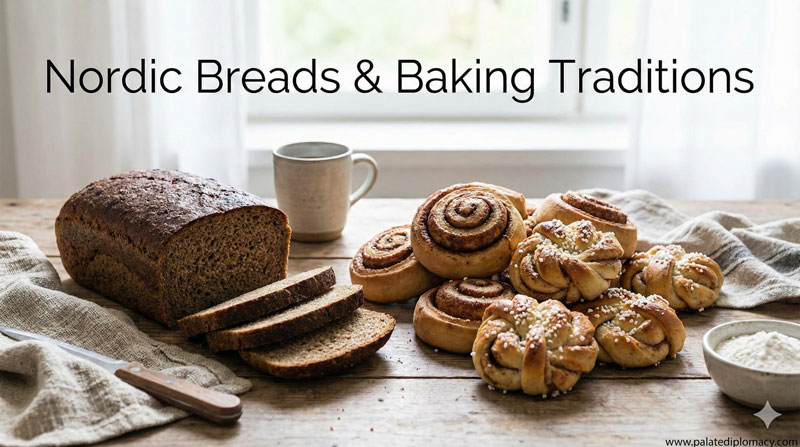
The flavor profile centers on cardamom’s bright, citrusy warmth. That spice elevates the dough without overpowering it, giving a fragrance that lingers pleasantly after the first bite. The dough itself is enriched with milk, butter, and sometimes eggs, which yield a tender crumb and a delicate richness. The filling often blends ground cardamom with a touch of sugar, creating small pockets of aromatic sweetness when the roll is sliced or bitten. Some versions feature a light glaze or pearl sugar that glints on the surface, adding a subtle crunch and a refreshing contrast to the soft interior.
Texture is the hallmark. A well-made cardamom bun feels soft yet resilient, moist but not heavy. The outer crust is gentle, inviting the aroma to unfold as you break the bun apart. The interplay of airiness and substance matters, because each bite should reveal careful kneading, patient proofing, and careful timing. In many kitchens, bakers test the dough’s feel and the dimples of the glaze with a practiced hand. The result is a pastry that communicates care and skill as surely as any spoken word.
Culinary craft shines in the small choices that bakers make. The grind of the cardamom, the sweetness level, and the glaze’s glaze-thin sheen all contribute to a signature experience. Regional accents appear in subtle ways: a bit more spice here, a hint of vanilla there, or a glaze that glistens under bakery lights. These nuances remind us that cardamom buns are a canvas for local taste and technique, a delicious expression of a community’s palate.
Rituals of Enjoyment: Fika, Moments, and Social Ties
In many places, cardamom buns shine brightest during shared moments. The ritual around taking a break—often called fika in several Nordic regions—frames the bun as a companion to conversation, not just a dessert. People arrive with friends, colleagues, or family, pair the bun with coffee or tea, and savor the pause together. The pace is steady; conversations drift from plans for the day to memories of simpler times. The bun’s aroma fills the room, inviting slower breathing and a sense of ease.
The social virtue of the bun also appears in everyday kindness. A warm bun passed across a table becomes a small gesture of hospitality. A baker’s suggestion about the best coffee to accompany the bun can spark a moment of shared discovery. In markets and café counters, locals often exchange tips about the most flavorful batches or the best time of day to enjoy them fresh. These interactions reinforce a sense of belonging and mutual appreciation for the craft.
In family life, cardamom buns may appear at weekend gatherings, birthday mornings, or quiet evenings after a long day. They travel across generations, from a grandparent’s hands to a child’s. Each transfer carries a memory, a nod to tradition, and a promise of continuity. By embracing these rituals, you gain a richer sense of how food shapes social bonds and everyday happiness.
How to Seek and Savor Like a Local
To experience the bun as locals do, start with fresh, local bakeries or cafés known for their pastry program. Freshness matters: the aroma should announce the bun before you see it. A soft, springy crumb with a gentle sheen usually signals quality. If a glaze or topping catches your eye, observe How It complements the pastry without overpowering it. The best buns invite you to pause, take a moment to inhale the scent, and then enjoy a mindful bite.
When you order, consider pairing with a strong, clean coffee or a simple tea. The beverage should balance sweetness and spice, allowing cardamom’s brightness to come forward. If you share with friends, take small portions and appreciate the textures in each bite. Allow the warmth of the pastry to blend with the conversation, not overwhelm it. a Local practice is to savor the bun slowly, letting the flavors unfold as you listen and respond to those nearby.
If you are baking at home or visiting a café with a rotating menu, try different versions. Some buns reveal more cardamom in the aroma, while others emphasize a sugar glaze or a light icing. Note how the spice interacts with sweetness and dairy. This exploration helps you understand regional preferences and the artistry behind the pastry. It also deepens your respect for the inhabitants who nurture the craft day after day.
Sourcing, Freshness, and choosing the right moment
Seek buns that are freshly made, ideally within the same day. In many places, you can tell by the soft crackle of the crust on the surface and the gentle warmth when you hold the bun. If you see a glaze that glimmers softly, you are likely looking at a well-made version. Avoid buns that feel overly dense or overly dry, as they may have missed the balance that distinguishes a great cardamom bun.
In markets, bakeries, and cafés, you will often notice a small ritual: the display of warm pastries near the counter, the careful wrapping of a fresh batch, and the quick, respectful service that welcomes a guest. Observing these moments offers a window into the care and pride that go into making the bun. Choosing with intention supports the bakers and keeps the tradition lively for others to enjoy.
Pairings, Variations, and Seasonal Notes
Cardamom buns harmonize with many beverages and accompaniments. A simple cup of black coffee, a light tea, or a cold glass of milk each creates a distinct balance with the spice and sweetness. In different seasons, bakers may introduce variations such as a citrus zest infusion, almond cream sides, or a delicate glaze that brightens with the morning light. These twists honor regional tastes while preserving the core identity of the bun: a fragrant, comforting pastry designed for sharing.
Seasonal notes often bring small changes. In cooler months, a touch more spice can warm the senses, while in brighter seasons, a lighter glaze or a citrus-forward note can lift the overall profile. Each variation tells a story about the moment in which it is enjoyed, reinforcing the idea that cardamom buns are a living tradition, adaptable and enduring.
A Friendly Invitation to Try and Share
If you are new to this pastry, approach it with curiosity and gratitude. Offer a bun to a friend, start a conversation with a baker, or simply take a quiet moment to observe how others savor their first bite. You will likely notice the same sense of delight that draws people back to the pastry again and again.
In embracing cardamom buns, you join a long line of people who value craft, community, and careful tasting. Let the aroma guide you toward the social moment it accompanies. With each bite, celebrate the beauty of a pastry that has earned its place in everyday life through warmth, balance, and grace. Enjoy the journey, and let the bun be your small, welcoming invitation to pause, connect, and taste the world around you.