
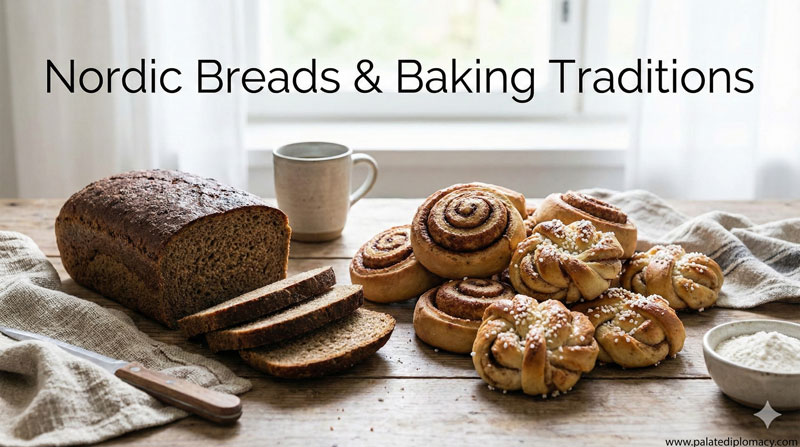
Why Cardamom Buns Is One of the Most Loved Nordic Dishes
Cardamom buns stand out in Nordic kitchens for their comforting aroma, gentle sweetness, and thoughtful craft. They are not just pastries; they are a warm invitation to slow down, share a moment, and savor the simple joy of good bread. The dish blends a yeasted dough with a bright spice and a tender filling, creating a balance that feels both timeless and modern. This is why cardamom buns have earned a special place in Nordic Food Culture.
Baking these buns the right way reveals their cultural value. Bakers start with a soft, enriched dough, coaxing it to rise with patience. Then they swirl in a fragrant cardamom-sugar mixture, roll the dough into loops or coils, and glaze the surfaces with milk or sugar. The process itself becomes a small ceremony—measured folds, careful rolling, and a moment of anticipation as the oven door closes. The result is a fragrant, golden bun that feels inviting and familiar. In Nordic homes and bakeries, this ritual is a thread that connects generations with a shared sense of comfort.
The Sensory Signature of Cardamom
The appeal begins with scent. Cardamom lends a citrusy, floral note that brightens the dough and awakens the palate. The aroma travels through the kitchen, signaling a time for enjoyment and connection. Next comes flavor: a gentle warmth that stays with you, not overpowering but clearly present. The spice harmonizes with butter, sugar, and yeast, creating A Taste that feels reassuring and refined.
Texture also plays a pivotal role. The dough tends to be tender and soft, with a slight elastic bite from the yeast. The filling adds a sweet contrast, often a delicate crunch if the sugar has caramelized a touch. A glaze or a light dusting of sugar on top gives a final sparkle. Together, these elements offer a layered experience: scent first, then flavor, then a comforting mouthfeel that lingers just long enough to invite a second bite.
A Gentle Craft: Dough, Filling, and Glaze
The craft of cardamom buns centers on balance and technique. Bakers begin with a yeasted dough that remains pliable, yet sturdy enough to hold its shape after rolling. Patience in proofing helps create a dough that is airy and soft. The filling is typically a mixture of ground cardamom, sugar, and butter, which melts into the dough as it bakes. Some families add vanilla or a hint of citrus zest to brighten the spice, while others keep the flavor lean and elegant.
Rolling the dough requires a light touch. A careful swirl of the filling must be spread evenly, then the dough is shaped into coils or circles. The shaping stage matters: a well-made bun holds its form, retaining the swirl and ensuring even distribution of spice in every bite. Baking finishes the transformation, turning pale dough into a warm, bronzed crust. A simple glaze or glaze with cream can finish the surface, enhancing shine and adding a touch of sweetness.
This dish rewards mindful technique. When bakers attend to fermentation, rolling, and heat, the result is consistent and comforting. Yet there is room for personal expression. Some prefer a stronger cardamom note; others favor a lighter touch. In all cases, the focus remains on quality ingredients and care in the kitchen.
A Moment for Connection: Coffee, Tea, and the Social Moment
Cardamom buns are often enjoyed alongside coffee or tea, tying them to everyday rituals of connection. In Nordic homes, a warm bun pairs with a steaming cup, and the pairing becomes a small daily ceremony. Sharing buns with family and friends offers a pause from the day, a chance to listen, reflect, and smile together.
This social value is not just about food. It is about the rhythm of daily life and the pleasure of hospitality. A quick batch baked on a quiet morning can lift the mood and invite conversation. A larger batch may serve as a welcome treat during gatherings, bringing people together around a single, shared aroma. In this sense, cardamom buns contribute to a culture that values warmth, gentleness, and thoughtful hosting.
Regional Voices: Nordic Variations
Across the Nordic region, bakers adapt cardamom buns to local tastes and traditions. In Sweden, the kardemummabulle is iconic—a round bun rolled with a fragrant cardamom filling and often finished with a light glaze. In Norway and Denmark, similar buns appear with subtle regional twists, featuring variations in spice balance, shape, and sweetness. The core idea remains: a soft, aromatic bun that carries the mark of cardamom and careful technique.
Shaping preferences also vary. Some kitchens favor classic circular buns, while others present elongated twists or braided forms. Filling richness may shift with different ratios of butter and sugar, yet the essential harmony between dough, spice, and sweetness stays constant. This adaptability shows how a single concept—cardamom in a sweet bun—travels gracefully through different Nordic cultures, inviting both shared standards and personal interpretation.
A Timeless Favorite: Everyday Comfort and Special Occasions
Cardamom buns have enduring appeal for both everyday moments and special occasions. They are a reliable treat for a weekend breakfast, a comforting after-school snack, or a simple gesture of hospitality. Their warmth fits a cozy home, a casual café, or a family kitchen at any hour of the day.
At celebrations, buns can appear as a refined addition to a dessert spread or as a cherished indulgence during coffee times. The aroma alone can signal a moment of pause and happiness. This versatility reinforces their status as a beloved Nordic dish: flexible, dependable, and deeply satisfying to many palates.
Conclusion
Cardamom buns exemplify how a well-crafted pastry can carry cultural value with quiet dignity. Through inviting aroma, balanced flavor, and thoughtful technique, the dish reflects Nordic culinary sensibilities—care, warmth, and a readiness to share. The buns connect bakers with diners, kitchens with tables, and moments of daily life with a sense of tradition. In every bite, they offer a small, resonant celebration of the beauty found in simple, well-made food.