
How Vegetable Roti Became Popular Across The Caribbean
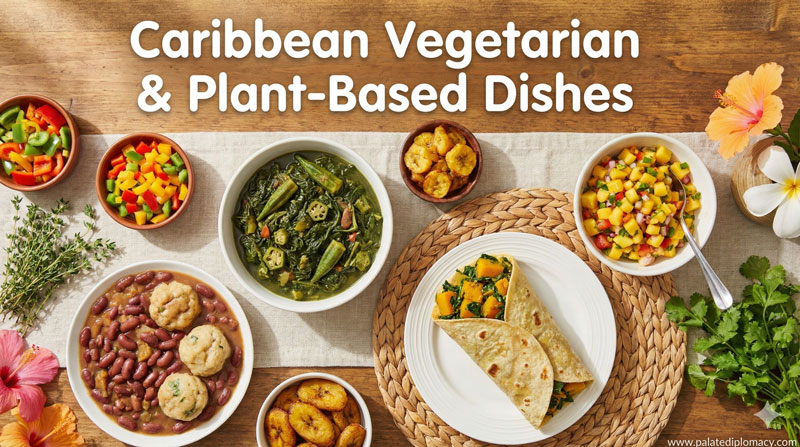
Vegetable roti has a bright presence in Caribbean kitchens. It is a soft flatbread that cradles a warm, colorful mix of vegetables and spices. The dish travels from home to market stalls with ease, inviting everyone to taste a harmony of textures and flavors. This post explores its cultural value and culinary significance across the region.
A Fresh Look at Vegetable Roti
Vegetable roti is more than food. It embodies everyday warmth and shared meals. Cooks prepare a simple dough, roll it into discs, and cook it on a hot griddle. Then they fill or wrap the bread with a curry of vegetables. The result is a meal that feels friendly and approachable, yet carries depth in aroma and taste. The balance of soft bread, bright vegetables, and fragrant spices makes each bite inviting.
The Colorful Filling: Veggies and Spices
The filling sings with color and variety. Common vegetables include potatoes, carrots, peas, bell peppers, and leafy greens like spinach. Seasoning blends a gentle curry, cumin, coriander, turmeric, garlic, and onion. Some kitchens add coconut milk for richness. The vegetables soften into a tender medley while still keeping their individuality. The spices wake the palate and give depth without overpowering the natural sweetness of the produce.
From Home Kitchens to Market Stalls
Vegetable roti travels well from family kitchens to bustling market stalls. Home cooks craft dough by hand, then roll and cook it on a hot pan or griddle. Vendors in markets and street carts offer roti sliced or wrapped, ready to be enjoyed on the go. The dish lends itself to a quick lunch, a comforting dinner, or a festive treat shared with friends. Its approachable nature invites people to slow down, taste, and savor.
Regional Variations Across the Caribbean
Across islands, roti adapts to local tastes. In some places, aloo roti centers on potato curry, while channa roti features chickpeas in a fragrant sauce. Other versions fold in pumpkin, spinach, or callaloo for a vibrant green bite. The spice level and aroma shift with regional preferences, yet the core idea remains the same: a soft bread that carries a bright vegetable curry. These variations highlight how a single concept can bloom into many regional expressions, each with its own charm.
A Dish for Sharing: Social and Culinary Significance
Vegetable roti thrives in gatherings. Families prepare it for busy weeknights, weekend celebrations, and casual get-togethers. The aroma rises as bread crisps on the griddle and vegetables simmer in spice. Roti invites conversation, collaboration, and memory-making around the table. Its presence in markets and homes alike marks a shared appreciation for fresh vegetables, balanced flavors, and the simple joy of eating together.
Pairings, Serving, and Flavor Notes
Serve roti warm, with a bright chutney or pepper sauce on the side for an extra spark. A tangy tamarind chutney or a fruity mango chutney complements the curry notes beautifully. Some enjoy a dollop of yogurt or a light raita to add cool contrast. Cut the roti into portions to make it easy to pass around and share. The result is a satisfying plate that pairs well with a fresh salad or a bowl of hot soup on cooler days.
Preserving the Craft for Tomorrow
To keep this dish vibrant, focus on fresh vegetables and balanced spices. Practice helps roti dough become tender and pliable. Small, thoughtful adjustments in fillings can reflect seasonal produce and regional preferences. Sharing tips and mild spice levels keeps the dish welcoming to new tasters while honoring its comforting roots.
Vegetable roti stands as a bright thread in Caribbean Food Culture. It blends everyday practicality with expressive flavor, creating a dish that is easy to love and hard to forget. Its journey across the region celebrates simplicity, craft, and the joy of gathering around good food.