
Introduction
How Caribbean Fusion Bowls Reflects Caribbean Food Culture. This dish blends bright flavors, warm textures, and a sense of place that many cooks in the region treasure. The bowls invite curiosity and celebrate everyday cooking. They show how simple ingredients can come together in a harmonious, inviting feast. This post highlights the cultural value and culinary significance of Caribbean fusion bowls, focusing on how they taste, look, and feel to eat.
A Sense of Place in Every Bowl
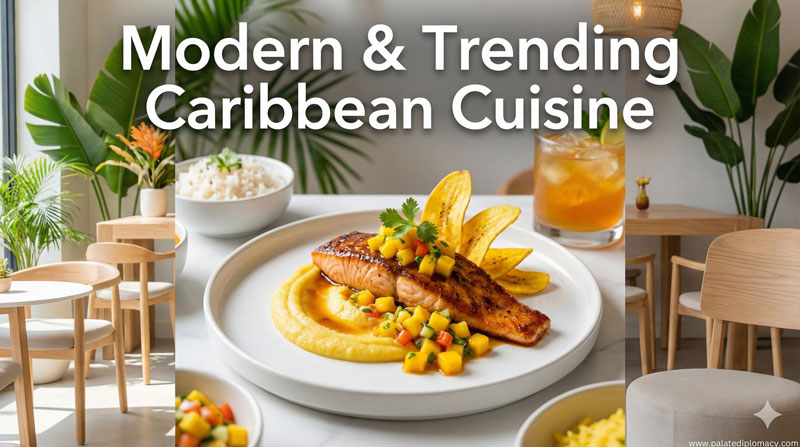
Caribbean fusion bowls are built around freshness. They lean on local produce, sea treasures, and tropical fruits. The result is a meal that feels both familiar and exciting. The colors tell a story: green avocado, red peppers, golden plantains, and white coconut rice. Each shade mirrors the region’s natural bounty. Eating these bowls often feels like a quick tour of a colorful market, a shared moment with friends, and a celebration of daily life.
Core Flavors and Their Meanings
Bold citrus, fragrant herbs, and gentle heat define the core flavors. Lime and mango bring brightness. Thyme, cilantro, and scallion offer herbal lifts. A touch of heat from peppers or a jerk-inspired glaze carries warmth without overpowering the dish. The balance of sweet, salty, sour, and spicy reflects a culinary philosophy: food should wake the senses, invite conversation, and leave a clean, energizing finish.
Ingredients as Cultural Signals
Each component in a Caribbean fusion bowl carries meaning. Rice or quinoa base provides substance and texture. Beans or lentils contribute heartiness and fiber. Plantains, sweet or fried, give a comforting, familiar sweetness. Grilled fish, shrimp, or chicken offers protein and a smoky note. Fresh salsa or pickled elements introduce zing and contrast. Dishes like these honor a habit of using what’s available, making every bowl a practical expression of home cooking.
Techniques that Tell a Story
The methods behind Caribbean fusion bowls are accessible and expressive. Grilling or pan-searing adds a caramelized crust and depth of flavor. Steaming or parboiling softens grains to a tender bite. Slicing fruits and vegetables thinly creates clean textures. Gentle marinating can infuse meat with bright aromatics while keeping the dish light. Quick pickles bring brightness without heaviness. These techniques reveal how cooks balance time, flavor, and presentation.
The Joy of Sharing in Bowls
Bowls are inherently social. They suit solo meals, family dinners, and casual gatherings. When a bowl is shared, it becomes a bridge between flavors and people. Guests can customize toppings, adjust heat, and mix ingredients to suit their tastes. The act of assembling bowls at a table or counter encourages conversation about food, preferences, and memories. This communal aspect is a quiet but powerful thread in Caribbean food culture.
Fusion as a Culinary Philosophy
Fusion bowls embody a spirit of creativity and adaptability. They respect traditional foundations while inviting new ideas. A bowl might feature a classic jerk marinade alongside a bright avocado salsa or coconut rice with a quinoa base. This flexibility mirrors everyday cooking, where cooks adjust ingredients to seasons, markets, and moods. The result is a versatile dish that stays rooted in local flavors while inviting personal interpretation.
Sourcing and Sustainability
Responsibly sourced ingredients strengthen the dish’s cultural value. Local farmers, fishermen, and markets provide the freshest elements. Seasonal produce supports vibrant flavors and reduces waste. When possible, choosing sustainable proteins and locally grown greens helps the meal remain connected to the region’s ecosystems. This mindful approach reinforces the idea that good cooking respects the land and its people.
Presentation and Sensory Delight
Caribbean fusion bowls are inviting to the eyes and the palate. The arrangement of colorful layers, the glisten of a lime wedge, and the scent of fresh herbs all contribute to the experience. A well-composed bowl offers a harmony of soft grains, crisp vegetables, and tender proteins. The textures—from creamy avocado to chewy plantain and fluffy rice—create a satisfying mouthfeel. Presentation matters because it invites the eater to savor The Story before tasting it.
A Culinary Dialogue Across the Region
These bowls echo the region’s culinary conversations. They bring together coastal seafood flavors with inland fruit sweetness and garden herbs. This dialogue reflects everyday cooking, where cooks blend influences to suit local tastes. The result is a dish that feels both playful and respectful, a conversation you can taste with every bite.
Cooking for All Occasions
Caribbean fusion bowls suit many events. A quick weeknight dinner becomes special with bright toppings. A picnic or potluck gains a colorful, balanced option that travels well. In markets and food stalls, bowls draw attention with aroma and color, inviting new friends to try something tasty. Their versatility makes them a staple for cooks who love flavor, balance, and a sense of hospitality.
The Cultural Value in Everyday Meals
At its heart, the dish honors care, craft, and community. It rewards thoughtful preparation—choosing fresh ingredients, balancing flavors, and presenting with care. By embracing a variety of textures and tastes, it helps people connect with food on a sensory level. The bowl becomes more than sustenance; it is a small celebration of Caribbean cooking.
Conclusion
Caribbean fusion bowls reflect Caribbean food culture through flavor, technique, and shared experience. They celebrate local ingredients, approachable methods, and a welcoming spirit. The bowls invite cooks and eaters to enjoy a dish that is vibrant, nourishing, and full of character. In every bite, you taste hospitality, creativity, and the joy of food that brings people together.