
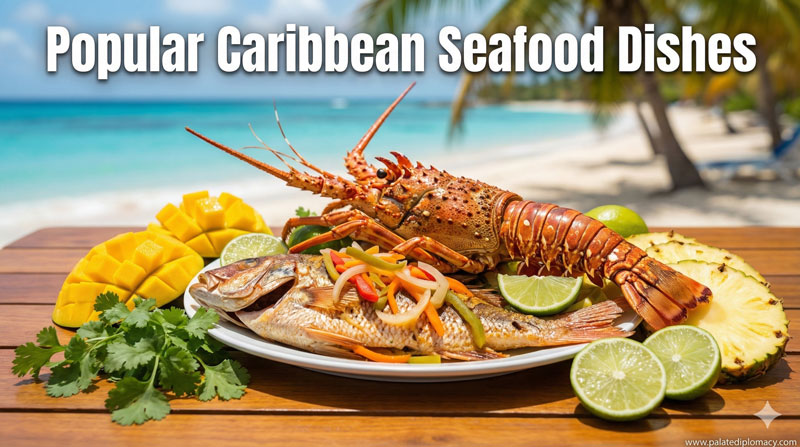
A Celebration of Flavor: Grilled Lobster in the Caribbean
Grilled lobster stands at the Heart of Caribbean cooking. It captivates with bright citrus, fragrant herbs, and a kiss of smoke. The dish travels from market stalls to family kitchens with ease. In every island and fishing village, it becomes a centerpiece for gatherings. Its appeal rests in both flavor and the shared joy of the grill.
Why it matters culturally
This dish represents hospitality and regional pride. Families pass down techniques and tips from season to season. The preparation becomes a ritual that welcomes neighbors and visitors alike. The aroma travels through yards and beaches, inviting conversation and connection. In short, grilled lobster is more than a meal; it is a cultural handshake that says “you belong here.”
The craft: selecting, preparing, and presenting
Quality begins with the lobster itself. Fresh, live lobsters deliver the juiciest meat and the best flavor. Chefs choose lobsters with firm shells and bright eyes, and they handle them with care. The prep is simple, yet precise: clean the meat, pat dry, and season thoughtfully. A classic approach uses butter, lime, garlic, and herbs. The goal is balance—bright acidity to lift the sweetness of the seafood, and a gentle smokiness that rounds the dish. Presentation matters too. Split shells or whole lobster halves showcase the white meat, glistening with glaze and herbs. The visual appeal reinforces the sense of occasion.
The technique that defines the dish
Grilling is essential. High heat creates a quick sear, locking in moisture. Then, indirect heat or a cooler part of the grill finishes the process, preserving tenderness. Basting with herb butter or a citrus glaze adds depth and keeps the meat succulent. Timing is key: overcook and the meat becomes tough; undercook and it loses its charm. The smoke from charcoal or wood chips adds a gentle, aromatic layer. This combination—fire, fat, citrus, and herb—gives grilled lobster its signature personality and keeps guests coming back for bites.
Regional flavors and variations across the Caribbean
Caribbean cooks adapt the dish to their own favorite herbs and spices. In some places, lime and parsley lead the way, bright and clean. In others, butter with garlic and a hint of hot pepper adds warmth and zing. Coconut milk can appear in a glaze, lending a creamy softness that contrasts with the crisp exterior. A few islands favor a touch of thyme, some peppercorns, or a splash of fruity rum for depth. Across the region, you’ll hear different utterances of joy with each bite, yet the core idea remains the same: let the lobster shine, then invite it to mingle with local flavors. This variety highlights a shared method and a shared love for seafood prepared with care.
Social moments around the grill
Lobster on the grill often means togetherness. Friends gather near the flame, trading tips and stories. Children watch the sizzling meat with wide eyes, learning the rhythm of the grill. A shared platter appears, and everyone takes a portion to savor. Toasts may rise, followed by laughter. The act of serving itself reinforces social bonds and creates lasting memories. In coastal towns and inland markets alike, these moments celebrate craft, community, and the joy of good food shared well.
A sensory journey: aroma, texture, and finish
As the butter melts and herbs perfume the air, anticipation grows. The scent of citrus and smoke invites appetite. The first bite reveals a tender interior, lightly salted, with a pleasing contrast between the fragile meat and the crisp outer edge. The finish lingers with a hint of sea breeze and warmth from the spice blend. This sensory balance makes grilled lobster memorable and satisfying, year after year.
Pairings that elevate the dish
Pairings reinforce the dish’s bright profile. A crisp white wine or a cold beer helps cleanse the palate between bites. A lime-forward salsa or a fresh herb drizzle amplifies brightness. For non-alcohol options, a sparkling citrus soda or a chilled mineral water with a squeeze of lime works beautifully. Side dishes like grilled corn, plantains, or a simple green salad provide texture and balance. Together, these choices create a complete dining experience that respects the lobster’s delicate sweetness while lifting it with vibrant accents.
Sustainability and respect for the sea
Sustainable sourcing matters to cooks and diners alike. Chefs and markets seek lobster from responsible fisheries, ensuring a steady, healthy supply for future seasons. Proper handling and humane treatment during preparation reflect care and respect for the ocean’s gifts. Cooking with awareness adds to the dish’s beauty and integrity. By choosing sustainably caught lobster, diners support a healthy marine environment and confident flavors for years to come.
A timeless ritual at kitchens and beaches
Across homes and seaside eateries, the ritual persists. Fire, friends, and a beautifully prepared lobster create a sense of place. The dish anchors celebrations, weekend gatherings, and quiet evenings by the water. It carries a calm confidence that comes from skilled cooking and a love of shared meals. Each plate tells a story of place, season, and community, inviting listeners to linger and savor.
The enduring appeal
Grilled lobster remains one of The Caribbean’s Most Loved dishes because it blends technique with tradition. The flavors are clean and bright, yet deeply comforting. The method respects the lobster’s natural sweetness while adding a gentle complexity through spice and smoke. The social ritual around the grill reinforces connection and generosity. In every bite, the dish reveals a culture that honors the sea, welcomes guests, and values craft. That is the essence and enduring appeal of grilled lobster in the Caribbean.