
Why Grilled Lobster Is One of the Caribbean’s Most Loved Dishes
The scent of grilled lobster fills海line streets and shorelines with warmth and anticipation. This dish sits at the heart of Caribbean dining because it marries the sea’s gift with fire, flame, and shared laughter. It is not merely sust a meal; it is a celebration of place, craft, and family. When you bite into tender lobster lifted from the grill, you taste a culture that loves community, bright coastal flavors, and simple, bright ingredients.
A Coastwide Treasure: The Sea and the Market
Lobster is prized across the Caribbean for its sweet, firm meat and its generous size. Local boats bring their catch to bustling markets, where vendors display shells like bright trophies. Buyers choose based on color, weight, and the telltale scent of freshness. This direct line—from boat to grill—adds a living rhythm to the dish. The lobster becomes part of a larger coastal story: mornings on the pier, market chatter, and the slow, deliberate pace of outdoor cooking. This is not a solitary meal. It is a social ritual that travels from market to beach or backyard, gathering neighbors and visitors along the way.
Craft and Technique: How Grilled Lobster Becomes a Carved-Love Dish
Grilling transforms lobster in an almost alchemical way. The direct heat seals in juices while imparting a smoky, caramelized crust. The technique is simple, but the results depend on care. Chefs and home cooks alike watch the flame, turning shells to keep cooking even and gentle. Butter, herbs, and citrus brighten the meat without hiding its natural sweetness.
In practice, cooks often brush the meat with a lively herb butter. Garlic, lime, and a touch of chili or pepper bring a clean, bright bite that cuts through the natural richness of the lobster. A dusting of sea salt, a squeeze of lemon or lime, and a final brush of fresh herbs—these little steps ride on the palate as a chorus of flavors. Some kitchens fit a Caribbean twist with pimento, thyme, or scallion. Others lean toward a coconut-lime glaze or a peppery citrus glaze. The result is always vivid, always fresh, and almost always shared.
Regional Voices: A Caribbean Palette
Across the islands, grilled lobster wears a signature badge of local flavor. In Jamaica, you might find a lively herb butter with scallions and thyme, kissed by a hint of pepper sauce. In Barbados, a bright citrus glaze and a sprinkle of paprika elevate the natural sweetness. In Antigua and Barbuda, meals often experiment with Coconut Milk in the sauce or a touch of island spice that echoes the broader island cooking traditions. In the Bahamas, grill cooks may lean into simpler finishes that highlight the lobster itself, paired with tangy sides and a squeeze of lime. Each island offers a distinct, welcomed variation, yet all share the same core idea: lobster on the grill is a communal, celebratory dish that honors the sea and the fire together.
The Sizzle of Community: Dining as a Shared Experience
The act of grilling lobster invites togetherness. Friends and family gather around the grill, passing sauces, flipping shells, and telling stories. Children watch the flames with wide eyes as the aroma grows stronger. In many coastal communities, this scene plays out on beaches, in backyards, or at road-side stalls. It is a social event as much as a meal—an occasion to slow down, savor, and connect. The dish becomes a bridge between generations, with older cooks passing down tips on timing and carving, and younger cooks adding modern touches and new flavors. In this way, grilled lobster serves as a living thread inside the Food Culture of the Caribbean.
Plate Presentations: A Feast for the Eyes
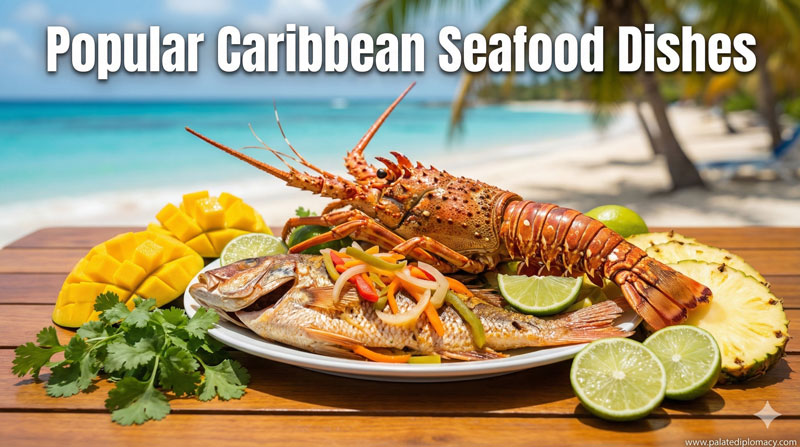
Caribbean diners take pride in presenting the dish with care. The lobster is often plated whole or halved, positioned to show the bright meat and the glistening shell. Side dishes mirror the region’s abundance: sweet plantains or ripe bananas, fluffy rice and peas, grilled corn on the cob, or a crisp garden salad. A squeeze of lime over the meat brightens the plate and the palate. Color matters, and the vibrant reds, greens, and golds of the sides make the meal feel Like a festival. The final touch is a moment of sharing—passing plates, offering seconds, and raising glasses to good company. This is how the dish becomes a lasting memory rather than a single bite.
Pairings and Complements: What Elevates the Experience
To pair well with grilled lobster, chefs lean on fresh, local produce. Pickled vegetables add tang, while a mango or citrus salsa offers a tropical brightness. Starches like fried plantains, cassava, or coconut rice provide a comforting contrast to the lobster’s lean, sweet meat. Cold coconut water, a light beer, or a rum-based drink can accompany the meal without overpowering the flavors. The aim is balance: texture, sweetness, acidity, and a touch of heat that aligns with the dish’s natural brightness. In this way, the meal becomes more than a plate; it becomes a multisensory celebration of Caribbean life.
Sustainability and Respect for the Sea
A growing part of the story behind grilled lobster is stewardship. Local markets and kitchens increasingly emphasize sustainable harvesting. This care ensures that future generations can enjoy the same bright, seasonal flavors. Respect for the sea means choosing lobster from reputable sources, cooking promptly, and avoiding waste. Leftover shells can be composted or repurposed for stock, while meat can become a cozy lunch the next day. When communities value the resource, the dish remains a long-lasting emblem of coastal abundance.
A Dish of Shared Joy: Why It Endures
Grilled lobster endures because it speaks to values that many Caribbean people share: a love of the sea, a passion for good food, and pleasure found in shared meals. It blends craftsmanship with spontaneity—the cook’s skill with the day’s catch, the flame’s discipline with the grill’s freedom. It is a dish that travels well in the sense that it can appear at a seaside cookout, a hotel restaurant near a harbor, or a family kitchen during a holiday. Most of all, it invites everyone to join in, to taste, to reflect, and to connect.
Final Thoughts: Embracing the Flavor and Culture
If you seek a dish that captures the Caribbean’s spirit, grilled lobster offers a clear, inviting answer. It honors the sea, the fire, and the people who bring it to life. It is a culinary symbol of warmth, hospitality, and shared pleasure. By savoring this dish, you participate in a coastal tradition that values freshness, balance, and communal joy. Whether you are savoring a simple beachside meal or a refined dinner, grilled lobster remains one of the Caribbean’s most loved dishes for good reasons: it centers flavor, craft, and culture in a single, shining plate.