
Introduction
Why Grilled Lobster Is One of The Caribbean’s Most Loved Dishes invites readers to taste more than a meal. It celebrates coastline life, craft, and shared meals. The dish speaks to coastal pride, fresh markets, and the rhythm of sunny evenings. Grilled lobster gathers friends and family around the fire. It invites conversation, laughter, and a slow savoring of butter, citrus, and sea breeze. This post explores its cultural value and culinary significance, from the grill to the table.
The Craft of Grilling Lobster
The heart of the dish lives in technique. Chefs and home cooks start with fresh spiny lobster, lightly salted and handled with care. A hot grill sears the shell, locking in sweetness and moisture. Butter, garlic, herbs, and citrus are brushed on, creating a glossy glaze that permeates the meat. The process requires balance: enough heat to kiss the meat, but gentle enough to keep it tender. The scent of sizzling butter and citrus builds anticipation. Each flip is a small ritual, a sign that the meal is about to connect people rather than simply fill stomachs.
Flavor and Techniques
Caribbean grilled lobster shines when simple flavors meet the sweetness of the meat. Lime or sour orange juice cuts through richness, while thyme, parsley, and a pinch of pimento add depth. Some cooks finish with a splash of local hot pepper sauce for a bright lift. The result is a clean, vibrant taste that respects the lobster’s natural sweetness. Skill lies in timing: the meat becomes firm yet juicy, never chewy. A touch of smoke from the grill infuses a subtle complexity, echoing sea air and outdoor gatherings. The technique is accessible yet refined, inviting cooks to bring precision and joy to the flame.
Regional Variations in the Caribbean
Across the Caribbean, grilled lobster appears with regional personality. In Jamaica, you might taste a jerk-style glaze that balances heat with aromatic herbs without overpowering the lobster. In Barbados, a citrus-herb butter can carry a hint of lime and fresh thyme. The Bahamas often pairs the dish with plantains and corn, letting sweet and savory notes mingle. In Trinidad and Tobago, a breezy, peppery finish can join a breezy sea breeze. Each island or coast adds its own local greens, herbs, and sauces, yet the heart remains the same: a shared appreciation for fresh catch, careful grilling, and communal dining.
Social and Cultural Significance
Grilled lobster is more than dinner; it is a social event. Markets hum with anticipation as fishermen bring in the catch. Families gather at backyards or seaside grills, trading stories as the meat cooks. The dish often anchors celebrations, from weekend gatherings to special occasions. It fosters connection, inviting guests to participate in prep, basting, and tasting. The act of sharing a hot, smoky lobster reinforces hospitality and warmth. It is a symbol of skill passed down through generations, a living dialogue between recipe, flame, and memory.
Sustainability and Sourcing
Local, sustainable sourcing matters. The best versions rely on responsibly harvested spiny lobsters and careful handling. When possible, cooks choose seasonal, abundant catches and respect local guidelines. This approach protects the ocean’s balance and supports nearby communities that depend on fishing for their livelihoods. The result is not only delicious but also mindful and enduring. Sourcing with care elevates the dish’s meaning, turning a meal into a pledge to the sea’s vitality.
Serving Traditions and Pairings
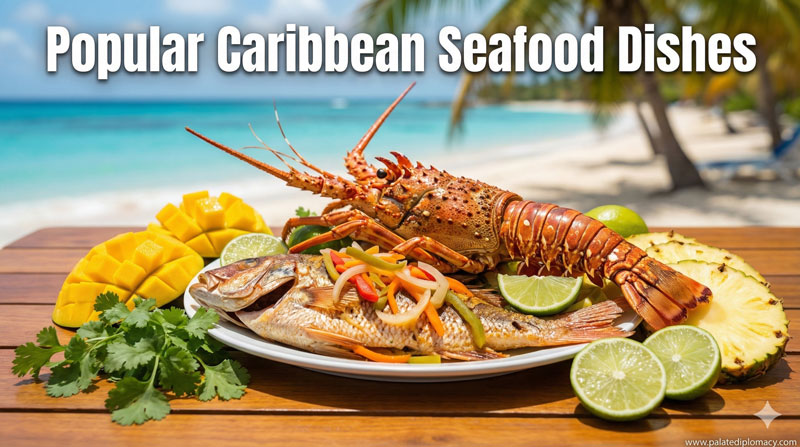
Serving suggestions honor the flavors of the coast. A simple platter with the lobster halves, lemon wedges, and herb butter invites guests to dip and drizzle. Side dishes like coconut rice, corn on the cob, fried plantains, or a bright mango salsa complement the seafood’s sweetness. A light green salad or a side of grilled vegetables can balance richness. Sauces are optional, but citrusy dips or a peppery kick can accent the spice. The presentation matters, too: a clean plate, a warm smile, and a shared moment make the meal memorable.
How to Enjoy Grilled Lobster at Home
To recreate the experience, start with fresh lobster and a hot grill. Prepare a simple butter-garlic-herb baste with lime zest. Grill the meat until it just firms, then finish with a final brush of butter and a squeeze of citrus. Serve immediately with your chosen sides. Invite friends to join the process, turning cooking into a shared ritual. The Caribbean’s charm lies in the joy of participation and the delight of tasting together.
Conclusion
Grilled lobster embodies the Caribbean’s culinary spirit: fresh, skillfully prepared, and deeply social. Its beauty lies in simplicity balanced with bold flavor. The dish honors the sea, the grill, and the people who bring it to life day after day. By celebrating its craft, flavors, and communal nature, we celebrate a cherished piece of the region’s Food Culture.