
Introduction
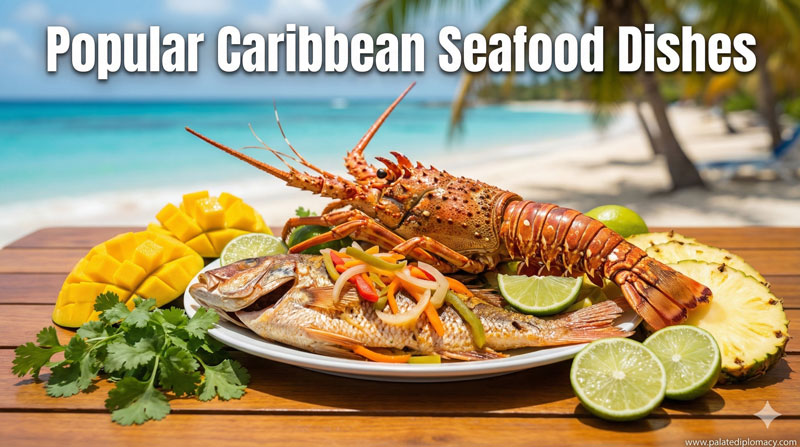
Across the Caribbean, grilled lobster has earned a cherished place in everyday dining and festive gatherings. This dish blends ocean freshness with fire and aroma, creating a sensory memory of sea breeze, citrus, and herbs. The Story of how grilled lobster became popular here is a tale of shared plates, skillful technique, and the rising love for bright, simple flavors. The dish stands out for its balance of sweetness from the lobster, a kiss of smoky char from the grill, and lively citrus notes that wake the palate. It invites people to slow down, gather, and celebrate the beauty of local seafood prepared with care.
The Grill as the Stage
The grill acts as the stage where tradition and technique meet. Charcoal, wood, or gas grills heat the lobster with direct and indirect flame, creating a glossy shell and a tender interior. Smoke from the grill adds depth, while butter or oil helps carry flavors across the meat. In markets, seaside shacks, and family patios, the fire brings people together. The crackle of the grill and the aroma of garlic and citrus signal a moment of sharing. This communal energy is part of the dish’s cultural value, turning a simple meal into a memory that families pass down through generations.
Regional Flavor Profiles Across the Caribbean
Caribbean grilled lobster shows delightful regional variety. In some coastal areas, lime and garlic are the core, brightening the meat with a lively zing. Other places blend thyme, parsley, and a touch of pimento or allspice to deepen the aroma. A few chefs add a hint of coconut milk or a light paprika rub to echo nearby harvests and sea flavors. Spices are used with restraint to let the lobster’s sweetness shine, then layered with smoke for a comforting finish. In Jamaica, you might find a peppery kick from fresh peppers, while in Barbados and Antigua, citrus-forward marinades emphasize freshness without overpowering the lobster. Across the Bahamas, Cuba, Puerto Rico, and the wider archipelago, cooks tailor marinades to complement local herbs and seasonal produce. The result is a mosaic of flavors that feel distinctly Caribbean yet universally appealing.
Techniques and Tools for Perfect Grilled Lobster
Technique matters as much as the lobster itself. Start with fresh, high-quality lobsters for best texture. Split the lobster lengthwise to expose the meat, then season lightly to let the shell protect the delicate flesh. Grill on medium-high heat to develop a quick sear, then finish over gentler heat to keep the meat juicy. Butter basting during the cook adds richness and a glossy finish. Some cooks pre-cook slightly to ensure evenness, then finish on the grill for color. A squeeze of citrus at the end brightens the dish and invites a lively bite. Skewers can help handle the lobster evenly, especially on busy grills. Above all, balance is key: you want a gentle smoke, clear citrus, and a soft, buttery finish without drying the meat.
Ingredients, Marinades, and Finishing Touches
The core ingredients are simple: fresh lobster, a good fat for basting, and bright aromatics. Butter, olive oil, garlic, lime or lemon juice, and fresh herbs anchor most preparations. A pinch of thyme or cilantro adds fragrance, while a hint of pepper or chili introduces warmth. Marinades are short and crisp, letting the lobster munch retain its sweetness. A finishing brush of herb butter or a light citrus glaze can elevate the dish just before serving. Native produce such as local herbs, sweet peppers, and ripe citrus deepen flavor without overpowering the lobster. The result is a clean, vibrant dish that honors the sea and the grill alike.
Social and Cultural Significance
Grilled lobster is more than a meal; it is a social ritual. Friends and family gather around the grill, share stories, and savor each bite together. This dish often appears at weekend cookouts, beach gatherings, and celebratory meals after a long day’s work. The act of cracking the shell, dipping the meat in butter, and savoring the smoky, citrusy notes becomes a shared experience. In many communities, cooks pass down tips for selecting lobster, preparing it, and timing the grill, keeping a living tradition alive. The dish also inspires home cooks and restaurant chefs to experiment with textures and flavors while remaining rooted in the warmth of Caribbean hospitality.
Festivals, Markets, and Everyday Celebrations
Festivals and markets celebrate seafood and coastal cooking, and grilled lobster often takes center stage. Vendors showcase live lobsters, quick trims, and fast grills, inviting people to taste as they learn. In restaurants, chefs present lobster in light, seasonal preparations that pair well with rice, plantains, or fresh salads. Everyday celebrations—family dinners, Sunday lunches, and seaside picnics—also honor the dish. In these moments, the lobster becomes a link between land and sea, a symbol of freshness, effort, and community care.
Pairings, Sides, and Serving Ideas
Serve grilled lobster with accompaniments that amplify brightness and texture. Rice and peas or coconut rice, fried plantains, or boiled yams provide comforting starches. A crisp cucumber salad or avocado-based sides offer cooling balance. For beverages, citrus-forward drinks, light beer, or a refreshing mocktail complement the richness of the lobster. A simple herb butter or a squeeze of lime completes the dish. These pairings underscore the dish’s versatility and its ability to shine in both casual and more formal settings.
Practical Tips for Home C cooks
If you’re recreating grilled lobster at Home, start with fresh lobster, ask your fishmonger for good quality seafood, and plan a feeding that fits your grill. Preheat the grill to medium-high, split the lobsters, and keep an eye on cooking times to avoid drying the meat. Baste with butter and garlic, then finish with a citrus touch. Use tongs for careful handling, and let the meat rest a minute before slicing. Keep the flavors light and bright to preserve the lobster’s natural sweetness. These tips help you enjoy a restaurant-like result in your own kitchen or backyard.
Conclusion: A Dish That Unites Flavor and Flame
Grilled lobster in the Caribbean captures a spirit of celebration and care. Its cultural value comes from how it brings people together, how it showcases local ingredients, and how it adapts to regional tastes with grace. The dish blends sea, fire, and freshness into a memorable experience that respects tradition while inviting new variations. As you savor the smoky, citrus-kissed lobster, you taste more than a meal—you taste a shared love for good food, good company, and the beauty of Caribbean cooking.