
Introduction
Discover the Bold Flavors of Rice and Peas invites readers into a kitchen where balance, aroma, and texture come together. This dish stands at the heart of many meals, celebrated for its comforting richness and its role in daily cooking. In this post, we explore the dish’s cultural value and culinary significance. You will discover how simple ingredients become a beloved tradition, how flavors tell a story, and why this dish endears itself to cooks and guests alike.
Flavor profile and approach
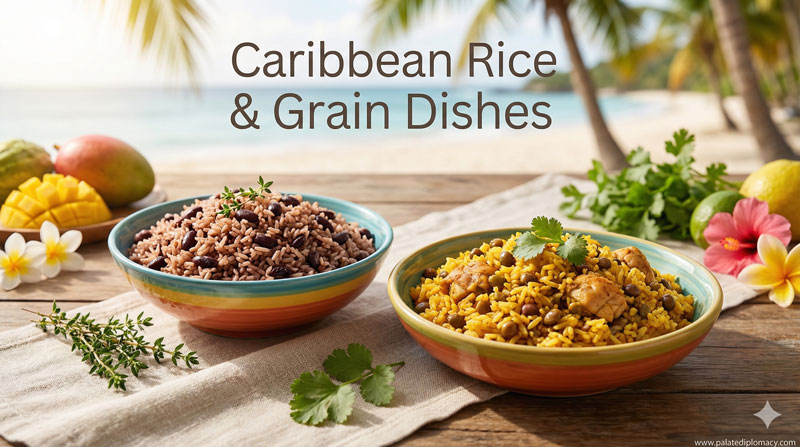
The dish centers on creamy coconut milk, fragrant herbs, and tender peas folded with fluffy rice. The aroma comes from thyme, scallions, garlic, and a hint of pepper. These elements create a bright, rounded flavor that feels both hearty and refined. The texture is soft yet distinct: each grain of rice holds a little bite, while the peas provide gentle contrast. The result is inviting, generous, and easy to share.
Core ingredients and what they mean
Rice and peas relies on a few reliable ingredients with a clear purpose:
– Rice: long-grain varieties are common, chosen for their light, separate grains.
– Peas: in many kitchens, pigeon peas or kidney beans stand in for the traditional “peas.” They add body and a gentle sweetness.
– Coconut milk: adds creaminess and a tropical nuance that rounds the dish beautifully.
– Aromatics: garlic, scallions, and thyme give depth and lift.
– Salt and pepper: sharpen the flavors and help every component shine.
These ingredients come together to create a dish that feels both everyday and special, making it a staple for many households.
Techniques that elevate the dish
Attention to technique elevates this dish without complicating it:
– Layering flavors early: sautéing aromatics first brings out their fragrance.
– Gentle simmer: a calm simmer lets the rice soak up coconut milk and stock evenly.
– Pea timing: adding peas toward the end preserves their color and bite.
– Resting briefly: letting the cooked rice steam a moment helps grains separate and stay fluffy.
Good technique makes each bite balanced and satisfying, reinforcing the dish’s culinary value.
Cultural significance in daily life
Rice and peas is a cornerstone of everyday meals. It appears in family dinners, weekend gatherings, and celebratory plates alike. The dish signals hospitality: a pot offering warmth and a sense of welcome to guests and neighbors. Its presence at the table helps create a shared experience, where conversations flow as freely as the steam rising from the pot. In this way, the dish becomes more than food; it becomes a moment of connection and comfort.
Regional variations and twists
Across the Caribbean, cooks adapt the dish to local tastes while keeping its essence intact:
– Some kitchens favor pigeon peas for a nuttier note, while others use kidney beans for a heartier texture.
– Coconut milk remains a constant, but the ratio with water or stock can shift, shaping the final creaminess.
– A touch of heat is common, with fresh peppers or a pinch of pepper sauce added for brightness.
– Herbs may vary by region, with thyme always present and scallions offering a crisp, fresh finish.
These variations demonstrate how a single dish can evolve while staying true to its core identity, much loved by many families and cooks.
Serving ideas and traditions
Rice and peas pairs beautifully with a wide range of dishes. It complements grilled meats, fried plantains, jerk-seasoned proteins, and rich stews. It also makes a satisfying standalone meal, especially when paired with a bright salad or pickled vegetables. The presentation is often simple yet inviting: a generous mound of rice and peas on the plate, with a sprinkle of fresh herbs on top and a squeeze of lime to brighten the flavors. The dish invites sharing and creates a natural rhythm for a meal.
Behind the scenes: aroma, texture, and memory
The sensory experience is a large part of the dish’s appeal. The creamy coconut aroma invites curiosity; the steam carries delicate herbal notes; the soft grain with a subtle bite invites careful tasting. These sensory cues help build memory, turning a recipe into a family favorite that appears at special occasions and ordinary days alike. In this way, Rice and Peas becomes a vessel for tradition, care, and culinary artistry.
Practical tips for home cooks
- Rinse rice lightly to remove excess starch, then cook with coconut milk and water to achieve a balanced liquid ratio.
- Use fresh thyme and scallions for brightness; add garlic early to release its fragrance.
- Taste and adjust salt toward the end to respect the natural flavors of beans and coconut.
- Let the dish rest a minute after cooking to enhance grain separation and texture.
- If you Like a gentle warmth, a small amount of finely chopped pepper can be folded in at the end.
The dish as a celebration of community
This dish celebrates how food brings people together. Its simple beauty—the warm aroma, the soft grains, the creamy finish—invites sharing and conversation. It supports a sense of belonging in everyday life and elevates a regular meal into a moment of welcome and gratitude. For many cooks, preparing Rice and Peas becomes a small ritual that honors family, friends, and the joy of cooking.
Conclusion
Discover the Bold Flavors of Rice and Peas offers more than sustenance; it presents a culinary story told through aroma, texture, and balance. Its cultural value lies in its adaptability, its warmth, and its role as a comforting centerpiece at the table. By embracing its flavors and techniques, you invite a dish that is both familiar and exciting. Try this approach at Home, savor the creamy coconut notes, and celebrate the dish’s place in the food culture with every thoughtful bite.