
What Makes Vegetable Roti Special?
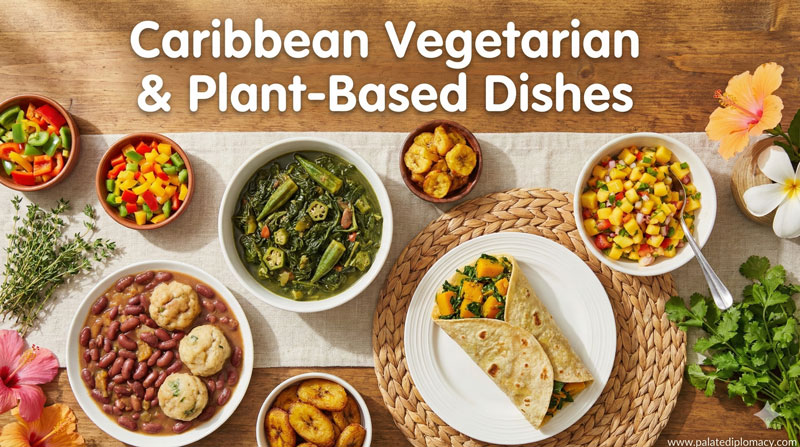
This post explores why Vegetable Roti Is One of the Caribbean’s Most Loved Dishes. At its heart, this dish pairs a soft, warm roti with a bright, seasoned filling of vegetables. The roti itself is a thin, flexible bread made from flour, water, oil, and a pinch of salt. The filling usually features potatoes, peas, carrots, and sometimes chickpeas, all married with curry spices. The result is a portable meal that feels comforting and fresh at the same time.
The beauty starts with the dough. It is easy to mix, but it rewards care. A smooth dough rests briefly, then is divided into small discs. Each disc is rolled to a thin circle. The pan or flat griddle heats hot and fast, giving the bread a handful of tiny blisters and a delicate aroma. The magic continues with the filling. Vegetables cook in a quick curry, tasting of turmeric, cumin, coriander, and a gentle heat. The spices wake the vegetables without overpowering them. When the roti is wrapped around the filling, the combination becomes a complete dish that travels well and satisfies.
The Craft of Making Roti
The craft here is about balance and timing. First, mix a soft dough and let it rest. Then roll it into rounds that are thin but sturdy. Next, cook the bread on a hot pan until lightly browned on both sides. The roti needs to be pliable, not tough, so it can hold the filling without tearing. Meanwhile, prepare the vegetable curry. Carrots, potatoes, peas, and peppers are common partners to curry spices. Simmer until vegetables are tender and the flavors mingle. Finally, combine the two with care. Place the filling in the center and fold the edges to seal. The wrap should be snug but not crowded. Each bite offers the warmth of the bread and the brightness of the vegetables.
This cycle—dough, roll, cook, fill, wrap—appears in homes, markets, and eateries across the Caribbean. It is a simple process, yet it invites cooks to adjust ingredients, textures, and spice levels. The roti becomes a canvas for personal taste. In many kitchens, family members pass the technique from one generation to the next, adding their own touches along the way.
Flavor and Texture
Texture first. The roti is soft and flexible, with a gentle chew. It acts like a blanket for the vegetables, keeping their juices close and delivering warmth with every bite. The filling contributes a burst of color and scent. Spices are layered thoughtfully: cumin’s earthiness, turmeric’s golden glow, coriander’s brightness, and a hint of chili for balance. Some cooks finish with a drizzle of coconut milk or a squeeze of lime to lift the flavors. The result is a harmonious mix of mild sweetness from vegetables and savory intrigue from the curry powder.
Flavor is also about aroma. The sizzling of onions, garlic, and curry leaves often fills the kitchen. The fragrance draws people closer and invites conversation. A good vegetable roti feels like a shared moment, a small ceremony of cooking that marks everyday life with care and joy.
Cultural Significance in Caribbean Kitchens
Vegetable Roti holds a warm, everyday place in Caribbean kitchens. It is a dish families turn to for lunch box meals, weekend gatherings, and quick weekday dinners. It travels well, making it a popular choice for picnics and casual outings. The roti’s appeal lies in its balance of nourishment and comfort. It is filling without being heavy, bright with vegetables, and humble in its presentation. The act of making roti can become a family event, a time to chat, plan the day, and share tips for shaping the dough or timing the curry.
In markets and street stalls, vegetable roti often appears as a reliable option. Vendors take pride in the precision of the dough, the evenness of the curry, and the neat fold of the wrap. The dish bridges generations and communities through a common love of good, honest food. It is celebrated for its versatility and its ability to showcase fresh vegetables at their best.
Regional Variations and Serving Traditions
Across the Caribbean, roti styles vary, yet the essence remains the same. In some regions, the roti skin is thin and tender, rolled to wrap the filling snugly. In others, the bread is a bit thicker and sturdier, designed for a heartier bite. Spices can be adjusted row by row, from milder curry powders to bolder blends that push the flavors forward. The vegetables inside may change with local harvests, with potatoes, carrots, peas, and peppers remaining staples, while adding plantains or sweet corn in some versions.
Serving is simple and satisfying. A fresh roti is often enjoyed with chutneys, such as mint or tamarind, and a cooling yogurt sauce or a tangy pickle. A side of stewed lentils or chickpeas can turn a meal into a more generous feast. The pairing highlights the dish’s versatility and its ability to mingle with many flavors you already love.
A Simple Guide to Enjoying Vegetable Roti
To savor Vegetable Roti, start with a warm wrap. Take a bite and notice how the bread yields to the filling. Then explore the layers of spice and vegetable flavor. If you have chutney or yogurt on hand, try a small dip to contrast the curry. For a fuller experience, pair the roti with a light lentil dish or a fresh salad that mirrors the vegetables in the filling. Enjoy the balance between soft bread and bright vegetables, and let the aroma guide your next bite.
Getting Started at Home
If you’d like to cook Vegetable Roti at Home, begin with a simple dough. Mix flour, a pinch of salt, water, and a touch of oil until smooth. Let it rest for a short while, then divide and roll into thin discs. Cook each disc on a hot pan until lightly browned. For the filling, sauté onions, garlic, and curry powder briefly. Add diced potatoes, carrots, and peas; cook until tender. Combine, wrap, and serve.
Vegetable Roti is more than a meal. It is a doorway to warmth, color, and the shared joy of cooking. Its cultural value is found in every bite: the care of the dough, the brightness of the vegetables, and the thoughtful balance of flavors. This dish reminds us that good food connects people, invites curiosity, and enriches daily life with flavor and heart.