
Why Vegetable Roti Is One of the Caribbean’s Most Loved Dishes
Vegetable roti lights up Caribbean kitchens with its bright colors, warm aromas, and inviting textures. It blends a soft, pillowy bread with a hearty vegetable filling. The dish is comforting, practical, and deeply satisfying to eat. Its appeal comes from clean flavors, careful technique, and a sense of shared moments around the table.
What Is Vegetable Roti?
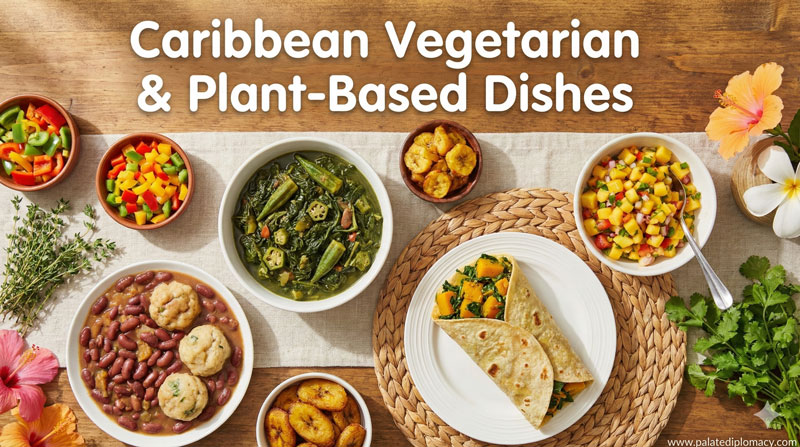
Vegetable roti is a folded flatbread filled with a savory mix of vegetables. The bread is thin, supple, and tender, made from flour, water, and a touch of oil. The filling often features potatoes, carrots, peas, spinach, and squash, simmered with onions, garlic, and a blend of spices. Coconut milk or tomato-based sauces may add richness and color. Each bite offers a gentle balance of spice, sweetness from vegetables, and the comforting softness of the bread.
The Art of the Roti
Crafting vegetable roti is a celebration of technique. The dough is kneaded until smooth, then rested to develop elasticity. It is rolled into round discs and cooked on a hot flat pan, creating a light blister on the surface. The filling is cooked separately, then tucked into or wrapped by the warm bread. The result is a neat, easy-to-hold package that holds its flavor well from plate to mouth. This balance between dough and filling is a hallmark of the dish and a reason for its everyday joy.
Flavor, Texture, and Color
Vegetable roti delights the senses in multiple ways. The bread provides a soft, chewy bite that contrasts with the crisp-tender vegetables. Aromatic onions, garlic, and spices perfume the filling, while tomatoes or coconut add depth and brightness. Colorful vegetables bring visual appeal, making the dish feel festive even on a weekday. Each component supports the others, creating a harmonious and memorable eating experience.
Cultural Value in Caribbean Kitchens
In Caribbean homes, vegetable roti is more than a meal—it is a signal of care and hospitality. Families prepare it for busy days, weekend gatherings, and special occasions. The dish invites sharing, as large roti rounds can feed many mouths and travel well for picnics or neighborhood events. Its versatility echoes the region’s sunshine and variety, inviting cooks to experiment with seasonal produce while preserving a familiar, comforting core.
Versatility for Everyday Meals
Vegetable roti adapts to many moments. A light lunch can feature a single roti with a crisp salad. For a heartier option, pair it with a tangy chutney or a cooling yogurt sauce. Leftover vegetables can be reimagined as filling for the next roti, turning simple ingredients into a fresh, nourishing meal. This flexibility makes the dish a dependable staple across generations.
Pairings and Places to Try
Classic accompaniments include chutneys, pickles, and refreshing yogurt sauces. A squeeze of lime or a dash of fresh herbs brightens the dish. In markets and home kitchens, you’ll often hear the sizzle of vegetables meeting fragrant spices, followed by the soft steam of roti resting on a plate. The beauty of vegetable roti lies in its ability to feel both rustic and refined, depending on the setting and the cook.
A Quick Guide to Making Vegetable Roti at Home
- Start with a soft, pliable dough and a relaxed resting period for easier rolling.
- Sauté vegetables with onions, garlic, and spices until just tender.
- Allow the filling to cool slightly to stay neatly inside the bread.
- Roll the dough evenly, fill, and seal before cooking on a hot pan.
- Finish with a light brush of oil and a final warm moment on the skillet.
Vegetable roti stands as a bright, inviting expression of Caribbean Food Culture. Its simple ingredients, thoughtful preparation, and generous spirit invite everyone to savor the season, celebrate home cooking, and share in a dish that speaks warmly to table manners, family tradition, and everyday delight.