
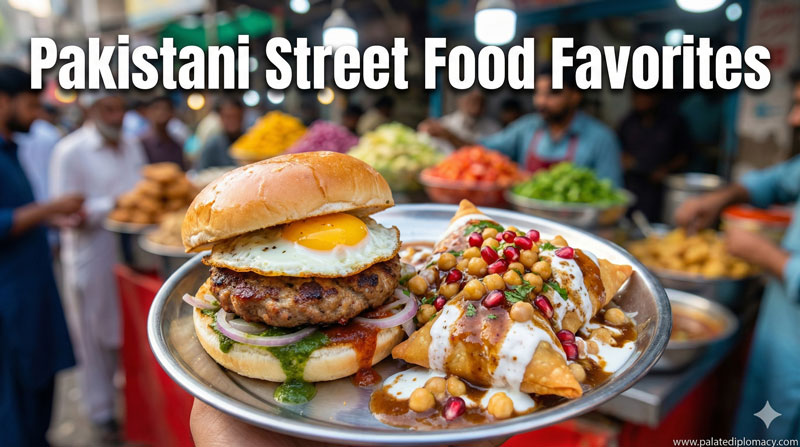
Chaat is more than a snack. It is a living voice of Pakistani Food Culture, a dish that speaks through color, texture, and warmth. This post explores how chaat carries culinary meaning and social value in everyday life, while showing the craft behind its bright, inviting flavors.
The Heartbeat of Flavor: What Makes Chaat Special
Chaat brings together a careful balance of elements that mirror everyday cooking in many Pakistani kitchens. A base of crisp crackers or fried dough meets soft, creamy yogurt. Tangy tamarind and green chutneys cut through with bright herbs. Chickpeas, potatoes, or sprouts add substance, while sev or fried noodles offer a final crackle. This combination celebrates contrast—cool and warm, smooth and crunchy, sweet and sour—all in one bite. The dish embodies how people in Pakistan approach flavor: lively, layered, and open to improvisation. Each street stall or home kitchen tailors chaat to what is fresh, affordable, and nearby, turning simple ingredients into something celebratory. The result is a dish that feels both comforting and exciting, a reflection of everyday generosity and curiosity about taste.
Texture as Language: Crunch, Cream, and Freshness
Texture plays a central role in chaat’s appeal. The crisp crusts, the soft potato chunks, and the silky yogurt work together like a conversation. The crunch signals freshness and care in assembly. Creaminess from yogurt soothes heat and ties Bold Flavors together. Fresh chopped onions, chopped cilantro, and mint leaves add brightness and aroma. This textural harmony mirrors how cooks in Pakistan balance sensations in daily meals: quick, practical, and satisfying. The result is a dish that invites you to slow down a moment, then dive in again with a new mix of bites. Texture is not just technique; it is a storytelling tool that communicates care, skill, and the joy of sharing.
A Palette That Reflects the Palate: Sweet, Sour, Salty, Spicy
Chaat sings with a balanced palate. The sour tang of tamarind, the sharp bite of chaat masala, the gentle salt of seasoned components, and the heat of chilies create a four-note harmony. This balance mirrors attitudes toward food in many communities: a willingness to explore bold contrasts, to find harmony in diversity, and to welcome a range of flavors at once. The sweet notes from tamarind or jaggery, when present, offer a soft counterpoint that keeps the flavors lively rather than overwhelming. In homes and on street corners, this dynamic invites people to taste, discuss, and adjust together, making each chaat a small shared experiment in flavor.
Hospitality in Practice: Sharing and Social Spaces
Chaat thrives where people gather: busy markets, family kitchens, and cheerful stalls. The act of preparing and sharing chaat is a social ritual as much as a culinary one. Vendors greet customers with smiles, call out their specialties, and offer quick tips for customization. Families bring bowls and spoons to gatherings, turning a simple snack into a moment of togetherness. This social dimension highlights a core value: food as a bridge that brings people close. In every bite, there is an invitation to connect—over a conversation about spice levels, a suggestion to try a new chutney, or a request for extra yogurt to mellow heat. Chaat, in this way, becomes a practice of generosity and communal joy.
Regional Threads: Variations Across Pakistan
Across cities and towns, chaat wears local accents. In Karachi, the hustle of sea-side markets can influence the use of tangy chutneys and crunchy elements. In Lahore, the kitchen may favor robust spices and generous yogurt for a richer bite. In Multan or Faisalabad, you might find slight changes in spice blends, herb notes, or the choice of crunchy toppings. Yet, the core idea stays the same: a portable, adaptable snack built from pantry staples and fresh produce. These regional threads reveal how a shared dish can harmonize different tastes and traditions while remaining recognizable as chaat. The dish acts as a culinary passport of sorts, inviting discovery while honoring local preferences.
The Craft Behind the Cup: Ingredients, Assembly, and Skill
The beauty of chaat lies in its simple tools and careful assembly. Common components—boiled potatoes, chickpeas, sev, yogurt, tamarind chutney, mint chutney, chopped onions, cilantro—are assembled quickly, then balanced by a skilled hand. A dash of chaat masala or a pinch of red chili can transform a plate in seconds. The vendor’s touch—how evenly the chutneys are distributed, how well the toppings are layered, how much heat is introduced—speaks to craft and pride. Family cooks and street vendors alike develop a knack for knowing when a chaat needs a bit more tang, a touch more creaminess, or a splash of fresh lemon juice. This attention to detail shows how deeply culture values practical skill, seasonal taste, and presentation that delights the eye as well as the palate.
Everyday Moments of Joy: Chaat in Life’s Small Celebrations
Chaat Shines in ordinary moments as well as festive ones. A quick snack between chores, a street-side treat after shopping, or a savory bite to share before a meal all become small celebrations when chaat is present. In these moments, the dish acts as a social glue, inviting conversation, laughter, and a shared sense of satisfaction. Its adaptability means it can accompany a light tea break or be part of a larger spread during a family gathering. In every setting, chaat offers a sense of welcome and warmth, underscoring the beauty of food as an everyday expression of care.
How to Experience Chaat: Savor and Respect the Craft
If you want to experience chaat, start with the basics: a plate that looks vibrant, smells fresh, and offers a gentle balance of heat and tang. Notice how the yogurt cools the chutneys, how the crunch anchors the bite, and how the herbs lift the aroma. Ask about a couple of variations, and enjoy them side by side to feel the range of textures and flavors. When cooking at home, you can recreate the spirit of chaat by using fresh ingredients from your own pantry, layering flavors, and sharing the plate with friends or family. The joy of chaat is in the mix—the way simple steps and shared effort become a moment of communal delight.
A Closing Thought: Chaat as Cultural Reflection
Chaat is a testament to culinary creativity and social warmth. It shows how a dish can be both practical and poetic: easy to assemble, deeply flavorful, and always ready to adapt to new tastes. In Pakistan, chaat stands as a small but meaningful window into everyday culture—the way people cook, share, and celebrate good food together. By savoring chaat, we celebrate not only a snack, but a tradition of hospitality, craftsmanship, and joyful community that makes food a cherished, everyday treasure.