
Introduction: The Bright Heart of Pakistani Food Culture
Chaat is a bright, welcoming bite that arrives hot from street carts and cozy kitchens alike. It is playful yet precise, a reflection of everyday hospitality. In every layer, chaat shows how spice, tang, sweetness, and crunch can live together. This dish invites sharing, conversation, and smiles, making it a quiet but powerful ambassador for Pakistani Food Culture.
What Is Chaat?
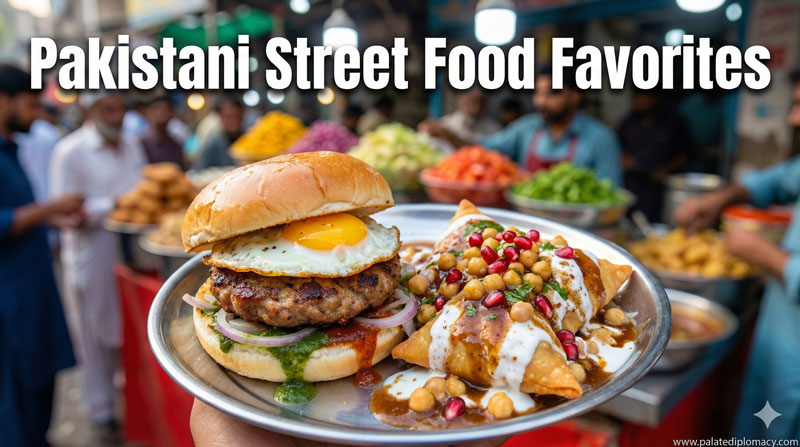
Chaat refers to a family of small, flavorful snacks. Each version uses a base of crisp bread or fried dough, topped with a balance of chutneys, yogurt, fresh herbs, and spices. The result is a chorus of textures: crackly, creamy, smooth, and fresh. From tangy tamarind and fiery chili to cool yogurt and fragrant herbs, chaat tells A Complete taste story in a single bite.
The Flavor Palette: Balance in Every Bite
Chaat thrives on contrast. Sweet meets sour, cool yogurt hushes hot spices, and creamy elements mingle with crisp components. This balance mirrors everyday meals at home and at markets. The careful mix of chutneys, spices, and garnishes creates a lively, upbeat flavor profile that celebrates both intensity and refreshment.
Core Components and Techniques
Several elements give chaat its character. Puri or fried crisps provide structure and snap. Chickpeas or potatoes offer heartiness. Yogurt brings richness, while tamarind and mint chutneys deliver bright acidity and herbal lift. Spices like cumin, coriander, and chili add warmth. A final shower of sev or chopped herbs adds delicate crunch and color. The art lies in layering these pieces so each mouthful sings with balance.
Social Threads: Sharing and Hospitality
Chaat naturally gathers people. A cart, a stall, or a home kitchen becomes a small gathering place where friends and family trade bites and stories. The act of serving, tasting, and adjusting the toppings in real time creates a sense of care and togetherness. This communal rhythm is a quiet cornerstone of the culture, demonstrating how food can strengthen bonds and brighten everyday moments.
Regional Variations Within Pakistan
Across cities, chaat wears local accents. In one city, papri chaat may emphasize crisp pastries with tangy chutneys. In another, dahi bhalla chaat might highlight soft lentil dumplings crowned with yogurt and a touch of sweetness. Fresh herbs, seasonal produce, and local spice blends shape each version. Yet the unifying spirit remains: a snack built for conversation, color, and comfort.
Seasonality, Freshness, and Street Food Ethos
Seasonal produce guides chaat’s flavors. Mango chutney in warmer months, coriander and mint for fresh brightness, pomegranate seeds for a jewel-like pop. The food-cart ethos emphasizes freshness, speed, and balance. Each bite benefits from the quick hand of a skilled vendor or home cook who respects texture, temperature, and timing.
Modern Expressions and Home Cooking
Today, chaat appears beyond markets in family kitchens and modern eateries. Cooks honor traditional elements while exploring lighter yogurts, inventive chutney blends, or local ingredients. This evolution keeps the dish vibrant and accessible, inviting new audiences to discover its charm without losing its roots.
Conclusion: A Window Into Everyday Joy
Chaat stands as a delicious, everyday expression of Pakistani food culture. It celebrates generosity, balance, and the joy of shared meals. With its bright flavors, varied textures, and social spirit, chaat offers more than taste—it offers connection, warmth, and a timeless reminder of how food can illuminate daily life.