
Introduction
Chaat is a lively chorus of flavors that travels from bustling street corners to quiet family kitchens. In Pakistani cuisine, it is more than a snack; it is a cultural touchstone that gathers friends, neighbors, and busy markets around a shared plate. Its appeal lies in quick assembly, bright color, and the way each bite carries tangy, sweet, salty, and spicy notes in harmony. This post traces how chaat found a warm home in Pakistani culinary life, celebrating its warmth, playfulness, and sense of togetherness.
What is Chaat?
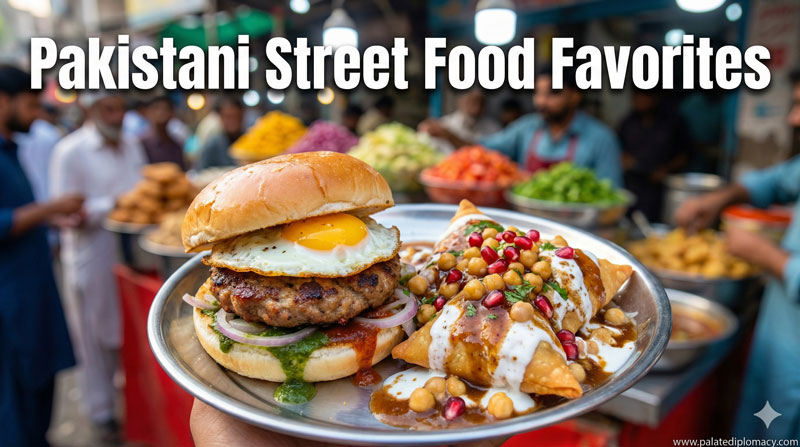
Chaat is a family of snacks built around fresh contrasts. A typical plate blends crisp bases, creamy yogurt, tamarind and mint chutneys, chopped vegetables, and savory toppings like chickpeas, potatoes, or sev. In Pakistan, vendors adapt the mix to local tastes, balancing texture and brightness with skill. Each component plays a role: the crunch invites, the yogurt soothes, the chutneys sharpen, and the herbs lift the aroma. The result is a portable, shareable pleasure that fits in street markets, homes, and celebratory gatherings alike.
The Flavor Map of Chaat
Chaat thrives on a carefully tuned flavor map. First comes crisp texture, then the coolness of yogurt, followed by a merge of sweet and sour chutneys. Next arrive savory elements like chickpeas, potatoes, or flattened puris, which lend heartiness. Finally, a dash of chili, cumin, and coriander sparks the finish. The palate experiences a quick pivot from tangy to creamy to crunchy in a single bite. This dynamic balance makes chaat inviting to diners of all ages and palates, reinforcing its popularity as a shared dish.
The Social Soul of Chaat
In daily life, chaat acts as a seat for conversation and connection. Families gather around a bowl, friends trade bites, and neighbors sample different twists as they stroll through markets. The act of assembling chaat becomes a playful ritual: choosing the chutneys, adjusting heat, and adding toppings to suit individual preference. This social rhythm—order, mix, taste, and share—builds a mood of hospitality and warmth that is central to the cuisine. The dish becomes a bridge between home kitchens and street stalls, reinforcing a sense of community around good food.
Regional Voices in Pakistan
Across Pakistani cities, chaat wears regional flavors with pride. In coastal Karachi, bright mint chutney and tangy tamarind bits mingle with seafood-inspired accents, while in Lahore, a richer yogurt layer and crisp fried bases echo local snacking traditions. Peshawar and northern towns contribute earthy spices and heartier potato- and chickpea-forward versions. The common thread is adaptability: the same idea of a crisp, tangy, and savory bite can be adjusted with spices, herbs, and textures to reflect local produce and preferences. This versatility has helped chaat endure and flourish as tastes evolve.
Techniques and Craft
Crafting an excellent chaat centers on balance and freshness. Start with a crisp base that stays sturdy while absorbing sauces. Layer yogurt gently to cool and cream the ensemble without washing away brightness. Combine tamarind and mint chutneys for a lively duo, then crown with chopped onions, coriander, sev, and pomegranate seeds for color and pop. The best vendors adjust amounts to achieve a personal signature: a touch more heat here, a brighter zing there. In kitchens, home cooks mirror this care, keeping ingredients vibrant and the plate inviting.
Home, Markets, and Everyday Rituals
Chaat fills both markets and home kitchens with a sense of invitation. In markets, the aroma of spiced chutneys and fried bases greets passersby. At home, families replicate favorite combinations, passing down small tweaks and shared memories tied to certain chaat styles. The dish travels through seasons, balancing with seasonal produce, and remains flexible enough to honor individual tastes. This ease of sharing strengthens its role as a staple that enhances ordinary meals with a festive edge.
Culinary Significance in Pakistani Cuisine
The popularity of chaat in Pakistani cuisine lies in its capacity to celebrate freshness, texture, and communal eating. It showcases how a single concept—bright, contrasting flavors—can expand into numerous regional variations while keeping a core identity. Chaat is a reminder that food can be both comforting and exciting, familiar and new, all at once. Its place in menus, street stalls, and family gatherings underscores a culinary culture that values hospitality, adaptability, and joy in everyday eating.
Conclusion
Chaat stands as a vibrant thread in Pakistani Food Culture, weaving together texture, aroma, and social warmth. Its journey from street stalls to family kitchens highlights a shared love of bright flavors and communal meals. By embracing versatility and balance, chaat continues to educate and delight palates, inviting everyone to taste the heart of the cuisine in a single bite. If you seek a dish that speaks to hospitality, craft, and joyful gatherings, chaat offers a flavorful invitation you can savor again and again.