
How Chaat Became Popular in Pakistani Cuisine
Chaat is more than a snack. It is a bright, communal experience that threads through daily life in Pakistan. This post invites you to explore how chaat grew into a beloved feature of Pakistani cuisine. You will see how its flavor patterns, textures, and social role come together to create a dish that feels both familiar and exciting. The story of chaat in Pakistan is a celebration of craft, hospitality, and shared moments around a lively plate.
The Street to Table: Chaat as a Shared Craft
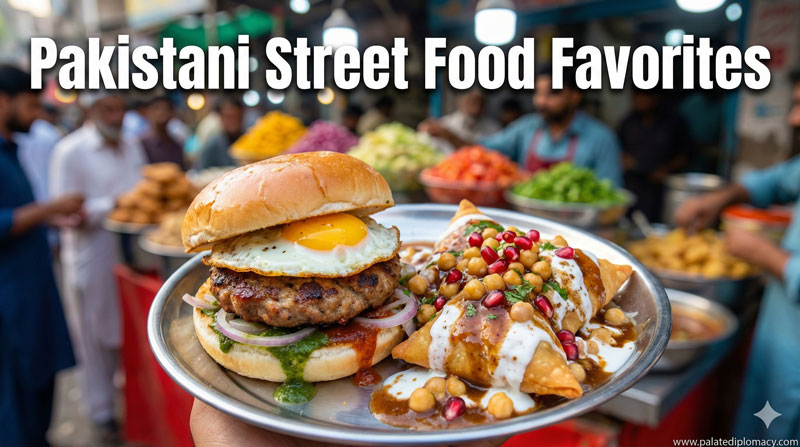
In bustling markets and busy neighborhoods, chaat vendors transform simple ingredients into delicious, impromptu meals. The stall is a small stage where skills meet seasonality. A cook picks fresh herbs, cooks chickpeas, and lays out crisp papri or papdi. Then comes the careful layering: potato pieces, yogurt, chutneys, onions, and spices. Each spoonful tells a story of daily life, from the morning market run to the evening gathering with friends and family. Over time, this street craft migrates to homes, festivals, and local eateries, enriching Pakistani meals with A Quick, soulful option that is both comforting and vibrant.
Core Elements: The Building Blocks of Pakistani Chaat
Chaat in Pakistan rests on a few reliable building blocks, each playing a precise role.
- Papri or papdi: crisp wafers that give an immediate crunch.
- Sev: fine fried noodles that add a delicate, brittle texture.
- Potatoes and chickpeas: soft, hearty anchors that balance the dish.
- Yogurt (dahi): creamy coolness that soothes heat and acidity.
- Chutneys: a sweet-tangy tamarind and a bright, herby minted-coriander version.
- Onions, coriander, and sometimes pomegranate seeds: fresh accents that lift every bite.
- Chaat masala, cumin, chili powder, and salt: the core spice mix that ties sweet, sour, salty, and spicy notes together.
When these elements come together, the dish sings with contrast. The creamy yogurt meets tangy chutneys, the crisp wafers meet soft potatoes, and the coolness of yogurt balances the sting of spices. The result is a well-rounded flavor profile that keeps you reaching for more while feeling satisfied.
Regional Threads: Karachi, Lahore, and Beyond
Chaat travels well, and Pakistan’s regions add their own color to the mix. In Karachi, the coastal air blends with bold tamarind and lemon notes. Chutneys feel bright, almost tangy with a hint of sweetness, and the use of fresh herbs enhances the seaside freshness. In Lahore, the palate leans toward robust spice and hearty textures. Potato-based chaat with generous masala and crisp toppings is common, creating a comforting, filling option for family gatherings. In other cities, like Rawalpindi or Peshawar, vendors tune the heat and salt levels to local tastes, often emphasizing crunch and the sharp bite of onions and chilies. Across these variations, the core components remain the same, but the balance shifts to reflect local favorites, seasonal produce, and the rhythm of daily life.
The Flavor Grammar: Balance, Texture, and Charm
What Makes chaat so appealing is its flavor grammar. It thrives on balance and a lively mix of textures. A single bite can deliver:
- Crunch from papri and sev.
- Creaminess from yogurt.
- Bright tang from tamarind and lemon.
- Freshness from cilantro and onion.
- A warm kick from chaat masala and chili.
This careful orchestration creates a symphony where no single element overpowers another. The canny layering lets you taste multiple sensations at once, while still feeling clean and bright on the palate. The beauty of chaat lies in its ability to be adjusted with intent: more chutney for tang, more yogurt for creaminess, extra sev for crunch. Through these choices, cooks honor tradition while inviting personal touch.
Social Threads: Chaat in Everyday Life
Chaat sits comfortably in social life. It appears at family dinners, street markets, and festive occasions alike. People share a plate, swap ideas for improvements, and celebrate the moment with conversation and laughter. The act of serving chaat mirrors hospitality: a warm invitation to taste, experience, and enjoy together. Its role as a quick, satisfying option makes it a natural centerpiece for gatherings of friends, cousins, and neighbors. In this way, chaat helps knit communities, turning a meal into a shared memory.
Home Craft: Bringing Chaat Home
Bringing chaat into the home is a celebration of fresh ingredients and careful assembly. Start with crisp bases like papri or puri in small bowls. Layer with potato and chickpeas, then add yogurt and a duo of chutneys. Finish with onions, cilantro, pomegranate seeds, and a light dusting of chaat masala. The key is to assemble just before serving so textures stay lively and chutneys stay bright. This approachable home version preserves the dish’s essence: it is quick to prepare, deeply flavorful, and wonderfully social.
Looking Forward: The Enduring Allure
Today, chaat continues to enchant diners with its bright flavors and joyful presentation. It travels beyond the street stall into modern eateries, hotel buffets, and home kitchens, always adapting while staying true to its core charm. The dish remains a testament to the artistry of everyday cooks who combine simple ingredients into something memorable. As Pakistan’s culinary landscape evolves, chaat stands as a welcoming invitation: come taste, share, and celebrate the delightful meeting of sweetness, sourness, heat, and texture.
If you haven’t yet explored chaat, start with a simple plate and notice how each component plays its part. Observe how the cool yogurt and vibrant chutneys balance the crisp wafers and soft potatoes. Listen to the way friends and family discuss spice levels and preferences. In this small, flavorful journey, you will feel the cultural value and culinary significance of how chaat became a beloved part of Pakistani cuisine. It is more than a snack; it is a colorful thread in the fabric of daily life, dinner tables, and shared moments.