
Introduction
Chaat is more than a snack in Pakistan. It is a living thread in the streets, kitchens, and markets that stitches everyday life with flavor. This dish tells a story of hospitality, balance, and craft. Each bite blends crisp textures, tangy chutneys, and creamy yogurt to celebrate culinary curiosity. In this blog, we explore how chaat mirrors Pakistani Food Culture, focusing on its cultural value and culinary significance. The goal is to admire the dish with respect, curiosity, and delight.
The Heart of Chaat
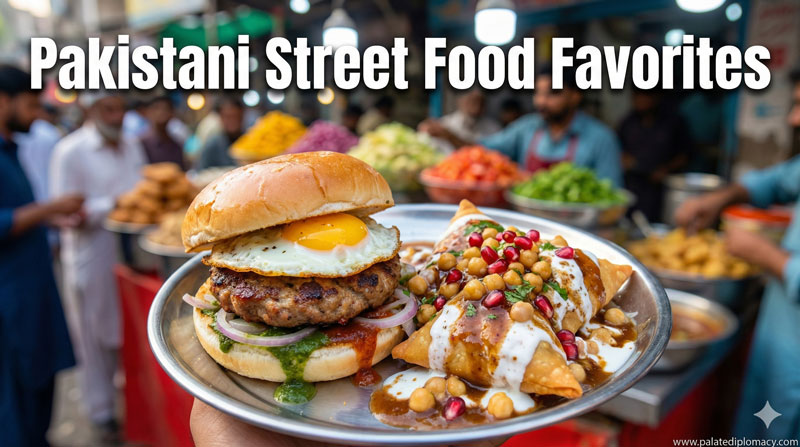
At its core, chaat brings together crisp elements, warm spices, and bright sauces. Think of fried dough or sev for crunch, cooked potatoes or chickpeas for heartiness, yogurt for creaminess, and a duo of chutneys—tamarind for sour-sweet depth and mint-coriander for freshness. The arrangement matters as much as the flavors: layers build complexity, while the toppings offer color and aroma. This thoughtful assembly reflects a culture that savors contrasts—hot and cool, sweet and tangy, soft and crunchy—within a single plate.
Regional Voices in Chaat
Across cities like Karachi, Lahore, Multan, and Peshawar, chaat wears regional accents. Local legumes, seasonal produce, and street-side spices shape each version. In some places, chickpeas take center stage; in others, crunchy dough pieces or samosa bits appear as joyful surprises. The pleasure comes from recognizing familiar ingredients refreshed by local textures and techniques. Yet the heart remains constant: chaat as a quick, comforting, and shareable pleasure.
Textures and Flavor Philosophy
Chaat embodies a texture philosophy that delights the senses. The contrast between a crisp topping and a velvety yogurt creates a satisfying mouthfeel. The bright tang of tamarind and the fresh lift of mint-coriander chutney harmonize with the warmth of roasted cumin and chili. This balance is not accidental; it mirrors a culinary ethos that values harmony, balance, and thoughtful seasoning. The result is a dish that invites a second helping and a longer conversation.
Social Side of Chaat
Chaat thrives in social spaces. Stalls bubble with conversation as vendors prepare fresh batches, swap tips, and adjust spice levels to suit the crowd. Friends, families, and neighbors gather around, sharing plates and stories. The ritual of passing a bowl, sampling a bite, and requesting extra chutney creates a sense of belonging. In this way, chaat is more than food—it is a social cue that hospitality is a joyful practice.
Visual Feast and Presentation
Color brightens the plate as a celebration of everyday art. The yellow of potatoes, the white swirl of yogurt, the green flecks of herbs, the ruby hue of pomegranate seeds (where used), and the glossy gloss of chutneys combine to create an inviting tableau. The presentation invites careful tasting, inviting all to notice aroma, texture, and balance before the first bite. In Pakistan’s bustling markets, this visual charm signals generosity and care.
Chaat in Everyday Life and Festive Moments
Chaat fits naturally into busy days and special occasions alike. It serves as a quick, nourishing pause between tasks or errands. Families gather after a day’s work, neighbors share in the open air, and festival atmospheres glow with the scent of spiced herbs. Its flexibility Makes It a versatile companion for gatherings, markets, and casual meals alike. The dish reinforces a culture that values sharing, warmth, and good company.
A Quick Home Note
Home cooks can honor chaat by balancing components with attention to freshness. Gather crisp base pieces, soft potatoes or chickpeas, and a choice of tangy and minty chutneys. Finish with yogurt, sev, onions, and herbs. Taste as you go: adjust salt, spice, and sweetness to create a personal, inviting version that still honors the dish’s core philosophy.
Respect and Craft
The artisans who craft chaat know how to layer flavor and texture with care. Their skill lies in timing, temperature, and balance. This respect for craft elevates the dish from sustenance to art. Appreciating chaat means honoring the hands, minds, and markets that bring it to life.
Conclusion
Chaat stands as a vibrant mirror of Pakistani food culture. It celebrates hospitality, regional variety, and a shared love of Bold Flavors and bright textures. Through its playful balance of taste, color, and community, chaat invites everyone to slow down, share, and savor the moment. In every bites, there is warmth, artistry, and the generous spirit of a people who welcome you to the table.