
Introduction
Chaat is more than a snack. In Pakistani streets and kitchens, it shines as a living expression of daily life, shared meals, and the joyful rhythm of flavors. The dish invites people to pause, taste, and connect. It celebrates freshness, timing, and balance—qualities that weave through family gatherings, neighborhood markets, and tea stalls. By its very nature, chaat is welcoming: a plate is rarely eaten solo. It becomes a small ritual that brings people together, one bite at a time.
What makes chaat a cultural mirror
Chaat is a versatile family of snacks that travels across Pakistan with tiny twists in each city. Common elements appear everywhere: crisp bases, smooth yogurt, tangy tamarind and mint chutneys, chopped onions and cilantro, and a final flourish of spices. This combination mirrors a culture that values contrast—crisp and soft, hot and cool, sweet and sour—happily living side by side on one plate. The way chaat is assembled—quick, lively, and communal—reflects everyday life: efficient, flavorful, and social.
The flavors and textures at play
Culinary significance often rests in balance. In chaat, brightness comes from tamarind and mint chutneys, while yogurt provides a cooling counterpoint. Crunch comes from puris, papdi, or sev, and creaminess from yogurt and finely chopped vegetables. Spices, especially chaat masala, add aroma and a light tang that enlivens the palate. This interplay creates a sensory portrait of Pakistani Food Culture, where meals are moments of exploration rather than simple nourishment. Each bite offers texture and tempo, inviting curious friends and family to explore together.
The social ritual of chaat
Chaat thrives in social settings. Stalls on busy corners, markets after prayers, or a home kitchen during a festive evening all become stages for the dish. Vendors greet regulars by name, and customers often tailor orders to personal tastes, adding extra chutney or removing onions. This adaptability mirrors hospitality in Pakistani culture: a meal is a shared experience, impressed with care and attention to individual preferences. The act of assembling chaat—layering components, sprinkling fresh cilantro, and presenting a colorful plate—becomes a small ceremony that strengthens community ties.
Regional varieties and local flair
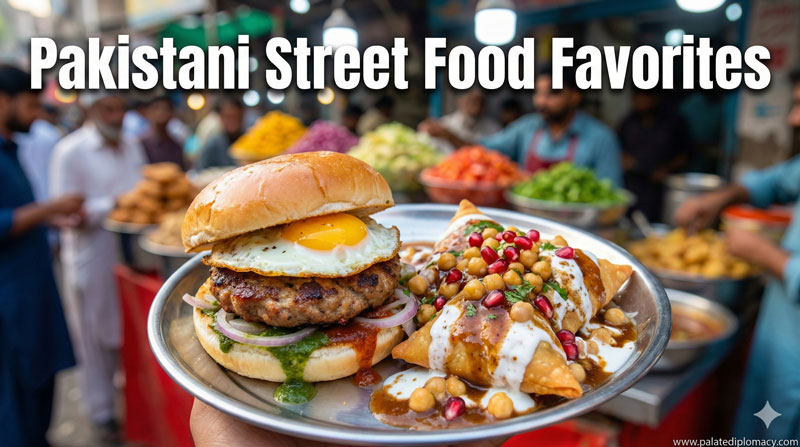
Across the country, chaat takes local form. Aloo chaat highlights boiled potatoes with tangy chutneys and crisp toppings. Papdi chaat uses thin, crisp wafers bathed in yogurt and chutneys, then finished with sev. Dahi puri blends puffed shells with potatoes, chickpeas, yogurt, and chutneys in a playful bite. Each variant carries a trace of its neighborhood—ingredient choices, spice levels, and the balance of heat and sweetness reflect local tastes. Yet all share a core idea: chaat is adaptable, a canvas for seasonal produce and regional preferences, and a testament to culinary creativity.
Ingredients as cultural symbols
Chaat brings together ingredients that are familiar on many Pakistani tables. Potatoes and chickpeas offer heartiness and comfort. Yogurt provides creaminess and a gentle tang that soothes spice. Tamarind offers sweet-tart brightness, while mint-cilantro chutney delivers a vibrant herbal note. Crisp puris or papdi provide texture contrast, and sev adds a delicate crunch. The final dusting of chaat masala perfumes the plate with a familiar aroma. Collectively, these elements symbolize hospitality, improvisation, and the joy of sharing a meal prepared with care.
The craft of chaat making
The charm of chaat lies in the craft as much as in the ingredients. A skilled vendor balances flavors with precision, layering components in the right order for maximum impact. Fresh toppings are added just before serving to preserve texture and temperature. The assembly is practical yet poetic: a quick mix, a careful spoonful, a final sprinkle of herbs. This craft mirrors the broader culinary culture of Pakistan, where speed, skill, and attention to detail come together to create something both comforting and exciting.
A living, evolving tradition
Chaat remains vibrant because it evolves with time. New chutney twists, seasonally available vegetables, and creative presentations refresh the experience while preserving core flavors. This adaptability reflects a culture that honors tradition while inviting freshness. As people share chaat with friends and family, they also share stories, memories, and a sense of place. The dish thus becomes a touchstone for identity, everyday joy, and the beauty of culinary experimentation.
Conclusion
How chaat reflects Pakistani food culture is evident in its balance of flavors, its textures, and its social spirit. It is a dish of welcome, a snack that invites conversation and connection. It honors hospitality, celebrates regional nuance, and showcases the artistry of quick, joyful cooking. By savoring chaat, one tastes more than food; one tastes a culture that values warmth, creativity, and community. If you seek a dish that embodies the joy of shared meals, chaat offers a flavorful invitation worth embracing.