
Introduction
Chaat is more than a snack in Pakistan; it is a vivid thread in the fabric of everyday life. This inviting street dish mirrors the warmth, variety, and rhythm of Pakistani Food Culture. Each bite tells a quick story of shared tables, careful seasoning, and the joy of balancing flavors. In Pakistan, chaat invites neighbors to gather, chat, and savor a moment together. Its appeal lies in how a simple plate can feel both familiar and exciting, a small festival of taste in a busy day.
The Craft Behind Chaat
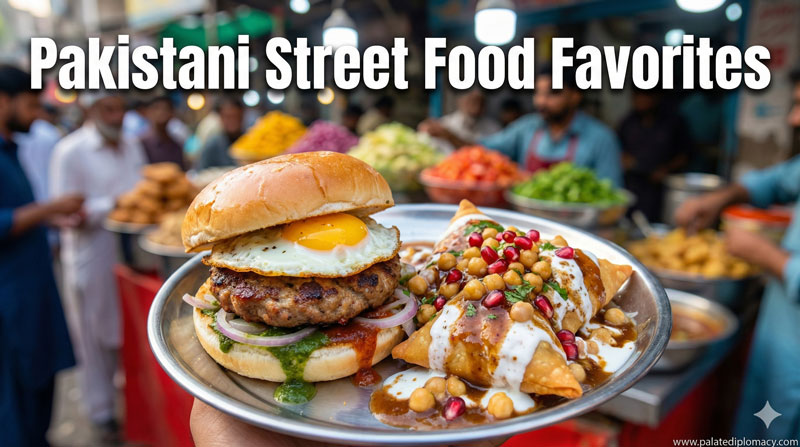
The beauty of chaat starts with the hands that assemble it. A master vendor layers fresh ingredients in a thoughtful sequence, then finishes with a flourish of chutneys and spices. Fresh yogurt adds creaminess, while crunchy sev and crisp papri bring texture. The magic happens in balance: tangy tamarind, bright green chutney, and the gentle salt of chaat masala meet the soft sweetness of yogurt. Potatoes, chickpeas, or flattened dough crisps provide hearty anchors. This craft looks simple, but it rewards attention to freshness, proportion, and tempo. A well-made chaat makes room for every component to shine without overpowering the others.
Flavors and Textures that Define Chaat
Chaat lives at the intersection of bold and bright. The tang of tamarind and citrusy green chutney wakes the palate, while yogurt cools and smooths. A pinch of chaat masala adds a citrusy, smoky note that lingers pleasantly. Crunch meets cream in every bite: crisp papri or sev contrast with tender potatoes and chickpeas. The textures invite a playful rhythm—soft, crisp, creamy, and chewy all at once. Regional touches—like the choice of chutneys, onions, coriander, and pomegranate seeds—shine through, but the core experience remains the same: a lively harmony of sweet, sour, salty, and spicy that feels both comforting and exciting.
Chaat and Community: A Social Food
Chaat is deeply social. Vendors set up in bustling markets, at street corners, or near busy crossroads, inviting people to pause and share. Families bring elders and youngsters together, teaching younger cooks How to balance flavors and keep the tradition alive. Friends mix chatter with bites, turning a quick snack into an occasion. The act of serving chaat—tasting first, adjusting spice, offering extra chutney—becomes a small ceremony of hospitality. In this way, chaat strengthens community ties, turning a common street food into a beloved ritual of connection.
Regional Variations Across Pakistan
Across Pakistan, chaat carries regional character while preserving a shared essence. In major cities like Karachi and Lahore, vendors emphasize freshness and vibrant chutneys, creating a bright, fast-paced flavor profile. In other regions, cooks tailor the dish with local staples, such as different chickpea preparations, seasonal produce, or particular spice blends. Yet the underlying concept stays the same: a medley of textures and a balance of tastes that invites quick sharing. This flexibility shows how Pakistani food culture values adaptability, craft, and the joy of cooking that welcomes diverse tastes into a single plate.
The Role of Vendors and Markets
The street stall is a stage where technique, speed, and care converge. A skilled chaat maker reads the crowd, adjusts heat levels, and keeps ingredients fresh throughout a busy night. Markets and fairs become classrooms where recipes evolve with time, season, and preference. The vendor’s voice—welcoming and clear—guides guests through the options, turning first-timers into regulars. This dynamic relationship between cook and community underscores the culinary significance of chaat: it is a living tradition that thrives on human connection and shared appetite.
Chaat as a Mirror of Everyday Pakistani Food Culture
Chaat captures several core values of Pakistani cuisine. It celebrates hospitality, offering generous portions and a welcoming presentation. It honors seasonal ingredients and local produce, transforming them into a layered, sensory experience. It rewards balance and restraint, reminding us that flavor harmony often emerges from careful restraint rather than bold excess. It also reflects a spirit of ingenuity—assembling diverse elements into a single, satisfying dish. In short, chaat reflects the beauty of daily life: practical, joyful, and deeply satisfying.
Conclusion
Through its ingredients, technique, and social role, chaat reveals the heart of Pakistani food culture. It is a dish that invites sharing, celebrates regional twists, and elevates everyday flavors into something memorable. Whether enjoyed as a quick street bite or as part of a larger gathering, chaat teaches us to savor contrast, to value fresh preparation, and to welcome community at every turn. In this way, chaat stands as a delicious emblem of culinary life, where taste, texture, and togetherness unite in harmony.