
Introduction
Chaat is more than a snack. In Pakistan, it is a bright thread in the fabric of daily life. It arrives from bustling streets, graceful in its simplicity, and bold in its flavors. This post looks at how chaat mirrors Pakistani Food Culture. It explores the dish’s culinary significance and How It carries mood, memory, and community from corner stalls to family kitchens. The focus stays on taste, craft, and culture—clear, inviting, and respectful.
The Palette of Flavors in Chaat
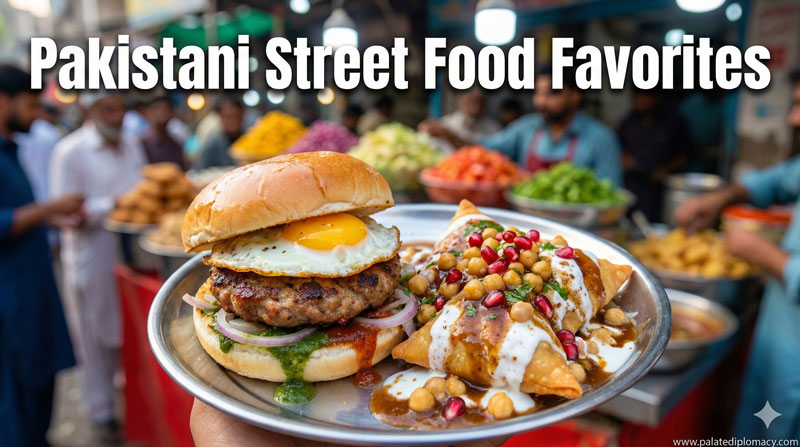
Chaat blends a spectrum of tastes in every bite. First comes tangy tamarind and sharp mint chutneys. Next arrive the creamy yogurt and a pinch of salt. Then the heat and spice peek through chaat masala and chili. Finally, offers of sweetness or savoriness surface through roasted cumin, onions, and chickpeas. This balance mirrors a cultural preference for harmony: bold notes that do not overwhelm the palate, but invite the eater to pause, reflect, and savor. In Pakistan, this harmony is not merely for pleasure; it is a way to celebrate ingredients at their best and to honor the relationship between cook, street vendor, and diner.
Texture as a Cultural Signal
Texture matters in chaat. Crunch from papri or sev contrasts with the soft bite of boiled potatoes and the smoothness of yogurt. The range of textures creates a dialogue in the mouth. This conversation reflects a broader ease with variety in Pakistani cooking. People expect variety in a single plate, and chaat delivers it without fuss. The on-site assembly adds a tactile element as well: the vendor layers components just before serving, creating a moment of anticipation for the eater. This emphasis on texture highlights a cultural appreciation for craft, freshness, and the joy of sensory delights.
Regional Variations Across Cities
Across Pakistan, chaat adapts to local tastes and seasonal produce. In coastal cities, chutneys lean toward bright, zesty notes with a touch of citrus. Inland markets favor earthier undertones from roasted spices and coriander. Street stalls in busy neighborhoods often customize with a quick sprinkle of fresh herbs or pomegranate seeds, giving each plate a unique signature. Common forms include potato-based chaat with yogurt, crispy papdi chaat, and sev-topped mashups with chickpeas. These variations show how chaat travels through regions, absorbing local produce and preferences while maintaining core elements that identify it as chaat. The result is a diverse yet recognizable thread that ties vendors and diners to a shared idea: a lively, satisfying snack that fits any moment of the day.
Chaat as Social Craft
Chaat is social by design. Vendors welcome regulars with a friendly nod, turning a quick snack into a small gathering. Friends stop for a chat as they share plates and compare flavors. Families assemble after work or school, turning a simple dish into a moment of connection. The space around a chaat stall becomes a social stage where conversations flow as freely as the chutneys. This social role is a hallmark of Pakistani food culture: food acts as a conduit for conversation, hospitality, and mutual enjoyment. The act of sharing chaat reinforces a sense of community and belonging that many people carry into daily life.
Freshness, Craft, and the Vendor’s Skill
The best chaat showcases a vendor’s skill in selecting ingredients and balancing flavors on the fly. Fresh chopped onions, crisp sev, and bright herbs elevate the dish. Vendors taste test chutneys, adjust sweetness or savoriness, and add a final squeeze of lemon to finish. This on-the-spot artistry emphasizes freshness and attention to detail. It also mirrors a broader cultural value: care in preparation, respect for ingredients, and pride in one’s craft. Diners know that the best chaat comes from hands that understand how each component supports the others. The result is a dish that feels honest, crafted, and inviting.
Seasonal and Fresh Elements
Chaat thrives on seasonality. In warmer months, mango or citrus additions give a sunny brightness. In cooler times, roasted spices and heartier ingredients anchor the flavors. Fresh herbs, chopped coriander, and mint leaves brighten the plate and lift the aroma. The seasonality in chaat mirrors how Pakistani food culture values freshness and timely produce. This practice keeps the dish lively and relevant throughout the year, inviting people to enjoy it in many forms and combinations.
The Everyday Narrative of Chaat
Chaat captures everyday moments with warmth and ease. It appears as a quick snack after work, a rewarding stop during a market stroll, or a cheerful addition to special family gatherings. Each plate tells a small story: the choice of chutneys, the balance of tangy and spicy, the way sesame or sev adds crunch. In these stories, chaat becomes a storyteller itself—of ingredients, places, and people who come together through shared taste. The dish thereby strengthens a sense of daily culture that is accessible to all, not reserved for a select few.
Healthful Notes in a Flavorful Dish
While chaat is a celebration of flavor, it often features wholesome components. Legumes provide plant-based protein, yogurt adds calcium and probiotics, and herbs deliver color and aroma. Even the crisp textures come from simple, traditional ingredients like fried dough or fried sev made from gram flour. The balance of flavors supports a culture that values nourishment as well as pleasure. In this light, chaat is not just tasty; it is a modest, satisfying option that fits into everyday eating.
Chaat as a Window Into Hospitality
Hospitality shines through chaat. Offering a plate to a guest is a quiet gesture of welcome. The shared plate signals respect for the guest’s preferences and a readiness to tailor the experience. Hosts often ask for feedback, adjusting spice levels or sweetness. This back-and-forth reinforces a culture of care and attentiveness. In many households, chaat is part of a ritual that honors guests and celebrates conviviality. The dish becomes a tiny but meaningful way to show generosity and grace.
A Gentle Invitation to Explore
For readers curious about Pakistani food culture, chaat serves as a gentle invitation to explore broader flavors and textures. It invites you to notice how ingredients interact, how vendors read a crowd, and how a simple snack can carry joy across a busy day. The experience is approachable: a plate shared among friends, an aroma that lingers, a memory formed around a street stall. Chaat becomes a friendly ambassador for the richness of everyday cooking.
Conclusion
Chaat stands as a vibrant expression of Pakistani food culture. It is a dish of balance, texture, and social warmth. It reflects a love for fresh ingredients, craft, and communal joy. From the stall to the kitchen, chaat shows how food can be both simple and profound. It invites us to slow down, savor, and celebrate the everyday beauty found in a thoughtfully assembled plate. In this way, chaat offers more than flavor—it offers a window into a culture that values hospitality, flavor, and shared happiness.