
Introduction to a Flavorful Tradition
Chaat has a bright, inviting presence in Pakistani cuisine. It is more than a snack; it is a shared moment of cooking artistry and communal tasting. In homes, markets, and street stalls, chaat brings together crisp textures, tangy sauces, and cooling yogurt in a single, lively bite. This post explores how chaat found a beloved space in Pakistani cooking, celebrated for its balance of flavors and its friendly, social spirit. The journey highlights how cooks adapt ingredients with care, creating dishes that feel both familiar and distinctly local.
The Signature Elements That Define Chaat
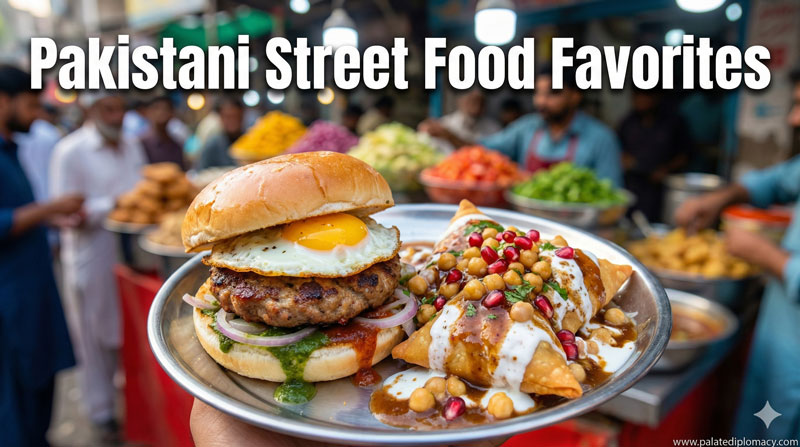
What Makes chaat sing in Pakistani kitchens? It starts with texture. Crisp papdi or sev, soft boiled potatoes, creamy yogurt, and tender chickpeas create a mosaic of bite sizes. Then there are the sauces: tamarind for a sour-sweet kiss, mint or coriander chutney for brightness, and a drizzle of lemon juice to wake the palate. A pinch of chaat masala adds a whisper of aroma and a gentle zing. Fresh onions, coriander leaves, and pomegranate seeds sometimes finish the plate with color and a burst of freshness.
This blend of sweet, sour, spicy, and savory flavors is the heart of chaat’s appeal. It is also highly adaptable. Cooks select components based on what is available and what the moment calls for. That flexibility makes chaat a mirror of everyday Pakistani cooking: practical, vibrant, and inviting to share.
Regional Palettes: How Pakistan Surges with Chaat Variety
Across different cities, chaat takes on unique accents. In Karachi, the sea’s influence nudges menus toward lighter chutneys and a touch of tangy freshness that complements fish or seafood snacks. In Lahore, street vendors often showcase bold flavors and generous spice levels, pairing crispy bases with rich yogurt and fragrant masalas. In Rawalpindi and the northern regions, there is a preference for heartier fillings—soft potatoes and chickpeas—balanced by bright chutneys and a cool yogurt finish. Multan and other southern towns bring a sunlit sweetness from ripe tamarind and the warmth of chatpata spices.
Within these cities, you’ll find familiar formats with local twists. Papri chaat, aloo tikki chaat, dahi puri, and samosa chaat are common silhouettes, each beloved in its own right. The choice of toppings—sevan, chopped onions, cilantro, curry leaves, or pomegranate seeds—reflects seasonal produce and local taste. Together, these variations show how a single concept can bloom into many distinct expressions, all nourishing in their own way.
The Social Fabric of Chaat: Shared Moments
Chaat thrives where people gather. It appears at busy markets, after school, and at festive street corners where friends and families meet to sample quick, satisfying bites. The act of sharing a plate, passing bowls around, and commenting on the balance of chutneys becomes a small ceremony. In homes, chaat can be A Quick supper or a playful project in the kitchen, brought to life by different helpers adding a final flourish of herbs or a dusting of chaat masala.
This social dimension is more than hospitality; it’s a cultural practice of generosity and connection. People tell stories while assembling chaat, and the dish carries these moments in its layers of flavor. In this way, chaat becomes a moving tradition—changing with seasons, markets, and personal taste, yet always tied to the same joy of communal eating.
Craft and Technique: Building Balance and Brightness
A chef’s touch matters in chaat. The order of assembly preserves textures and ensures each bite carries a chorus of contrasts. Start with a crisp foundation—potatoes, papdi, or papri—then add soft elements like yogurt or chickpeas. Next, drizzle the chutneys so their flavors spread without overwhelming the other components. A final shower of sev or crushed herbs brings a delicate crunch and perfume.
The artistry also lies in balancing flavors. Too much sourness can overwhelm; too little can dull the palate. The trick is to taste as you go, adjusting with a squeeze of lemon, a touch of salt, and a sympathetic pinch of chaat masala. Fresh herbs uplift the dish, while tamarind and mint chutneys provide a dual brightness that makes chaat feel alive. Finally, a respectful, generous plating invites guests to explore textures from first bite to last.
Experience at Home: Bringing Chaat into the Kitchen
For home cooks, chaat offers a joyful project with high payoff. Gather a few dependable components: potatoes, chickpeas, papdi or papri, yogurt, tamarind chutney, mint chutney, red onion, cilantro, and sev. Prepare the bases ahead of time: boil the potatoes, crisp the papdi, and whisk the yogurt to a smooth cream. When ready to serve, lay the base, add toppings, drizzle chutneys, and finish with herbs and sev. A squeeze of lemon brightens the plate.
Pair chaat with an icy beverage or a warm cup of tea, depending on the moment. The dish shines when served fresh, so aim to assemble just before eating. The result is a bright, empathetic celebration of local ingredients and straightforward techniques that any home cook can enjoy.
The Culinary Significance: Why Chaat Matters in Pakistani Cuisine
Chaat embodies the spirit of Pakistani cooking: resourceful, flavorful, and respectful of regional variety. It honors ingredients at their peak and invites cooks to layer textures and tastes in thoughtful ways. The dish also demonstrates how everyday foods can become cherished rituals—whether at a family table, a busy market stall, or a friendly gathering. Chaat is a testament to the beauty of simple components united by careful technique and shared delight.
Conclusion: A Toast to Chaat
From bustling streets to quiet kitchens, chaat holds a warm place in Pakistani cuisine. Its appeal lies in balance, texture, and the joy of sharing. The dish invites cooks to improvise with confidence and to celebrate the fresh, familiar flavors that define local cooking. In every bite, chaat tells a story of craft, community, and the lasting charm of a truly beloved snack.