
Introduction
Chaat is a bright, welcoming dish that found a cherished home in Pakistani cuisine. It arrives in streets and kitchens with a promise: a plate that blends tang, spice, sweetness, and crunch. In Pakistan, chaat is more than food. It is a shared moment, a simple ritual of savoring together. This post explores the cultural value and culinary significance of how chaat Became Popular here. It celebrates the beauty of its flavors and its place in daily life.
Core flavors and textures of chaat
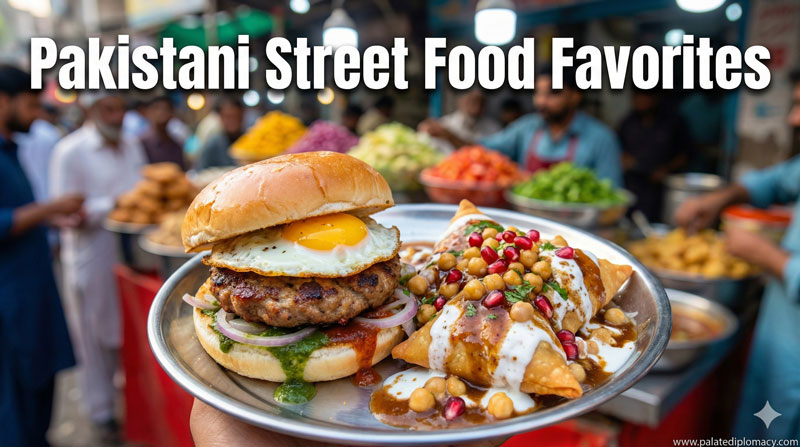
Chaat charms the palate with contrasts. Crunch meets cream, heat meets cool yogurt, and sour tamarind meets sweet chutney. The base often includes crisp puris or sev, soft potatoes, chickpeas, and yogurt. Fresh herbs, pomegranate seeds, and tamarind or mint chutneys complete the plate. The result is a harmony of textures and a dance of bright flavors. In Pakistani kitchens, these elements are tuned to local tastes, producing a familiar glow on the tongue.
Local adaptations across Pakistani cities
Across major cities, chaat wears local colors. In Karachi, vendors blend tangy tamarind with rich yogurt for a lively finish. In Lahore, spicy notes rise from mint chutney and chili powder, balanced by cool yogurt. In Multan and smaller towns, aloo chaat and samosa chaat showcase sturdy textures and bold seasoning. Each city adds its own touch, yet the heart stays the same: a joyful, shareable snack that invites conversation and curiosity.
The street food tradition
Chaat thrives where carts and stalls gather. Vendors prepare plates on the spot, layering ingredients to order. The preparation feels Like a performance: drizzle chutneys, scatter sev, crown with coriander, and finish with a squeeze of lime. Customers watch the craft and join in the moment. This street food rhythm creates a lively social fabric that strengthens local identity and pride in everyday eating.
Texture as a culinary philosophy
The beauty of chaat lies in texture. A crisp bite from sev or puri gives way to soft potato and creamy yogurt. The sauces bring brightness and warmth in turns. This balance mirrors the Pakistani love for meals that feel complete in a single plate. The dish teaches cooks to layer components with care, so every bite reveals something new and comforting at once.
Ingredients and techniques that shape the dish
Key ingredients include yogurt, chutneys (tamarind and mint), chickpeas, potatoes, chopped onions, cilantro, and crisp toppings like sev or papri. Spice blends, called chaat masala, add a signature aroma and tang. Techniques focus on fresh assembly and quick tempering of flavors. The goal is to preserve the distinct character of each component while uniting them in the final plate.
Social and cultural significance
Chaat acts as a bridge between friends and families during casual meals and celebrations alike. It travels with neighbors, welcomes visitors, and accompanies conversations. Sharing a bowl of chaat is a simple way to express hospitality, warmth, and care. The dish supports social bonds, offering a flexible, universally approachable snack that suits any time of day.
How to enjoy chaat at home
To recreate the spirit at home, gather fresh ingredients and sense the balance. Start with a crisp base, add a creamy layer of yogurt, and drizzle two chutneys for contrast. Sprinkle herbs and a touch of chaat masala for aroma. Serve immediately to keep the crunch. Invite others to customize their plates, making chaat a cooperative, festive experience in your kitchen.
Variations you might encounter
You may see many regional expressions of chaat. Some feature more potatoes; others emphasize yogurt and citrus. Vegan or dairy-light versions rely on plant-based yogurts and extra herbs. While the toppings may vary, the core idea remains: a lively, flavorful plate designed for sharing and delight.
Conclusion
Chaat’s popularity in Pakistani cuisine comes from its ability to fuse texture, brightness, and communal joy. It celebrates local flavors while inviting everyone to participate in the tasting ritual. As a dish, it honors simplicity and generosity—two enduring values in Pakistan’s rich Food Culture. Whether enjoyed at a bustling stall or prepared at home, chaat remains a bright testament to the beauty of flavorful, thoughtful cooking.