
Introduction: A Dish That Speaks Through Aroma and Heart
Chicken biryani is more than a meal. In many Pakistani homes, it feels Like a shared smile passed from stove to table. The dish blends tenderness in the chicken with the lift of fragrant rice, creating a symphony that celebrates hospitality, family, and daily life. Its beauty lies not only in flavor but in the moment it creates: a pause of savoring, a reason to gather, a memory to carry forward. This is why chicken biryani holds a cherished place in Pakistan’s food culture.
The Cultural Value: Hospitality Woven Into Every Layer
At its core, biryani is a dish of welcome. It arrives at the table in a warmed, generous portion, inviting everyone to share. Its preparation often becomes a small ritual: a hostSelects ingredients with care, lets spices mingle, and guards the moment when steam lifts the lid. The result is a fragrant signal that guests are valued. Because biryani is meant to be shared, it strengthens bonds in homes, between neighbors, and among friends who come together for meals. The act of serving biryani becomes a expression of respect and care, an everyday celebration of togetherness.
The Culinary Significance: A Balance of Texture and Fragrance
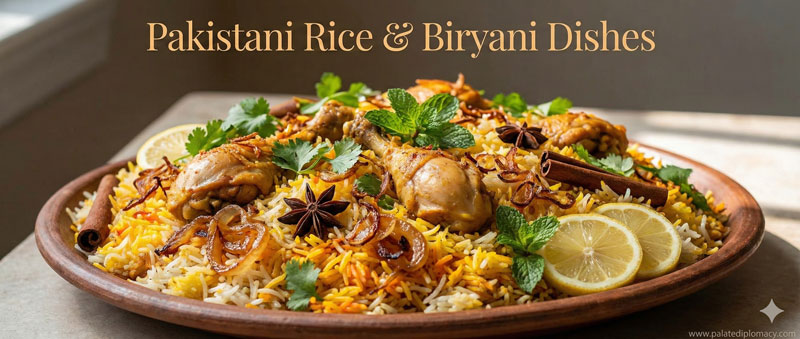
What Makes chicken biryani so beloved is the precise balance of elements. The dish brings together fluffy basmati rice, succulent chicken, and a chorus of spices. Each bite offers a contrast: tender meat against the light, separate grains of rice; the warmth of garam masala, cumin, and cloves against the bright lift of coriander and mint. A touch of yogurt can add tang, while fried onions add sweetness and crunch. The beauty is in layering: rice and meat cooked together, then separated in fragrant folds of spice. The result is comforting yet exciting, familiar yet capable of surprising the palate.
The Technique: Dum Cooking, Aroma, and Care
The technique behind biryani is a teacher of patience and balance. The pot is sealed to trap steam, a method often called “dum.” This seal allows flavors to mingle gently as the dish finishes cooking. The rice is parboiled to the right firmness, then layered with marinated chicken and spice mix. A final flush of steam settles the flavors into harmony. This process creates an aroma that lingers, inviting conversation and anticipation. Careful timing protects the texture of the rice while ensuring the chicken stays moist. The result is a dish that feels crafted, refined, and rooted in practical kitchen wisdom.
Regional Expressions Within Pakistan: Varied Yet United in Flavor
Across Pakistan, biryani offers subtle regional notes while maintaining a shared identity. In some cities, potatoes may appear as a comforting layer, absorbing the flavors and adding heartiness. In others, the emphasis lies on a bright aroma and a clean balance of spices, letting saffron or color give the rice a sunlit glow. Some kitchens favor a crisp topping of fried onions, while others highlight fresh herbs like mint and cilantro. Each variation reflects local tastes, seasonal ingredients, and the warmth of the cooking tradition. Yet all forms honor the same purpose: to bring people together with a dish that feels both everyday and special.
The Social Heartbeat: Biryani in Homes, Markets, and Celebrations
Biryani travels from market stalls to family kitchens with a shared enthusiasm. In homes, it is a reliable centerpiece for Sunday gatherings, for guests stopping by, and for celebratory meals that mark milestones. In bustling markets, vendors prepare batches that fill the air with inviting scent, drawing people toward the spice aisles and fresh produce. On larger occasions, biryani is prepared in big pots, then served family-style, inviting everyone to serve themselves and pass bowls around the table. The dish’s social rhythm—preparation, serving, and sharing—reminds people that meals are a cherished, communal act.
Serving Traditions: Accompaniments and the Table Experience
A well-composed biryani rises with its companions. Raita, a cool yogurt-based accompaniment, offers a refreshing balance to the spices. Fresh salads add brightness and crunch, while lemon wedges invite a gentle brightness at the table. Pickles or tangy chutneys bring a sharp, contrasting bite. Naan or another flatbread can be a perfect vehicle for scooping and savoring. This ensemble of sides enhances the biryani, emphasizing hospitality and the pleasure of tasting together. The table becomes a place where textures and temperatures meet, and conversation naturally flows.
The Craft in Home Kitchens: A Path to a Confident Yet Humble Dish
For home cooks, biryani teaches a practical art: choose quality ingredients, layer with intention, and respect the cooking process. Start with good basmati rice and fresh chicken. Marinate the chicken with yogurt, garlic, ginger, and spice blends to infuse flavor evenly. Toasting whole spices releases their perfume early, setting the tone for the dish. When layering, distribute chicken and rice evenly and drizzle saffron-infused milk or color to add a gentle warmth. Finally, let the dum cooking do its quiet work, then rest the pot briefly before serving. This approach helps home cooks achieve a restaurant-like feel in their own kitchens while keeping the recipe approachable and forgiving.
The Beauty of Simplicity and Skill: Why It Endures
One reason biryani endures is its balance of simplicity and skill. The ingredients are familiar: rice, meat, spices, yogurt, and aromatics. Yet when combined with care, they reveal depth and memory. The dish holds a gentle artistry that can be passed from one generation to the next through hands-on practice, shared meals, and stories told at the table. Its adaptability—spice intensity, portion size, and ingredient variety—allows households to reflect their own tastes while staying true to the essence of biryani. This adaptability reinforces its enduring appeal in Pakistani food culture.
A Reflection on Flavor, Culture, and Everyday Joy
Chicken biryani is a celebration of daily life as much as it is a celebration of special occasions. It makes ordinary days feel extraordinary and ordinary meals feel thoughtful. The scent, the texture, and the act of sharing create a feeling of belonging. In this way, biryani is more than a dish; it is a cultural touchstone that reminds people of home, hospitality, and the joy of gathering around a table.
Quick Tips for Appreciating the Dish
- Look for fragrant rice that remains separate rather than clumped together.
- Notice a harmonious aroma of spices without any single note overpowering others.
- Seek tender chicken that remains juicy, not dry.
- Pay attention to the balance of tangy, creamy, and fresh herb flavors.
- Enjoy with cool raita and crisp salad to enhance contrast and balance.
Conclusion: A Dish Thatermakes Every Table a Welcome Table
Chicken biryani stands out as One of Pakistan’s most loved dishes because it embodies warmth, skill, and shared delight. Its cultural value comes from the way it invites people to gather, to enjoy, and to remember together. Its culinary significance lies in its careful layering, aromatic profile, and adaptable regional expressions. In every kitchen and market, biryani continues to inspire care, conversation, and a sense of belonging. It is a dish that respects tradition while inviting personal touch, and that is why it remains a cherished part of Pakistan’s rich food culture.