
Why Chicken Biryani Is One of Pakistan’s Most Loved Dishes
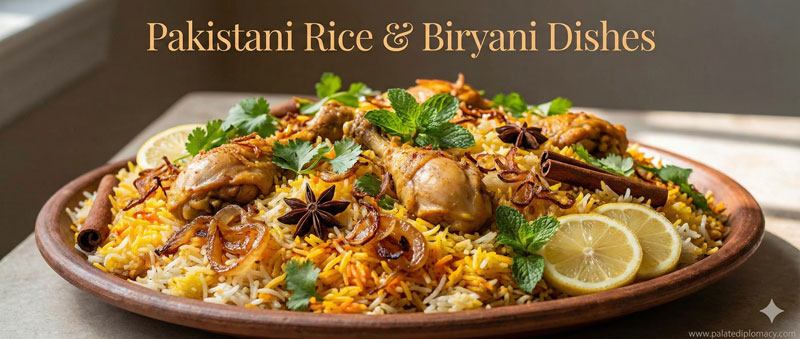
Chicken biryani sits at the heart of Pakistani cuisine. It blends fragrant basmati rice with marinated chicken, yogurt, tomatoes, and a bouquet of spices. The dish represents hospitality, care, and shared moments. In homes across cities and towns, cooking biryani becomes a gesture of warmth and welcome. Its colors—golden rice, green herbs, and rich meat—mirror a culture that values beauty, balance, and generosity in every meal.
A Symphony of Aroma and Texture
From the moment the spices meet onions and yogurt, the kitchen fills with perfume. The rice grains stay separate and tender, while the chicken remains juicy and savory. Saffron or turmeric gives a sunny hue. Fried onions add sweetness and crunch. The dum cooking method seals flavors, letting meat and rice mingle into a single, harmonious bite. Each mouthful carries warmth, depth, and a gentle lift of spice.
A Dish That Welcomes and Connects
Biryanis are shared from large platters in many homes. Families gather around one dish, passing portions to neighbors and guests. The act of serving invites conversation, laughter, and memory-making. Sharing biryani says, “You are part of this circle.” It creates a moment of connection that lingers long after the meal ends.
The Craft of Layering: Rice, Meat, and Spice
to Make biryani, chefs parboil rice until it is just tender. They marinate chicken in yogurt, garlic, ginger, chili, turmeric, cumin, coriander, garam masala, and salt. They prepare a perfume of saffron swirled in warm milk. Then they layer: a base of fried onions and fresh herbs, a layer of rice, a layer of chicken, and more rice on top. Mint and cilantro accompany the layers. Ghee adds richness. The pot seals tightly, and steam completes the cooking, releasing a captivating aroma at the table. This layering creates balance: perfume, heat, tang, and a tender bite in every grain.
Regional Voices: Karachi, Lahore, and Sindh
In Karachi, biryani often carries a bold, bright spice profile with vibrant color. The aroma invites a quick, confident bite and generous garnishes. Lahore shows a sturdy, comforting warmth, with caramelized onions and a peppery finish. Sindh’s regional touch leans on fragrant basmati and a generous saffron lift, producing a royal note without losing everyday familiarity. Across these voices, the core remains the same: rice and chicken, carefully seasoned, shared with care.
The Table Companion: Raita, Salad, and Lime
Accompaniments balance the heat. Cool raita soothes the palate, while crisp salad adds texture. Lemon or lime wedges brighten the plate, and fried onions give a final crunch. Fresh herbs, such as mint, bring a refreshing lift. Together, these details enhance flavor and invite another bite.
Everyday and Festive Moments
Chicken biryani appears in daily kitchens as well as on special occasions. For family meals, it showcases patience and technique. For celebrations, it becomes a centerpiece that elevates the gathering. The dish travels from simple weeknights to festive menus, always delivering comfort and delight.
Preservation and Gentle Evolution
Chefs honor tradition while inviting gentle updates. Some kitchens experiment with lockstep techniques or new spice blends, yet the essence remains clear: fragrant rice, tender chicken, and harmonious spices. The recipe adapts to trends without losing its soul. The result is a dish that feels rooted yet alive in today’s kitchens.
Celebrating Culture Through Flavor
Chicken biryani is more than taste. It is a story of care, home, and shared meals. Its cultural value lies in How It brings people together, how its spices reveal a region’s love for color and aroma, and how the dish travels softly from stove to table. In this way, biryani expresses a living tradition—beautiful, inviting, and endlessly evolving.