
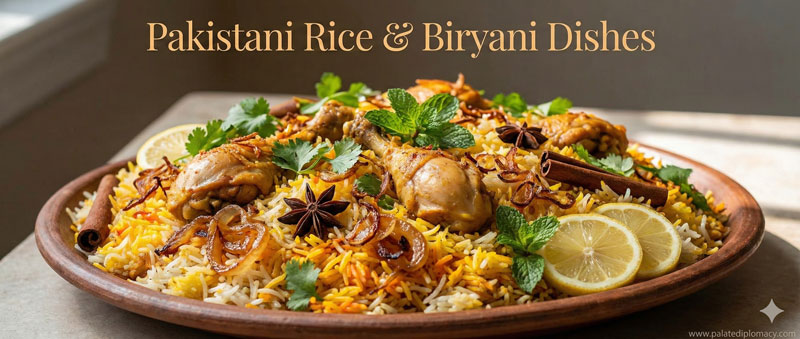
Discover the Rich Flavors of Chicken Biryani
This dish invites you into a world of fragrance, color, and balance. Chicken biryani blends long-grain basmati rice with pieces of chicken, a chorus of spices, and careful technique. The result is a lively dish that speaks to care, tradition, and shared meals. Seen on tables for everyday dinners and for special occasions alike, it stands as a celebration of cooking craft. The name signals a method rooted in layering and steam, where each layer contributes its own note to the whole. The appeal is in how simple ingredients become something more with patience and attention.
The Craft of Layering and Dum Cooking
The heart of biryani lies in layering and gentle steaming. First, rice is parboiled to a perfect, separate grain. Next, chicken is marinated and sautéed with aromatics. Onions turn sweet and brown, granting depth and sweetness. Then comes the layering stage: a bed of rice, a layer of chicken with its juices, mint, and cilantro. This alternates until the pot is full. Finally, the dish rests in a low, steady heat. This dum cooking traps steam and lets flavors mingle. The result is a dish where each bite holds moisture, spice, and the perfume of saffron or kewra, depending on the style.
Regional Variations and Flavor Profiles
Across regions, biryani gathers distinct identities without losing its core appeal. Hyderabadi biryani tends to be rich and aromatic, with saffron, fried onions, yogurt, and a vivid layering of spices. Lucknowi or Awadhi biryani leans toward finesse and a milder, refined aroma with delicate textures. Malabar biryani from the coast blends coconut and curry leaf for a luminous, bright profile. Sindhi biryani carries a tangy edge from yogurt and tomatoes, while Kolkata-style biryani often showcases a gentler spice mix and unique accompaniments such as boiled potatoes in some traditions. Each variation honors local ingredients and techniques while sharing the same heart: a dish built from careful steps, patient simmering, and harmonious spice balance.
Aromas, Spices, and Color
Spices are the language biryani speaks. Whole spices—cumin, coriander, cardamom, cloves, cinnamon, bay leaf—combine with onions, garlic, and ginger to build a warm foundation. Saffron or saffron milk adds color and a luxurious aroma. Fresh herbs like mint and cilantro brighten the dish, while yogurt contributes a gentle acidity that lifts the meat and rice. The result is an aroma that draws people to the table and a visual appeal that signals hospitality. The spice map is diverse, yet the experience remains cohesive: a comforting, layered bite with balance between perfume, heat, and freshness.
Serving Traditions and Pairings
Biryani is often presented as a centerpiece on a shared platter or a large serving dish. It pairs beautifully with cooling raita, crisp salads, and tangy pickles. A side of yogurt-based sauce adds contrast to the spices, while a squeeze of lemon brightens the flavors. In some kitchens, boiled eggs or fried onions garnish the top, creating texture and color. The act of serving biryani invites conversation and togetherness, inviting everyone to appreciate the careful work that built the dish.
The Social and Cultural Value
This dish holds a special place in home kitchens and community celebrations alike. It is a reminder that meals are opportunities to welcome, share, and savor. The process—marinating, layering, and slow steaming—highlights patience, collaboration, and skill passed down through generations. The result is more than sustenance; it is a symbol of hospitality, family, and communal joy. By inviting flavors from multiple ingredients into one final plate, chicken biryani celebrates harmony and craftsmanship in everyday cooking and festive feasts.
Conclusion: Embracing a Timeless Favorite
Chicken biryani stands as a testament to culinary artistry and cultural appreciation. Its layered technique, diverse regional flavors, and inviting aromas make it both a comforting staple and a respectful centerpiece for gatherings. Whether enjoyed with a cool yogurt sauce or a crisp salad, it invites shared moments around the table. In every bite, you can sense a long tradition of care, creativity, and communal joy that makes this dish truly memorable.