
The Heart of Pakistan’s Kitchen
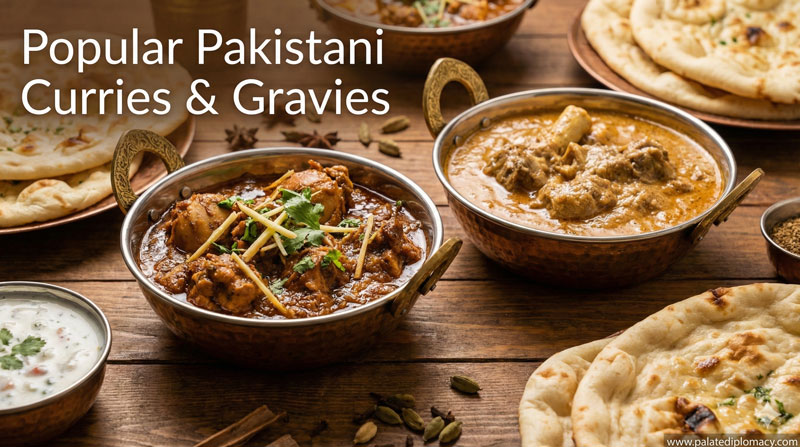
Chicken karahi is more than a dish—it is a celebration of shared meals and everyday generosity. In homes and eateries across Pakistan, the scent of simmering tomatoes, garlic, ginger, and spices travels through rooms Like a friendly invitation. Families gather around a karahi, the pan doing the talking with its lively sizzle and bright, sunny colors. The dish embodies a warmth that welcomes guests and turns a simple supper into a memory. This is why chicken karahi holds a special place in the country’s Food Culture: it is a living expression of hospitality, craft, and joy.
The Karahi: A Pan with Personality
The name karahi refers to the round, deep cooking pan that gives the dish its character. The pan concentrates heat in a way that helps spices bloom quickly, delivering bold aroma in minutes. Chefs move with efficiency, keeping the sauce brisk and glossy. In many kitchens, the pan’s edge catches the light as the tomatoes soften and the oil separates, signaling that flavor has formed a confident base. The karahi’s design invites a fast, focused style of cooking that suits lively gatherings and everyday family meals alike.
The Flavor Weaves: Chicken, Tomatoes, and Spices
At the heart of the dish is a simple trio that feels bright and complete: tender chicken, ripe tomatoes, and a chorus of spices. The tomatoes give a tangy sweetness that lifts the meat, while garlic and ginger add warmth. Green chilies provide a gentle kick, balanced by ground cumin, coriander, and garam masala for depth. Fresh herbs, such as cilantro, finish the dish with a clean, fragrant finish. The balance is approachable yet layered, so each bite carries both comfort and character. This harmony makes chicken karahi versatile for everyday dinners and special occasions alike.
Craft in the Kitchen: Techniques that Define the Dish
Good chicken karahi emerges from technique as much as from ingredients. Start with a hot pan and the right amount of oil to wake the spices. Add garlic, ginger, and whole or ground spices to bloom, releasing their oils. Stir in onions briefly, then tomatoes, letting them soften and meld with the spices. The goal is a glossy sauce that clings to the chicken without becoming heavy. Quick, high-heat cooking helps seal juices and preserve brightness. Finally, garnish with fresh herbs and a squeeze of citrus if desired. These steps create a dish that feels both simple and precise, a mark of careful home cooking and skilled kitchen craft.
A Social Dish: Hospitality in Every Serving
Chicken karahi shines when shared. It arrives at the table steaming, often in the same pan, inviting conversation as much as it invites forks and spoons. It pairs beautifully with breads such as naan or roti, or with plain rice, offering a satisfying balance of textures. The quick pace of the dish Makes It ideal for gatherings, where friends and family mingle while the pot keeps simmering. In many homes, serving chicken karahi becomes an act of care—a way to say “you are welcome here.” This social aspect is a cornerstone of its cultural value, reinforcing bonds through a meal that is comforting, bright, and uplifting.
Regional Echoes: Variations Across Pakistan
Across regions, cooks add their own touch to chicken karahi, reflecting local tastes and ingredients. If chilies are milder nearby, the dish becomes gentler; if peppers are smaller and sharper, the heat may stand out more. Some kitchens favor a touch of fenugreek or kasuri methi for a lingering aroma, while others lean on fresh herbs for a brighter finish. Yet the essence remains the same: a nimble, flavorful dish cooked in a karahi that invites swift sharing. These regional nuances celebrate diversity within a shared tradition, showcasing how a single dish can adapt while keeping its core spirit intact.
The Plate Today: Why It Endures
Today, chicken karahi continues to capture the imagination of cooks and eaters alike. It is accessible, dependable, and deeply satisfying. The dish travels well from bustling street counters to cozy home kitchens, maintaining its appeal in many settings. Its ingredients are approachable, and its technique rewards attention without demanding complexity. In this way, chicken karahi preserves a sense of culinary continuity—an enduring symbol of togetherness, skill, and the joy of good food.