
Why Chicken Karahi Is One of Pakistan’s Most Loved Dishes
Why Chicken Karahi Is One of Pakistan’s Most Loved Dishes celebrates a dish that feels both timeless and welcoming. The recipe centers on harmony—bright tomatoes, fragrant spices, and tender chicken mingling in a glossy sauce. It travels easily from a busy street stall to a cozy family kitchen, inviting everyone to gather, share, and savor. The dish thrives on technique, balance, and a sense of place that many cooks hold dear.
The Fresh Core: Ingredients and Technique
The heart of the dish lies in simple, vivid ingredients. Chicken pieces sizzle in a hot karahi, releasing aroma as they brown. Fresh garlic and ginger perfume the air, followed by chopped tomatoes that soften into a lush sauce. Green chilies add a tuned heat, while a small chorus of spices—cumin, coriander, and a hint of garam masala—gives warmth without overpowering the tomato brightness. A drizzle of oil or ghee coats every piece, helping Create a glaze that clings to the meat. Finally, chopped fresh coriander crowns the dish, bringing a final note of brightness. The method stays direct: sear, bloom the spices, simmer into a saucy finish, and serve hot.
A Pan of Character: The Karahi
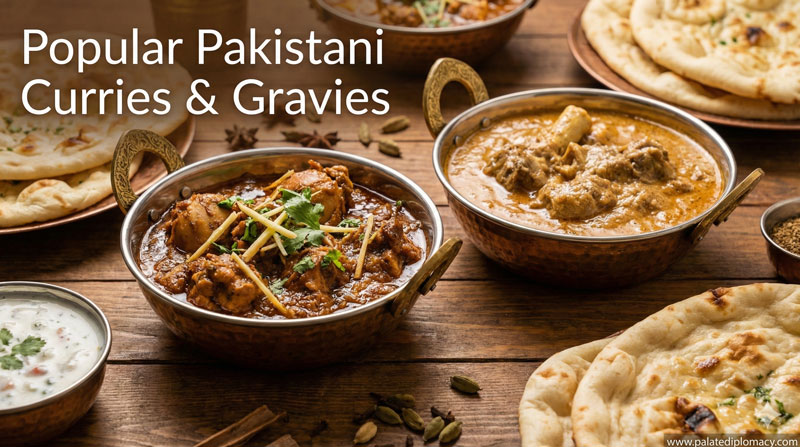
The karahi itself is the stage for this dish. Its wide, circular shape and thick base let ingredients sear quickly while sauces reduce evenly. The pan’s high sides keep the sauce from spilling, so every mouthful is concentrated with flavor. As the mixture cooks, audible sizzles rise and the colors deepen. This helps create a sauce that is both silky and vibrant, a hallmark of authentic chicken karahi. The pan becomes a partner in cooking, shaping the texture and tempo of the dish.
Flavor, Texture, and Color
Expect a balance of tart, sweet, and spicy notes. The tomatoes give a tangy, bright backbone, while the spices add warmth and depth. The chicken stays juicy, taking on the tomato-y glaze without drying out. The sauce thickens to coat each piece, yet remains saucy enough to ladle over bread or rice. The finish is fresh thanks to coriander leaves, with a final pop of heat from green chilies. This combination—tender meat, glossy sauce, and a crisp finish of herbs—defines the charm of the dish.
Social Threads: Sharing and Gathering
Culinary culture around chicken karahi centers on togetherness. Families gather for a comforting, generous meal, where bowls of karahi invite conversation and slow enjoyment. Street stalls and home kitchens alike turn the dish into a social event, a moment to pause, smile, and pass plates around. The act of cooking and serving becomes a shared ritual: the cook tests spice balance, the aroma travels through rooms, and everyone waits for the first fragrant spoonful. In this way, the dish fosters a sense of welcome and continuity.
Regional Echoes: Variations Across Pakistan
Across cities and villages, cooks adapt chicken karahi to suit their pantries and palates. Some prefer a heartier tomato presence, while others lean into a higher spice note. The heat level often mirrors local preferences, and slight changes in spice blends reflect family traditions. Garnishes may vary, with fresh coriander always adding a bright finish. Yet the core idea remains constant: a quick, high-heat cook that preserves tenderness and delivers a vibrant, sauce-forward experience. These subtle shifts keep the dish lively while preserving its essence.
Serving and Presentations
Serve chicken karahi hot, straight from the pan if possible. Accompany it with fluffy naan, soft roti, or steamed basmati rice to soak up the sauce. Offer lemon wedges and thinly sliced onions on the side for a crisp counterpoint. A simple cucumber or tomato salad, known in many kitchens as a refreshing kiss of coolness, pairs well too. The presentation matters little beyond the aroma and color—the dish should invite a mouth-watering anticipation before the first bite.
A Dish for All Seasons
Why does this dish endure? Because it is adaptable, comforting, and deeply rooted in daily life. In busy weeks, it offers a satisfying, one-pan solution. For special gatherings, it becomes a centerpiece around which stories and laughter circulate. The beauty of chicken karahi lies in its ability to feel both ordinary and celebratory at once—an everyday treasure that also shines on special occasions. Its cultural value emerges from the smiles it provokes and the memories it helps create.
If you are new to the dish, start with a modest spice balance and a generous stir to let the flavors meet. If you are revisiting it after a long time, adjust heat and thickness to suit your appetite. Either way, chicken karahi welcomes you to a moment of warmth, flavor, and connection—a dish that truly belongs to the heart of its culinary culture.