
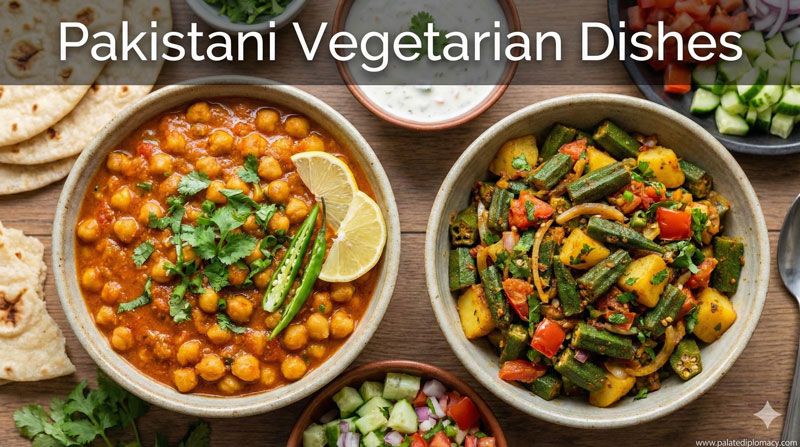
Everything You Need to Know About Chickpea Curry
Chickpea curry is a humble dish with a bright, welcoming presence. It blends pantry staples with fragrant spices to create a comforting meal. This post explores its cultural value and culinary significance. You will see why this curry holds a beloved place in many kitchens.
What Is Chickpea Curry?
Chickpea curry centers on chickpeas, the creamy, nutty legumes. It pairs onions, garlic, and ginger with tomatoes or coconut for a rich base. Spices such as cumin, coriander, turmeric, and garam masala build warmth. Some versions use curry leaves or mustard seeds for a bright note. The method is simple: bloom spices in oil, simmer with aromatics, and fold in chickpeas until tender. The result is a nourishing, flavorful dish that can stand alone or serve as a vibrant part of a larger meal.
Cultural Value in Everyday Life
This curry feels like home. It appears in busy weeknights as a quick, satisfying dinner. It also graces weekend meals and special gatherings. The dish invites sharing, because a steaming pot invites others to spoon, taste, and talk. Its ingredients are approachable, making it a forgiving canvas for cooks of all levels. The aroma signals hospitality and care. In many households, the curry is a familiar ritual—an expression of warmth, balance, and comfort that travels from the pot to the plate.
Regional Variations and Culinary Significance
Across regions, chickpea curry shows local character. In some places, coconut milk adds creaminess and a hint of sweetness. In others, tomato-based gravies provide tangy depth. Mustard seeds, curry leaves, or smoky paprika may appear, reflecting local tastes. The dish adapts with the season and the pantry. Yet the core idea remains: a hearty, legume-based curry that carries a sense of nourishment and welcome. This adaptability highlights the beauty of regional cooking, where a single dish can bloom in many forms while keeping its soul intact.
Flavor Profile and Techniques
The flavor rests on balance. Sweet, sour, salty, and spicy notes mingle with the earthiness of chickpeas. Blooming spices in hot oil releases their essential oils and fragrance. Simmering allows the sauce to thicken and coat each chickpea evenly. A touch of acidity—like lime or tamarind—brightens the finish. Garnishes such as fresh cilantro or a squeeze of lemon lift the dish further. Each technique, from tempering to gentle simmering, enhances texture and aroma.
Pairings and Serving Traditions
Chickpea curry shines with simple accompaniments. Steamed rice offers a neutral base that soaks the sauce beautifully. Flatbreads like roti or naan are perfect for scooping and pairing textures. A dollop of yogurt or a drizzle of coconut yogurt can add cooling contrast. Fresh herbs, a pinch of chili, and lemon wedges brighten the plate. The dish also fits well into vegetarian or mixed-meal menus, providing protein and depth without complicating the cook’s plan.
Home Cooking Tips for Best Results
- Use canned chickpeas for speed or soaked dried chickpeas for a heartier bite.
- Toast spices briefly to unlock maximum aroma.
- Let the curry rest a few minutes after cooking; flavors meld nicely.
- Adjust thickness with a little water or stock as needed.
- Taste and balance at the end with a touch of acidity or salt to suit your palate.
A Dish for All Seasons
Chickpea curry is versatile throughout the year. It complements warm, cool, or festive meals with equal grace. Its cultural value lies in its ability to bring people together around a shared pot. The dish speaks of careful preparation, generous hospitality, and everyday delight. In every bowl, you can sense a long tradition of home cooking, curiosity, and care. This makes chickpea curry more than a meal; it is a small celebration of Food Culture and culinary joy.