
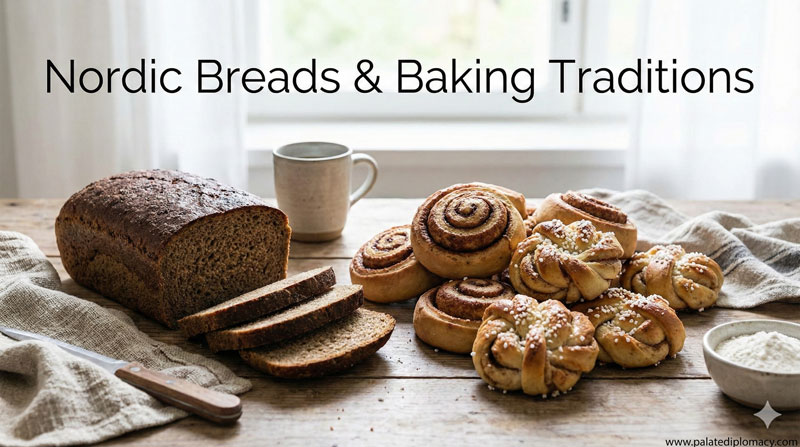
What Cinnamon Buns Are and Why They Matter
Cinnamon buns are a warm invitation: soft dough, spirals of cinnamon-sugar filling, and a gentle glaze. They celebrate balance—airy texture meets rich spice. Yet their appeal goes beyond taste. They anchor daily rituals, spark small celebrations, and become a familiar friend in kitchens and cafes. This post explores their cultural value and culinary significance with an inviting, respectful eye.
A Gentle Ritual: Fika, Coffee, and Community
In many places, cinnamon buns are woven into moments of pause and connection. In Sweden, the cinnamon bun is closely tied to fika, a cherished break for coffee and conversation. The ritual centers on shared time, not hurried eating. The sweet aroma elevates ordinary afternoons into small ceremonies. Similar rituals appear in other regions, where friends and families slow their pace to savor warmth, coffee, and a cinnamon-kissed treat. This social fabric—conversation, comfort, and care—defines the cultural value of the bun.
The Dough: Craft as Care
The dough deserves careful attention. A good cinnamon bun begins with a supple, elastic dough that rises gently. Milk or cream adds tenderness; butter lends richness; a touch of sugar invites color. When rolled and filled, the dough becomes a canvas for aroma and texture. The rolling step carries technique and patience: even thickness aids uniform bake and consistent bite. The result is a pastry that feels both sturdy and delicate, capable of supporting a generous swirl without losing its shape.
The Filling: Cinnamon, Sugar, and Subtle Spice
The filling is the heart’s glow in the cinnamon bun. Ground cinnamon brings warmth and brightness, while brown sugar adds depth and a hint of caramel. Melted butter helps the spices cling to every layer, producing that signature spiral when sliced. Some bakers add cardamom for a soft citrusy note or a pinch of nutmeg for a cozy whisper. The balance matters: too little filling leaves the bun pale inside; too much can overwhelm the dough. Done well, the filling releases fragrant steam as the bun bakes, signaling a comforting moment to come.
The Rolling, Proofing, and Baking: A Quiet Performance
Baking cinnamon buns is a small demonstration of patience and precision. After filling, the dough is rolled into a log, cut into even pieces, and arranged in a pan. Proofing time lets the buns relax and expand, enriching texture and height. Bake time then transforms the layers into a tender, slightly chewy bite with a golden top. The clinking sound of the pan, the rising aroma, and the visual glow of caramelized edges all contribute to the emotional warmth that accompanies a well-made batch.
Regional Variations and Personal Touches
Cinnamon buns travel well, and bakeries adapt them to local tastes. In some places, buns are rolled with a thinner sheet of filling for a lighter bite; elsewhere, a thicker swirl creates a more pronounced cinnamon presence. Some homes glaze buns with vanilla icing for a bright finish, while others leave them plain with a light dusting of sugar. Cardamom, orange zest, or even almond paste can appear in the filling, adding aroma and depth without changing the core experience. This flexibility invites creativity while preserving a shared essence: soft dough, cinnamon heat, and comforting sweetness.
Serving Traditions: Pairings and Occasions
The cinnamon bun shines with coffee or tea, especially when enjoyed slowly. It pairs well with hot drinks that cleanse the palate between bites, enhancing the spice’s warmth. Fresh or slightly warm, the bun is a welcoming accompaniment to conversations, study sessions, family gatherings, and weekend rituals. In many kitchens, a plate of cinnamon buns becomes a sign of hospitality and care, inviting guests to linger a moment longer.
Cultural Values: Craft, Sharing, and Delight
Beyond flavor, cinnamon buns embody several cultural values. They reward careful technique and patient waiting, teaching that good things arrive with time. They encourage sharing—baking for loved ones, offering a plate to neighbors, or enjoying a slowly savored treat with friends. They also celebrate daily joy: a simple pastry can lift a routine afternoon into a memorable moment. In cafes and bakeries, the bun stands as a bridge between craft and community, inviting people to pause, savor, and connect.
Quick Guide for Home Bakers: Getting It Right
- Start with a soft, well-kneaded dough and a gentle raise.
- Mix a balanced filling: cinnamon, brown sugar, and butter in harmony.
- Roll evenly; cut with a sharp knife to keep the layers intact.
- Allow enough proofing to bloom, then bake until the top is lightly golden.
- Finish with a glaze or a light icing if desired, or enjoy warm with a dusting of sugar.
- Experiment, but keep the core idea: a tender dough, a fragrant swirl, and patient attention.
A Dish as a Shared Heritage
Cinnamon buns are more than a pastry; they are a shared language of warmth and welcome. They appear in homes, cafés, and celebrations, carrying memories of breakfasts, study breaks, and casual chats. Their versatility makes them a universal comfort while their regional flavors keep local traditions alive. In every bite, there is a story of craft, patience, and community.
Final Thoughts: Beauty in Everyday Baking
The beauty of cinnamon buns lies in their simplicity and generosity. They invite skilled hands and curious minds, rewarding both with a scent that travels beyond the kitchen. As a cultural and culinary touchstone, they remind us that food can soften the day, strengthen connections, and elevate ordinary moments into something comforting and lasting. Whether you bake for yourself or share with others, these spiraled treats celebrate the love of good dough, thoughtful filling, and the joy of coming together.