
Everything You Need to Know About Cinnamon Buns
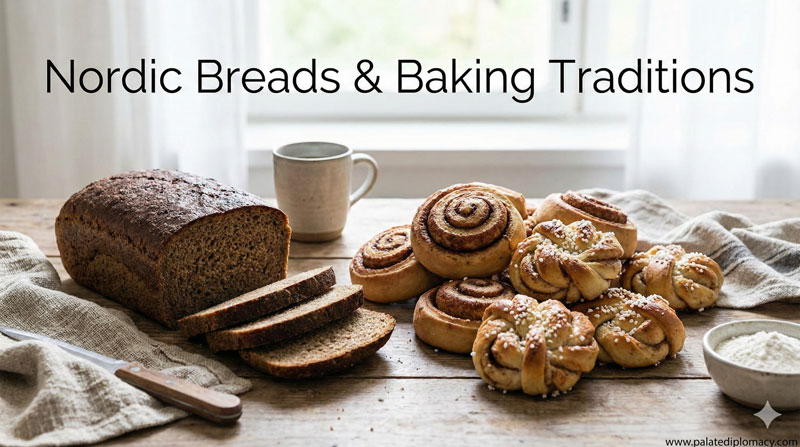
Cinnamon buns are more than a pastry; they are a small cultural event. The spiral reveals butter-rich layers, brown sugar, and cinnamon. The aroma invites memory and conversation. This post explores their cultural value and culinary significance, inviting you to savor the moment when a warm bun meets a quiet corner of the day.
A Nordic Heritage and the Fika Moment
In Nordic homes, mornings and tea breaks are moments to pause, share, and savor. Fika is the gentle ritual of coffee, conversation, and a sweet treat. Cinnamon buns fit this rhythm, turning ordinary routines into small celebrations. They symbolize hospitality, comfort, and the joy of taking time for one another.
Texture, Balance, and Craft of Dough
The dough carries a delicate sweetness, with yeast lifting the crumb into lightness. When spread with a cinnamon-sugar filling, the spiral traps warmth and aroma. The finish delivers a glossy top and a tender interior, a result of careful kneading, rolling, and patience.
The Cinnamon Flavor Story
Cinnamon provides a warm, aromatic note that lingers. Butter and brown sugar add depth, moisture, and caramel brightness. The balance of spice, sweetness, and pastry texture creates a comforting harmony that many celebrate as a signature of its cultural charm.
Social Rituals: Morning Treats, Coffee, and Community
Across households and cafés, a cinnamon bun often marks a shared moment. People pass plates, trade bites, and linger over conversations. The act of enjoying a warm bun becomes a small, inviting ceremony that strengthens everyday social ties.
Regional Variations and Modern Interpretations
In Sweden, the kanelbulle is a celebrated staple, often tied to a national taste for balance and aroma. Finland offers korvapuusti, a version touched by cardamom and a soft, fluffy crumb. Denmark presents kanelsnegl, typically richer and optionally glazed. In the United States, cinnamon rolls vary from soft, gooey centers to more structured spirals with cream cheese icing. Across regions, bakers honor the core elements—cinnamon, dough, and warmth—while exploring slight regional twists that keep the dish vibrant in contemporary kitchens and bakeries.
Techniques that Honor Tradition
Tradition centers on gentle handling and respectful fermentation. Bakers spread an even filling, roll with care, and give the dough space to rise before baking. The goal is a harmonious swirl where cinnamon pockets stay intact and the crumb remains tender. These choices honor a craft that values patience, balance, and the sensory joy of aroma and texture.
Pairings, Presentation, and the Scent of Home
A cinnamon bun earns its place beside a steaming cup of coffee or tea. A light glaze can echo the glaze that appears in some versions, while others rely on a dusting of sugar or a simple milk-sugar finish. Plating matters too: a warm bun on a simple plate, perhaps with a napkin and a shared space at the table, invites appreciation for the dish’s comforting beauty.
Looking Ahead: The Gentle Art of Baking Together
Cinnamon buns remain a bridge between home and café, past and present. They teach us that warmth, aroma, and a well-rolled idea can bring people together. By cherishing the craft and sharing the bake, we keep a delicious tradition alive for future bakers and listeners alike.