
Everything You Need to Know About Cinnamon Buns
Cinnamon buns are more than a pastry. They carry a sense of warmth, shared moments, and a quiet celebration of craft. This post explores their cultural value and culinary significance, from dough to table, in a tone that honors tradition and everyday joy.
What Are Cinnamon Buns?
Cinnamon buns are tender, airy rolls rolled with a cinnamon-sugar filling and finished with a glaze or icing. The dough is usually enriched with milk, butter, and sometimes eggs, giving it a soft crumb and a gentle richness. The spice blends center stage in the filling, where cinnamon’s sweet-tinged warmth meets brown sugar and melted butter. The result is a pastry that rises with patience, releases an inviting aroma, and invites people to pause and share. Simple ingredients, steady technique, and thoughtful timing make cinnamon buns resonate across kitchens and cafés alike.
A Nordic Tradition: Fika and Flavor
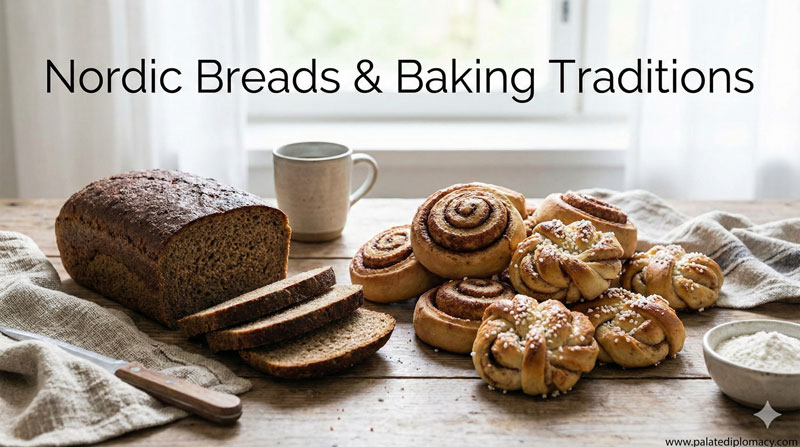
In Nordic culinary culture, cinnamon buns hold a cherished place in daily life. They frequently appear during fika, a ritual of coffee and conversation that values taking a moment to breathe and connect. The scent of freshly baked buns fills homes and bakeries, creating a sense of welcome. This practice elevates baking from a routine task to a social moment. The buns themselves become symbols of comfort and hospitality, inviting people to gather, chat, and enjoy a small, sweet luxury together. In this context, flavor is paired with time: the slow rise of dough, the careful roll, and the patient bake all contribute to a sensory memory that feels both familiar and uplifting.
The Craft of the Dough: Techniques and Texture
The Heart of a great cinnamon bun is its dough. A good dough balances tenderness with structure, so the rolls stay soft yet hold their shape. Yeast and sugar feed the lift, while milk and butter soften the crumb. Kneading develops gluten, and resting allows the dough to relax and expand. Rolling the dough evenly ensures a uniform bite, while the cinnamon-sugar filling must be spread with care to guarantee even sweetness. The final bake should produce a golden top, a moist interior, and a gentle sheen from the glaze or butter glaze. Craft here is about consistency and patience, two qualities that elevate a simple pattern of layers into a beloved treat.
Filling, Glaze, and Texture: The Flavor We Cherish
The filling is where the cinnamon’s character shines. Melted butter, brown sugar, and cinnamon mingle to create a rich, caramel-tinged swirl. Optional touches—such as a hint of cardamom, a squeeze of vanilla, or a handful of raisins—add depth and personality. The glaze or icing caps the experience, offering a light sweetness that complements the warmth of the spice. Texture plays a key role too: a well-made bun balances a slightly crisp edge with a soft, pillowy center. Each bite delivers comfort, a reminder that good pastry can be both simple and deeply satisfying.
Variations Across Regions: From Soft to Sticky
Cinnamon buns appear in many forms, each reflecting local preferences and bakery traditions. In Sweden, the classic kanelbulle often features a dash of cardamom in the dough and a generous cinnamon filling, praised for its aromatic lift. In North America, you may find buns with richer glazes, more pronounced sweetness, or even nut-studded toppings and sticky variants that emphasize a syrupy finish. Other places offer lighter, dairy-forward versions or buns with extra twists and braids that showcase pastry skills. Across these styles, the core idea remains the same: a rolled, cinnamon-spiked dough that bakes into a shareable, comforting pastry.
Culinary Significance: Skills, Seasons, and Celebrations
Cinnamon buns symbolize culinary craftsmanship in homes and bakeries alike. They reward careful technique—from kneading and rolling to timing the rise and bake. They also capture the rhythm of the seasons: a warm smell in the oven signals gatherings, birthdays, holidays, and casual afternoons with friends. The dish invites bakers to practice patience, savor aroma, and present something beautiful and edible. When shared, cinnamon buns become more than taste; they become a moment of connection, a signal that a space has become hospitable and welcoming.
Pairings and Presentations: Tea, Coffee, and Social Moments
Pair cinnamon buns with coffee, tea, or a glass of cold milk to highlight their balance of spice and sweetness. Coffee’s bitter edge contrasts nicely with the sugary glaze, while tea can carry subtle spice notes that complement the filling. In cafés, the bun often appears with a simple garnish or a light dusting of sugar, letting the aroma and texture speak for themselves. The presentation matters too: a platter of buns, arranged in neat spirals, invites guests to select a piece and begin a shared moment of tasting and talk.
A Simple Home Guide: Enjoying Cinnamon Buns Today
For home bakers who want to savor the cultural richness of cinnamon buns, focus on three ideas:
– Respect the rise. Allow the dough time to proof, so the interior stays soft and the layers stay distinct.
– Balance heat and time. Bake until the top is golden and the interior is tender, avoiding a dry center.
– Embrace ritual. Use the aroma as a cue for connection—share, reminisce, and enjoy the moment together.
If you follow these principles, you’ll experience the same sense of warmth that cinnamon buns bring to communities around the world.
Closing Thoughts: The Universal Comfort of Cinnamon Buns
Cinnamon buns celebrate more than flavor; they honor a shared practice of baking, waiting, and gathering. They bridge kitchens, cafés, and tables with a universal invitation: take a moment, breathe in the spice, and enjoy the company around you. From the soft crumb to the glossy glaze, the appeal is enduring. In every bite, there is a story of care, craft, and community—an everyday luxury that keeps Food Culture alive and evolving, one fragrant roll at a time.