
Introduction
How Cinnamon Buns Reflects Nordic Food Culture is more than a pastry. It is a window into a warm, thoughtful approach to baking, sharing, and daily life. In this post, we explore its cultural value and culinary significance. We will see how the dough, the spice, and the ritual of enjoying them together reveal a distinctive Nordic sensibility. The focus stays on taste, memory, and community, not on politics or history beyond the kitchen.
The Craft Behind the Bun
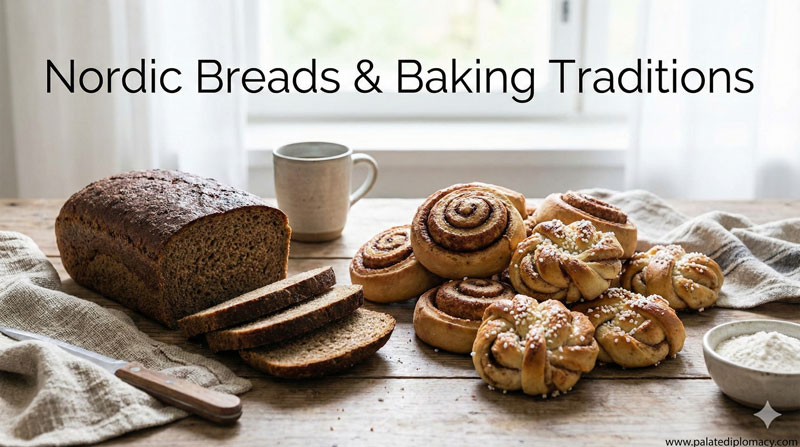
The cinnamon bun starts with a soft, enriched dough. Milk, butter, and a touch of sugar create a tender crumb. Cardamom often wakes the aroma, lending a gentle citrus note. The filling blends cinnamon, sugar, and butter in a smooth, fragrant swirl. Bakers roll, twist, and steady the dough with care. Finally, a glaze or pearl sugar adds a bright finish that catches the eye.
Origins and Naming
Across the Nordic region, similar buns appear with local names. In Sweden, the kanelbulle is a beloved symbol of fika, the everyday coffee break. In Norway and Denmark, variants such as kanelsnegle or kanelsnegl share the same warm spice and buttery texture. The common thread is a kitchen craft that invites calm, conversation, and a moment of pause. These buns celebrate everyday life as well as festive gatherings, making the name reflect a shared practice.
Seasonal and Social Role
Cinnamon buns shine in daily rituals. They pair with a hot cup of coffee or tea and provide a comforting anchor during a busy day. In many homes, a tray of buns signals connection—children, colleagues, and friends gather, chat, and savor. Seasonal varieties appear in winter markets and family reunions, where the scent of cinnamon fills the room. The act of baking and sharing reinforces a quiet, welcoming culture.
Texture, Flavor, and Pairings
The texture is the star. A soft, fluffy interior contrasts with a slightly crisp edge. The cinnamon paste delivers warmth without heaviness, while butter enriches every bite. Cardamom lifts the aroma, giving depth and brightness. Serve buns warm for the best aroma and mouthfeel. Pair them with coffee, milk, or a glass of cold water to refresh the palate between bites.
Regional Variations
Sweden emphasizes the fluffy core and a generous cinnamon swirl, often crowned with pearl sugar. Denmark favors a slightly crisper edge and a richer sweetness in some versions. Norway blends spice with a robust yeast flavor and sometimes hints of vanilla. Each variation reflects local pantry habits and seasonal produce, yet the core idea stays the same: a small, fragrant roll that invites sharing. These regional touches show how a single idea can bloom into diverse expressions while staying true to Nordic sensibilities.
Modern Twists and Preservation
Modern bakers explore whole-grain flours or sourdough starters to deepen texture and nutrition. Some offer vegan fillings or plant-based butter substitutions, retaining the aroma and creaminess. Fermentation time is balanced with speed for everyday baking as well as special occasions. The result is a timeless pastry that adapts to contemporary kitchens without losing its essence. In this way, How Cinnamon Buns Reflects Nordic Food Culture remains rooted yet evolving.
Serving, Presentation, and Mindful Enjoyment
Present buns on a simple, clean plate to highlight their warmth and color. A light dusting of sugar or a subtle glaze can catch the light and invite a closer look. Sharing buns with guests or family creates a welcoming atmosphere that honors hospitality. The ritual matters as much as the bun itself: the pause, the conversation, and the warm fragrance that rises from the tray.
Conclusion
In the journey of How Cinnamon Buns Reflects Nordic Food Culture, the bun stands as a quiet emblem of care, craft, and community. It shows how a small dish can embody a region’s approach to life: patient, warm, and generously social. The cinnamon bun remains a cherished part of Nordic eating, inviting everyone to slow down, breathe in the spice, and enjoy a moment of connection.