
Introduction
Cinnamon buns are more than a sweet treat. In Nordic kitchens, they carry a gentle elegance that mirrors the region’s approach to food. The dish speaks of warmth, careful craft, and everyday hospitality. Reading its layers offers a small window into Nordic food culture. This post celebrates the cultural value and culinary significance of cinnamon buns, with attention to technique, tradition, and shared moments around the table.
The Nordic Baking Ethos
At the heart of Nordic baking lies simplicity paired with attention to quality. The ingredients are familiar: flour, butter, milk, sugar, cinnamon, and a pinch of spice. Yet each element is chosen with care and respect. Butter is folded into the dough to create tenderness. Yeast is treated gently, so the dough rises with quiet confidence. The result is a bun that feels both humble and refined. This balance—modest ingredients elevated by thoughtful technique—is a hallmark of Nordic baking.
The Dough Craft and Texture
The dough tells a story of time and temperature. Warm milk invites the yeast to wake; kneading builds gluten and structure. Resting periods give flavor depth and a soft crumb. When you roll the dough, it becomes a canvas for a spiraling swirl of cinnamon and butter. The baking moment seals flavor and aroma, releasing a fragrance that feels Like a welcome home. A well-made cinnamon bun offers a contrast: a soft, airy interior with a gentle, just-wistful crust. This texture is not accidental; it is the result of craft, patience, and a respect for the dough’s natural rhythm.
Fillings, Aromas, and the Allure of Cinnamon
Cinnamon is more than spice here; it is a melody that mingles with butter and sugar. The filling is generous but balanced, allowing the aroma to radiate without overpowering the dough. In many Nordic homes, a hint of cardamom joins the cinnamon, lending a citrus-rose note that lifts the sweetness. As the buns bake, the kitchen fills with a warm perfume that invites conversation and slows time just enough for companionship to thrive. The result is an aromatic experience that enhances the day, not overwhelms it.
Social Rituals: Coffee and Conversation
Around a plate of cinnamon buns, conversations drift pleasantly from daily routines to shared memories. In Nordic culture, coffee moments are important social rituals, and cinnamon buns are often the star of these gatherings. A simple snack becomes a reason to pause, listen, and connect. The ritual is welcoming by design: a plate in the center, cups at hand, and a soft harmony between sweetness and savoriness. This communal aspect is as meaningful as the recipe itself, reinforcing a sense of belonging and care.
Regional Voices Across the Nordics
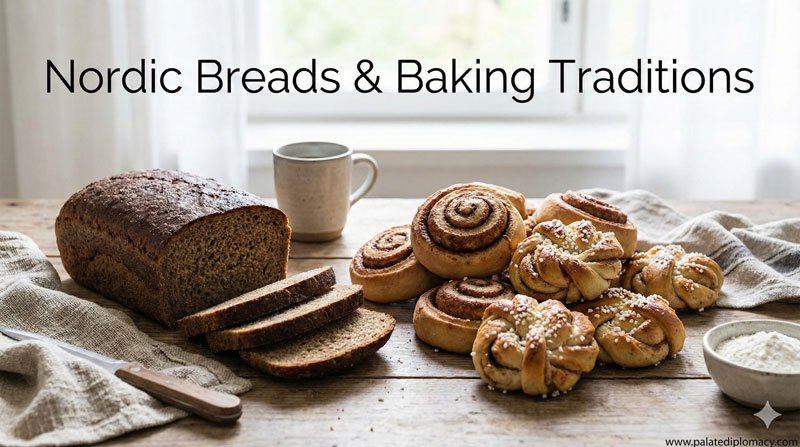
Across the Nordic region, cinnamon buns appear under different names and slight regional twists. In Sweden, the classic kanelbulle celebrates cinnamon with a soft, rounded shape. In Finland, korvapuusti brings a touch of local spice and a distinctive fold. Denmark offers kanelsnegl, often with a rich, glossy finish. Norway includes its own variations, where bakers may adjust sweetness or spice to suit local palates. Despite the differences, the shared love for a comforting, well-made bun unites these kitchens. The diversity is a strength, revealing how tradition adapts while staying true to core values of quality, warmth, and hospitality.
Aesthetic Grace: Shape, Glaze, and Presentation
The visual appeal of a cinnamon bun matters as much as its taste. The spiral pattern reveals the careful layering of dough and filling, a small work of edible art. A glaze or a light sugar dusting adds a gentle shine that catches the eye. The presentation is neat, inviting, and comforting—a reflection of Nordic aesthetics that favor clean lines, balance, and a sense of order. When plated with care, the buns become a centerpiece of conversation as well as flavor.
Modern Interpretations and Adaptations
Today, many bakers sustain tradition while inviting innovation. Some add subtle twists—a touch of salt in the dough, a citrus zest in the filling, or a glaze that glimmers with vanilla. Others experiment with different grinds of cinnamon or with porridge-like fillings that add a soft contrast. Yet the core remains clear: cinnamon buns are a medium for warmth, shared experience, and skilled technique. This balance between reverence and creativity keeps the dish alive and relevant in contemporary Nordic cuisine.
Tips for Home Baking and Serving
- Plan for patience: allow the dough to rise slowly for depth of flavor.
- Use good butter and fresh cinnamon to maximize aroma.
- If you like a brighter note, add a pinch of cardamom to the filling.
- Let the buns cool slightly before glazing to achieve a polished finish.
- Serve with coffee or tea, and enjoy the moment of pause.
- Present with a clean plate, a neat stack, and a smile.
- For a Nordic table, place a few buns in varied shapes to reflect regional flair.
Conclusion
Cinnamon buns embody a refined yet welcoming dimension of Nordic food culture. They celebrate craft, seasonal ingredients, and the everyday joy of sharing something sweet. The swirl of dough, the warmth of the spice, and the ritual of coffee together create a small but meaningful ceremony. In every bite, you taste tradition, generosity, and the beauty of well-made food. This is why cinnamon buns endure as a cherished part of Nordic culinary life—an invitation to pause, savor, and connect.