
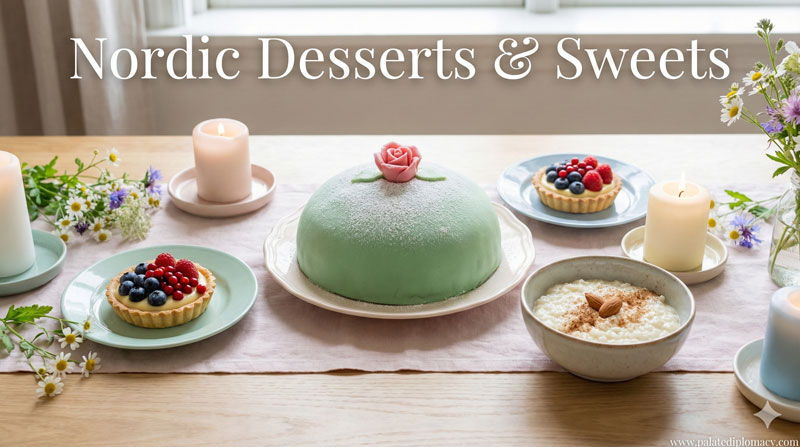
Discovering the Delight: An Introduction to Berry Tarts
Discover the Clean Flavors of Berry Tarts. This dessert invites readers to pause and savor the bright kiss of fresh fruit, a crisp crust, and a gentle glaze. The dish is more than a sweet treat; it is a small stage where cultural habits, shared meals, and artistic technique meet. In every bite, we sense a conversation between seasonality, craft, and hospitality. The result is a dessert that feels both modern and timeless, welcoming to kitchens of many styles and traditions.
The Cultural Value of Berry Tarts
Berry tarts have a clear role in many meals and gatherings. They appear at celebrations of harvest, at quiet moments with tea, and at casual get-togethers where laughter and conversation flow as easily as the cream and berries. This dish embodies hospitality: it invites guests to slow down, to notice the colors of the fruit, and to appreciate the care that goes into pastry and plating. It also reflects a respect for quality ingredients. When berries are at their peak, the tart becomes a tribute to the fruit’s natural sweetness and bright acidity.
The cultural appeal of this tart is its accessibility and elegance. It does not demand grand ceremony to feel meaningful. A simple table becomes a stage for a refined, shared experience. Across kitchens, from family homes to small bakeries, the tart travels through memory and routine. It is a canvas for personal touch—whether a family member folds in a favorite berry, or a baker adds a subtle lemon zest to heighten the fruit’s scent. In this way, the berry tart supports a sense of place and belonging, while inviting curiosity about technique and presentation.
The Culinary Significance: Techniques and Flavors
Culinary significance lies in balance and technique. The tart showcases how contrasts—crisp pastry, creamy filling, and juicy fruit—work in harmony. The crust provides structure and a gentle, nutty backdrop that lets the berries shine. The filling, often a light cream or custard, offers a smooth counterpoint to the tart bite of the crust. Together, they create a texture mosaic that readers and tasters remember.
The berry topping is where flavor choice matters most. Sweetness is tempered by berry tart acidity, and a brief glaze adds a glossy finish that catches the eye. This glaze is more than decoration; it seals a little fruit juice, intensifying aroma and color while preserving a lucid, clean fruit flavor. In this way, the dish teaches a principle of restraint: the component flavors remain distinct, yet they combine into a cohesive and refreshing whole.
From a technique perspective, the berry tart highlights essential pastry skills: a well-relaxed dough, careful blind baking, precise proportions, and clean knife cuts that reveal even layers. The result is a dessert that travels well from kitchen to table, maintaining form and beauty. It is also a versatile platform. Chefs and home bakers adapt the filling and crust to reflect local tastes, seasonal berries, or dietary preferences, without losing the dish’s core balance. This adaptability underscores its culinary significance: a classic that invites inventive expression.
Seasonal Harmony and Local Ingredients
The heart of the berry tart often rests in seasonal fruit. When berries are freshest, their flavors are most vivid, and the tart can be prepared with minimal sweetness yet maximum brightness. This connection to the harvest reinforces a sense of time and place. Markets become stages where color, aroma, and texture mingle, and the tart serves as a gentle ambassador for local produce. By choosing berries at their peak, cooks honor growers and the seasonal cycle, while elevating the dining experience.
Seasonal harmony also shapes the tart’s narrative in everyday life. A spring selection of berries might yield a lighter, almost citrusy glaze, while summer fruit can enrich the filling’s complexity with subtle almond or vanilla notes. The fall collection could lend a warmer hue and a touch more depth in flavor. Each season offers a new interpretation, yet the structure remains the same: crisp crust, tender filling, and fresh fruit on top. This predictability is comforting; it allows people to anticipate a familiar pleasure while savoring the unique flavors each season brings.
In addition, the tart encourages mindful sourcing. When cooks seek berries from nearby growers, they support A Local economy and reduce environmental impact. The resulting dish carries a sense of care for the land and for the hands that harvest it. Thus, the berry tart becomes not only a treat but also a small act of thoughtful living.
Presentation, Ritual, and Shared Moments
Presentation matters in food culture, and berry tarts lend themselves to pleasing, accessible displays. A clean, gleaming surface of fruit arranged in a circular pattern or scattered with color-rich varieties can communicate freshness and artistry at a glance. The glaze adds a shimmering finish that catches the eye, inviting a closer look and a deeper inhale of aroma.
Rituals around the tart often center on sharing. Slicing the tart into even portions and placing pieces on a platter becomes a gesture of care. The accompanying drinks—tea, coffee, or a light sparkling beverage—frame the tasting as a small ceremony. In this setting, the dessert becomes more than sustenance; it is a moment of connection, conversation, and appreciation for craftsmanship. The berry tart supports a welcoming atmosphere where people feel invited to pause, observe the colors, and relish the clean flavors with gratitude.
Modern Expressions in Today’s Kitchens
Today’s kitchens explore new expressions of the berry tart while honoring its core identity. Bakers experiment with crust textures, from traditional shortcrust to heartier options that accommodate different dietary needs. Fillings may use dairy, dairy alternatives, or even dairy-free custards, while keeping the aim of a light, balanced flavor. Toppings range from a simple scatter of berries to delicate drizzles of fruit glaze or citrus zest. These variations demonstrate the dish’s versatility and its ability to adapt to evolving tastes without losing its essential charm.
In addition, the berry tart often appears in menu rotations and seasonal showcases in cafés and patisseries. Its straightforward elegance makes it a reliable choice for chefs who want to present a dessert that feels refined yet approachable. The focus on fresh fruit, clean flavors, and precise technique resonates with contemporary culinary values, including transparency of ingredients, respect for fruit quality, and an appreciation for artisanal pastry craft.
Conclusion: A Timeless Celebration of Flavor and Craft
The Discover the Clean Flavors of Berry Tarts offers more than a sweet bite. It embodies cultural values of hospitality, seasonal awareness, and shared pleasure. It highlights culinary significance through its balance of texture, flavor, and presentation. The tart is a canvas for local ingredients, a stage for technique, and a bridge between everyday cooking and the artistry of pastry. In every slice, we glimpse a reminder of how simple components—crust, cream, and berries—can come together to create something memorable, inviting, and deeply satisfying. This is the enduring appeal of berry tarts: a timeless, welcoming dessert that honors the beauty of fresh fruit and the craft of those who shape it.