
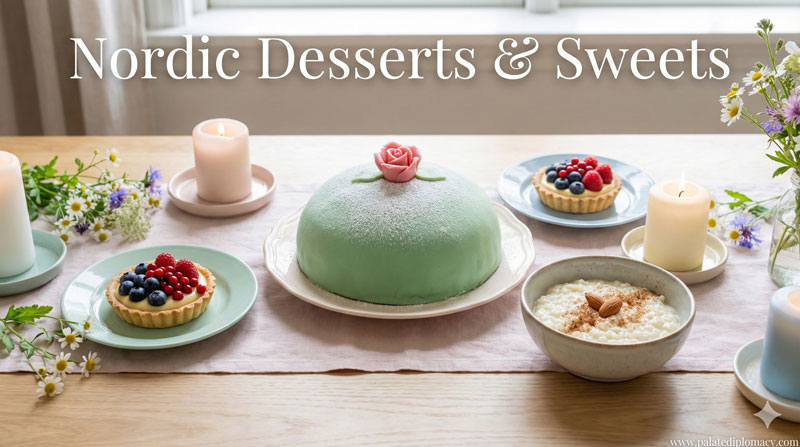
Discover the Clean Flavors of Berry Tarts
Berry tarts embody a moment when simplicity and care meet. They celebrate bright fruit and a tender crust with calm, confident flavors. This dish holds cultural value through daily rituals, seasonal menus, and the craft of bakers and home cooks alike. It invites people to slow down, notice color and aroma, and share something sweet. In this post, we explore the beauty and significance of berry tarts across kitchens and communities.
The Palette of Berry Varieties
The flavors of a berry tart come from the fruit itself. Different berries offer distinct notes, textures, and levels of sweetness. Strawberries add a sunny, fragrant sweetness. Blueberries bring a cool, juicy bite. Raspberries offer a tart sparkle that lingers. Blackberries contribute depth and a slightly earthy finish. Currants and gooseberries can introduce a bright, citrusy lift. Each variety reflects local growing seasons and regional tastes. When bakers choose among berries, they honor harvest rhythms and the natural character of the fruit. The result is a tapestry of color and flavor that feels honest and fresh.
The Crust and Craft
The crust forms the quiet backbone of a berry tart. A well-made shortcrust pastry provides a crisp, buttery frame that contrasts with the juicy fruit. Some bakers prefer a pâte sucrée for a slightly sweeter, tender bite. Others use a light puff pastry for a airy, flaky edge. The guiding principle is balance: the crust should support the filling without overpowering it. Quality butter, careful chilling, and precise rolling matter. When the crust bakes evenly, it yields a polite snap that invites a second bite. The craft here is clear: technique and patience translate into texture and taste.
Filling Harmony and Texture
Inside the crust, the tart fills with harmony. A smooth custard or cream layer can add richness without heaviness. Vanilla, lemon zest, or a whisper of almond deepens the fruit’s character. Some versions feature a subtle cream cheese layer for a gentle tang. A light glaze, often apricot or berry, seals the fruit with a glossy finish. This glaze helps preserve moisture and enhances shine. The balance between filling and fruit is crucial. When done well, each bite blends brightness, sweetness, and a touch of tartness in easy, comforting rhythm.
Seasonal Rhythm and Community
Berry tarts resonate with seasonal markets and family kitchens. They appear when berries are at their peak, often accompanied by fresh herbs or edible flowers. The dish becomes a small festival of color on the plate. In homes and cafés, preparing berry tarts invites conversation about harvests, cooking traditions, and shared meals. The ritual of selecting ripe fruit, rolling dough, and patiently baking creates a sense of continuity. This rhythm connects cooks, farmers, and diners in a simple, joyful way.
Techniques and Care
Attention to technique elevates berry tarts from good to memorable. Blind baking prevents a soggy crust and keeps the crust crisp. Proper docking and chilling help the dough maintain its shape. Gentle handling preserves a tender crumb and neat edges. Precision in slicing berries ensures even flavor and presentation. A careful glaze adds gloss without heaviness. The technique, practiced over time, becomes a language of care that many bakers use across generations and kitchens.
Presentation and Aesthetic
Presentation matters as much as palate. A berry tart welcomes the eye with vivid color and neat arrangement. Sliced fruit laid in concentric rings or arranged in a collage can create a focal point. A light dusting of powdered sugar adds a finishing touch. Fresh mint, lemon zest, or a delicate edible flower can brighten the plate. The visual aspect amplifies the sensory experience, inviting people to pause and savor. In this way, the tart becomes a small celebration of beauty and craft.
Berry Tarts Across Kitchens
Across kitchens worldwide, bakers adapt berry tarts with local sensibilities. They use available berries, regional crust styles, and preferred fillings. The result is a family of tarts that shares a core idea—bright fruit resting on a tender crust—but expresses regional flavors. This global thread highlights how culinary traditions meet modern tastes. The berry tart stands not as a single recipe, but as a living idea that travels and evolves with cooks and communities.
Pairings, Occasions, and Hospitality
Berry tarts shine in many settings. They pair nicely with tea, coffee, or a light sparkling drink. They suit afternoon gatherings, weekend brunches, and dessert courses after a meal. The tart also travels well to potlucks and celebrations, where it invites sharing and conversation. Each serving becomes a moment of hospitality, welcoming guests with color, fragrance, and a comforting sweetness. The social aspect—sharing a slice and a story—adds to the dish’s cultural resonance.
A Gentle Conclusion
In its clean flavors and thoughtful textures, the berry tart offers more than sweetness. It reflects seasonal life, craftsmanship, and the pleasure of sharing well-made food. The crust, the filling, and the fruit work together to honor harvest, kitchen skill, and community spirit. This dish embodies a quiet beauty that appeals to the senses and to the heart. By appreciating its cultural value and culinary significance, we celebrate a dessert that invites care, attention, and connection—one bright slice at a time.