
Introduction to the Dish
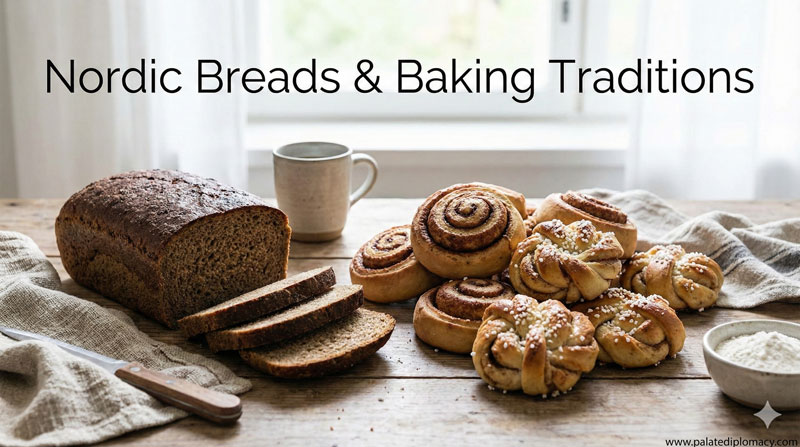
Discover the Clean Flavors of Rye Bread invites readers to notice a quiet, confident loaf. This bread centers on rye flour, water, salt, and time. The process honors patience, as the dough rests, ferments, and slowly relaxes into depth. The finished loaf offers a crisp crust, a tender crumb, and a calming aroma. It celebrates everyday ingredients with grace and purpose.
Core Qualities of Rye Bread
Rye flour brings a distinct character. It delivers a grainy sweetness and a light tang that stays with the palate. Unlike some white breads, rye offers a denser crumb and a brighter aroma when doughs are fermented well. Additions such as caraway seeds or seeds from sesame and flax can elevate the scent and texture. The result is a bread that feels wholesome and honest, yet refined enough for special meals.
Techniques that Shape Flavor
Crafting this bread blends science and artistry. Start with the right water temperature and hydration. Mix until the dough forms a cohesive, slightly sticky mass. Allow it to rest and ferment, then fold gently to strengthen the structure. Shape with care, so the loaf rises evenly and develops a balanced crust. Bake with a hot start to create a glossy, flavorful crust. Each step emphasizes clarity of flavor and a clean finish.
Texture, Aroma, and the Sensory Experience
The crust crackles softly as the loaf cools, inviting a first bite. Inside, the crumb stays moist yet airy, with a sturdy bite that holds toppings well. The aroma blends nutty notes with a gentle tang, and a whisper of rye sweetness lingers. This combination Makes It versatile for many meals, from breakfast to dinner, without overpowering other flavors on the plate.
Pairings and Everyday Moments
Pair this rye bread with creamy butter for a simple morning treat. It complements cheeses, pickles, and smoked fish with elegance. A hearty soup or stew gains warmth when served with a thick slice. For lunch, a rye bread sandwich shines with fresh vegetables and a light spread. These pairings highlight the bread’s clean flavors and its ability to harmonize with a wide range of ingredients.
Cultural Value and Culinary Significance
Rye bread holds a beloved place in many kitchens. It stands as a reliable companion for daily meals and special gatherings alike. Bakers appreciate its resilience and the way it rewards patience. In family kitchens, a loaf can symbolize care and continuity, passed from one bake to the next. In bakeries and markets, its presence signals thoughtful craft and attention to detail. The dish reflects a tradition of simplicity that values texture, aroma, and balance. It shows how a few ingredients, treated with respect, can become a memorable part of the table.
Tradition, Craft, and Community
This bread connects cooks and diners through shared technique and appreciation. From home kitchens to neighborhood bakeries, the process teaches precision and kindness. It invites bakers to observe how small adjustments—hydration, fermentation time, or spice—shape the final loaf. The result is a bread that feels both familiar and fresh, enriching meals with its steady, comforting presence.
A Global Yet Gentle Favorite
Across kitchens, rye bread demonstrates versatility. It holds its own beside hearty toppings, yet it remains light enough to enjoy on its own. Its clean flavors invite curiosity and experimentation, encouraging cooks to explore how different grains and seeds alter texture and aroma. In this way, the dish becomes a bridge among cooking traditions, inviting everyone to savor the same core ingredients in new ways.
Conclusion: Embracing Simplicity and Skill
Discover the Clean Flavors of Rye Bread invites you to celebrate simplicity done well. The dish highlights how careful technique, mindful fermentation, and thoughtful pairings elevate everyday bread. It stands as a quiet testament to culinary craft and to the joy of sharing a thoughtfully baked loaf with others. Let this rye bread inspire calm, curiosity, and a deep appreciation for the beauty found in straightforward ingredients.