
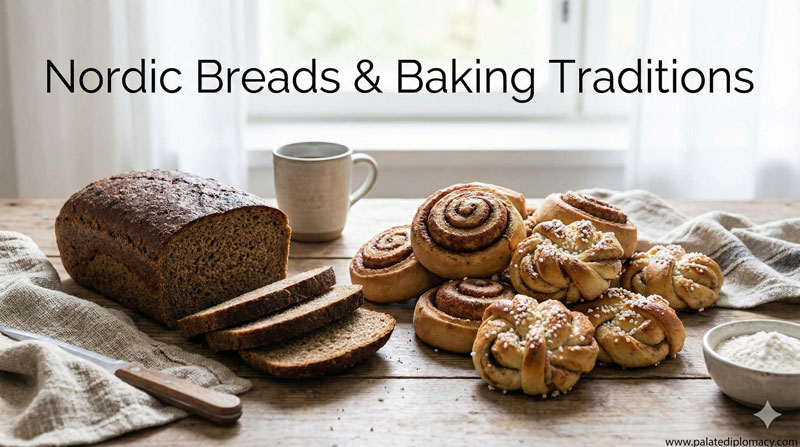
Discover the Clean Flavors of Rye Bread
Rye bread carries a quiet, bright aroma that wakes the palate. Its flavor is clean and distinct, with a gentle tang that comes from careful fermentation. This bread invites curiosity and respect for simple ingredients: rye flour, water, salt, and time. In many kitchens, it sits at the center of everyday meals and seasonal gatherings.
The Grain Behind the Flavor
Rye is known for a firm yet tender crumb and a hearty aroma. Its gluten is gentler than that of wheat, giving a denser, more compact loaf. The magic lies in the fermentation process, which heightens depth and balance. A touch of sweetness from malt or molasses can lift the rye’s earthiness without masking it. When seeds like caraway or fennel are added, the loaf gains a subtle, aromatic chorus that many diners recognize and savor.
Techniques That Shape the Crust and Crumb
Long, patient fermentation is the Heart of rye bread. A steady starter and careful hydration unlock a clean, bright sourness. Bakers choose blends of rye and wheat to achieve different textures, from sturdy sandwich loaves to lighter, open-crumb loaves. The bake temperature and duration sculpt the crust, giving a mellow, toasted note that complements the crumb. The result is a loaf that carries its flavor with clarity and poise.
Regional Varieties and Cultural Value
Across Europe, rye bread appears in many forms, each reflecting local tastes and techniques. In some traditions, darker, denser loaves emerge from longer, cooler bakes; in others, lighter rye breads glow with a hint of sweetness. The loaf plays a familiar role at breakfast tables, with butter, soft cheeses, or jam. It also accompanies hearty soups and robust dishes, providing balance and texture. This versatility has helped rye bread become a trusted companion in everyday meals and celebratory occasions alike, highlighting the beauty of simple, well-made food.
Flavor Pairings and Culinary Significance
Rye bread brightens soups and stews with its sturdy bite and clean finish. It complements smoked fish, sharp cheeses, pickles, and vegetables, creating harmonious contrasts in flavor and texture. The bread’s tang acts as a bridge between salty and savory notes, elevating each component of a dish. Its presence often signals a careful, thoughtful approach to meals—one that values patience, technique, and the joy of a well-fermented loaf.
Home Baking: A Path to Purity and Craft
Home bakers discover how small choices shape character. Start with a reliable rye flour blend and a lively starter. Maintain consistent hydration and temperature for a steady rise. Taste as you bake, adjusting salt and sweeteners to preserve balance. The process rewards calm focus and attentive care, revealing the bread’s clean, expressive flavor in every slice.
A Welcoming Invitation to the Table
Rye bread invites everyone to pause, enjoy, and share. Its clean flavors and versatile character make it a thoughtful addition to many meals. Whether you bake a loaf at home or savor a slice from a Local bakery, you partake in a tradition that honors craft, seasonality, and the everyday beauty of food.
If you’re exploring ways to highlight rye in your cooking, start with a simple loaf and build from there. A crisp crust, a tender interior, and a memorable aroma await—ready to accompany your favorites and to stand proudly on the table.