
Introduction
Welcome to Everything You Need to Know About Coconut Drops. This charming treat shines with simple ingredients and a bright sense of place. It arrives in kitchens and markets with the aroma of fresh coconut and a hint of sweetness. The dish is approachable, yet it carries a steady cultural heartbeat. Its beauty lies in how a small bite can evoke shared moments, quiet mornings, and festive tables alike.
What Are Coconut Drops?
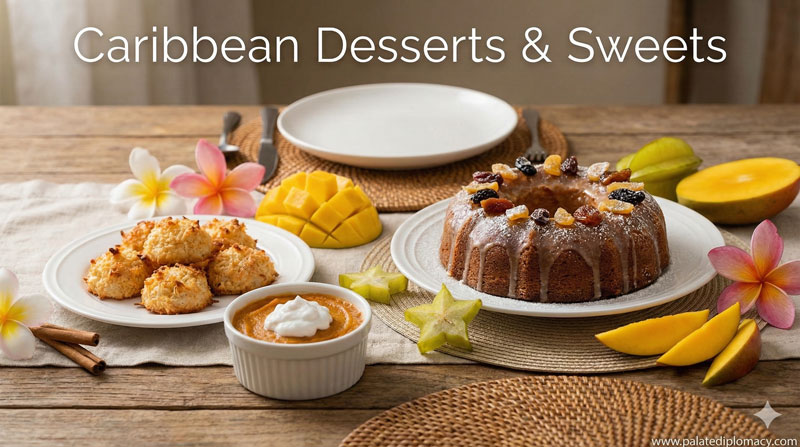
Coconut Drops are small, glossy confections made from fresh or dried coconut, sugar or jaggery, and a touch of water or milk. They come together in a gentle simmer, then cool into soft, bite-sized pieces. Some versions include a whisper of cardamom, vanilla, or citrus zest to lift the coconut’s sweetness. The texture is chewy yet tender, with a clean coconut flavor that lingers pleasantly. They are easy to admire and even easier to share, which is part of their enduring appeal.
Cultural Value and Culinary Significance
Coconut Drops sit at the intersection of daily life and celebration. In many coastal and tropical regions, coconuts are a staple of the pantry and an emblem of everyday abundance. Preparing and sharing Coconut Drops offers a moment of hospitality—a way to welcome guests, mark a simple gathering, or brighten a family milestone. The dish embodies a respect for seasonal ingredients and the quiet craft of turning them into something comforting. Its presence at markets and homes signals a culinary heritage that favors warmth, generosity, and a sense of place.
Flavor, Texture, and Sensory Profile
The flavor is distinctly coconut-forward, lightly sweet, and easy to savor. The aroma is warm and inviting, often carrying a hint of caramel from the sugar. Texture ranges from soft and tender to slightly chewy, depending on cooking time and moisture. The finish is clean, with coconut lingering on the palate. When warmed slightly, the Drops release a comforting, bakery-like scent that makes them appealing as a morning bite or an after-dinner treat.
Techniques and Tradition
The core technique is patient reduction: gently heat coconut with sweetener until the mixture thickens enough to form lumps that hold their shape. Stirring matters, as it prevents sticking and encourages even sweetness. Some cooks opt for a brief rest after cooking, allowing moisture to evaporate and the Drop to set with a glossy surface. Finishing touches—such as a light roll in powdered sugar, a dusting of sesame seeds, or a splash of citrus zest—add personality while staying true to the dish’s humble roots. The result is a confection that respects simple ingredients and the quiet discipline of home kitchens.
Regional Variations Across Coastal Cuisines
Variations exist that reflect local flavors and textures. In some areas, coconut drops incorporate a touch of jaggery for a deeper, molasses-like note. A few versions use pistachio or almond bits for color and crunch. In others, a hint of spice such as cardamom or black pepper widens the aroma profile. Shapes range from neat rounds to tiny pearls or flattened discs, and some preparations drizzle a light syrup for extra gloss. Across regions, these small differences weave a shared story of coconut as a versatile, beloved ingredient.
Serving, Pairings, and Occasions
Coconut Drops pair nicely with tea or light coffee, making them perfect for a quiet afternoon moment. They also fit well on a dessert board or as a sweet note after a savory meal. Serve them at room temperature to preserve their delicate texture. For festive occasions, you can present a tray with a few decorative touches—such as a light sprinkle of citrus zest or a simple sugar dusting—to elevate their visual appeal while keeping the focus on natural flavors.
Tips for Home Cooks
- Use fresh coconut when possible for a bright aroma. If using dried coconut, toast lightly to boost flavor.
- Balance sweetness with your preferred level of sugar or jaggery. Start with less, then adjust.
- Keep the heat steady and low to avoid scorching the sugars and coconut.
- Add a small pinch of salt to heighten flavor, especially if you use unsweetened coconut.
- Experiment with finishing touches, such as a dusting of cardamom powder or a thin glaze of honey for a subtle sheen.
- Cool the drops on parchment to prevent sticking and to preserve their smooth, glossy appearance.
Frequently Asked Questions
- Are Coconut Drops suitable for a quick snack? Yes. They are easy to Make and pleasant to eat any time of day.
- Can I make them in advance? Yes. Store in an airtight container for several days; they keep their texture well in a cool place.
- Are there dietary variations? You can adapt with dairy-free milks or vegan sugars. Adjust flavors to suit dietary preferences.
Closing Thoughts
Coconut Drops celebrate a simple idea: that a few well-chosen ingredients can create something memorable. They honor the everyday joy found in sharing a sweet bite, the way a kitchen fills with scent and memory. By embracing their gentle sweetness, you invite a connection to culinary traditions that honor the coconut, the craft of gentle cooking, and the warmth of hospitality. If you seek a dish that is humble in its origins yet rich in cultural resonance, Coconut Drops offer a clear, inviting path.