
Introduction
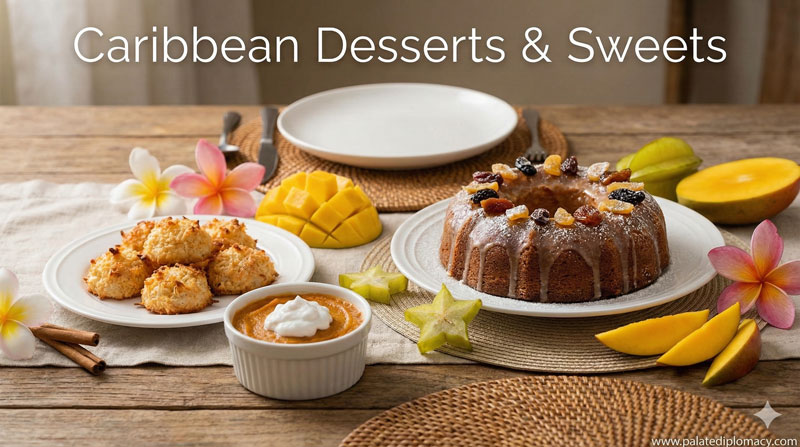
Coconut Drops are a bright hello from Caribbean kitchens. They flash with sunshine-yellow centers and a lightly crisp edge. The aroma of coconut and warm spice fills the air as they fry. These treats are a favorite because they are simple to Make yet deeply comforting. They invite friends and families to pause, share, and savor the moment. In this post, we explore the cultural value and culinary significance of Coconut Drops, focusing on how they live in daily life, markets, and gathering tables.
What are Coconut Drops?
Coconut Drops are small fritters that celebrate coconut in a direct, joyful way. They combine grated coconut, flour, sugar, and gentle spices. The mixture is moistened with milk or water, shaped into little mounds, and fried until golden. Some versions are lighter and airier; others are crisper. The core idea remains the same: a sweet, coconut-forward bite that carries the warmth of the tropics. They can be enjoyed as a snack, a side, or a festive treat during celebrations. Their versatility makes them accessible to home cooks and cherished in street-side stalls alike.
Ingredients and Craft
The heart of Coconut Drops lies in its ingredients. Freshly grated coconut adds texture and a natural sweetness. All-purpose flour or a touch of cornmeal gives structure. Sugar provides a gentle lift, while a pinch of salt balances the flavors. Spices such as nutmeg, cinnamon, or a hint of vanilla deepen the aroma. A splash of milk or water brings the batter together. Some cooks fold in lime zest or a drop of rum for a subtle brightness.
Crafting Coconut Drops is a patient, rhythmic process. Mix dry ingredients first, then add the wet components. The batter should hold its shape but remain tender. Let it rest briefly so the coconut can hydrate the flour. Heat oil to a steady temperature, then drop spoonfuls into the hot fat. Fry until the edges crisp and the centers stay moist. Drain on paper towels, and serve warm. Each step invites attention, turning simple ingredients into a small celebration.
Flavor, Texture, and Aroma
Coconut Drops present a harmonious balance of textures. The exterior achieves a light, delicate crunch, while the inside stays soft and lush with coconut. The flavor is gently sweet, with tropical notes from the coconut and a kiss of warm spice. The aroma rises in waves as they fry, inviting everyone near to taste. A squeeze of lime or a drizzle of honey can brighten the experience, while a plain version lets the coconut shine on its own. The result is a comforting bite that feels both familiar and special.
Cultural Value in Caribbean Kitchens
In Caribbean homes, Coconut Drops are more than a snack. They embody comfort, generosity, and the joy of everyday moments. They often appear in weekend breakfasts, with a mug of hot coffee or tea. They sit at the edge of a dinner plate as a sweet finish, offered to visitors with a welcoming smile. In markets, the sight of coconut shavings, flour in a bowl, and a sizzling skillet signals a gathering of neighbors and friends. Coconut Drops become a shared experience, a small ritual that reminds people to slow down, connect, and enjoy good food together.
Caribbean cooking emphasizes balance and community, and Coconut Drops fit perfectly here. They are easy to prepare but carry a sense of care and craft. The dish invites personal touches—adjusting sweetness, adding a favorite spice, or pairing with a local jam. This flexibility honors regional tastes while preserving a common love for coconut. In this way, Coconut Drops help sustain culinary memory and family traditions, passing from one generation to the next through taste and hands-on making.
Regional Variations and Personal Touches
Across the Caribbean, you’ll find delightful twists on Coconut Drops. In Jamaica, the batter may lean toward a sturdier crumb with a touch more sugar, producing a slightly sweeter treat that holds its shape well. In Barbados, lime zest might join in for a bright finish that complements the coconut’s richness. Antigua and Trinidad offer variations that incorporate additional spices or a touch of mauby or ginger for a warm kick. Some cooks bake Coconut Drops as a lighter alternative to frying, delivering a crispy-edged treat with a gentle interior. No matter the version, the core idea remains: coconut as the star, bright and comforting.
Personal touches often reflect family preferences. A grandmother’s pinch of nutmeg, a mother’s careful fold of desiccated coconut, a child’s playful drizzle of honey to finish—these details enrich the dish with memory and love. The result is a dish that travels well between home kitchens, street stalls, and small celebration tables, carrying with It a soft pride in the region’s coconut bounty.
Supporting Roles: Serving Traditions and Pairings
Coconut Drops shine in multiple ways. They can be served warm, as a comforting snack, or cooled and enjoyed as a sweet bite after a meal. Many families pair them with citrusy sauces or a light syrup to introduce a new dimension of sweetness. A cup of strong coffee or a mug of spiced tea complements the coconut’s richness beautifully. They also appear alongside tropical fruits, offering a contrast of textures and flavors that enhances the overall tasting experience.
Coconut Drops are friendly to share. Small plates of these fritters often appear at gatherings, markets, and celebrations. Their bite-size nature makes it easy for guests to sample and chat, turning tasting into conversation. This social aspect reinforces their role as a symbol of hospitality and joy in Caribbean food culture.
Cooking Techniques and Tips
To achieve the best Coconut Drops, keep a few practical tips in mind:
– Use fresh coconut for vibrant flavor and texture. If you must use dried coconut, rehydrate it well.
– Maintain a steady frying temperature, around 350-375°F (175-190°C). Too hot, and the outside burns before the inside cooks; too cool, and they absorb more oil.
– Rest the batter briefly. A short rest helps the gluten relax and the coconut hydrate.
– Shape with a spoon or small scoop to keep uniform sizes that fry evenly.
– Fry in batches to avoid overcrowding, which lowers the oil temperature.
– Drain thoroughly and serve while warm for the best texture and aroma.
Experiment with additions Like a pinch of ground ginger, a splash of coconut milk, or a light dusting of powdered sugar. Each tweak can elevate the dish while honoring its Caribbean roots.
A Celebration of Community Through Food
Coconut Drops remind us that great food often starts with simple ingredients and a shared intention. They connect kitchens, markets, and gatherings, creating small moments of delight. The dish celebrates sunshine, balance, and the generosity of coconut’s natural sweetness. When families cook Coconut Drops together, they pass on technique, stories, and care. In this way, the dish becomes a thread weaving through everyday life and special occasions alike.
Conclusion
Coconut Drops are a shining example of Caribbean culinary artistry. They blend texture, aroma, and sweetness into a tiny, joyful bite. Beyond flavor, they carry cultural value: they mark gatherings, welcome guests, and honor family craft. The beauty of Coconut Drops lies in their simplicity and their ability to make people pause, smile, and share. Whether enjoyed in a bustling market stall or a quiet kitchen, these fritters celebrate the heart of Caribbean food culture—care, community, and the enduring lure of coconut.