
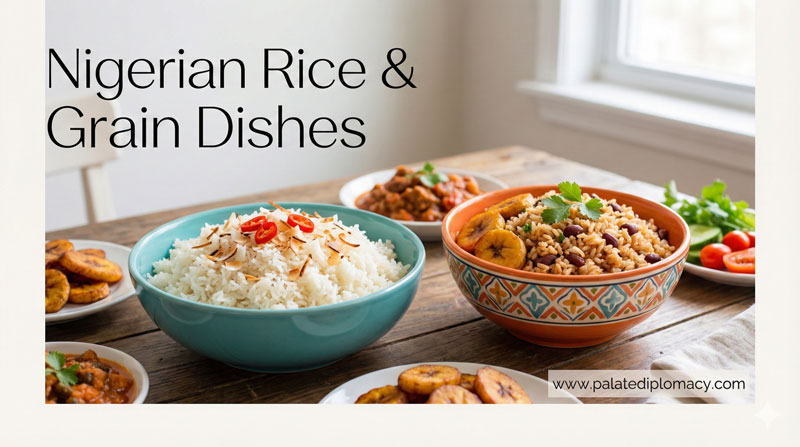
Everything You Need to Know About Coconut Rice
Coconut rice is more than a side; it is a fragrant, inviting presence at the table. The dish carries a sense of warmth and hospitality, inviting people to come together. It blends simple ingredients into something comforting, bright, and deeply rooted in everyday cooking. This post explores the cultural value and culinary significance of coconut rice, highlighting How It helps shape meals and memories.
The simple harmony of flavors
Coconut rice comes to life when plump grains meet creamy coconut milk. The result is a dish that feels gentle on the palate yet full of character. The base recipe is straightforward: rice, coconut milk or cream, a pinch of salt, and a gentle simmer. Optional aromatics such as pandan leaves, lime zest, or a touch of lemongrass lift the aroma and add nuance. The technique is patient: rinse the rice, combine with the coconut liquid, bring to a light simmer, cover, and let the grains absorb flavor as they steam. The final step is a brief rest, which helps the rice become tender and fluffy. In this calm process, the coconut’s sweetness mingles with the natural starch of the grain, creating a versatile canvas for many dishes.
A staple in many kitchens
Across tropical regions, coconut rice serves as a reliable foundation for meals. It brings a comforting scent and a satisfying texture that families recognize and love. In many homes, the dish accompanies seafood, grilled meats, curries, and vegetable stews, letting bold flavors take center stage while offering a mellow, creamy counterpoint. The cultural value lies in its ability to surface everyday togetherness. A pot of coconut rice invites conversation, sharing, and a sense of welcome at every meal. Its presence on the table signals care, attention, and a respect for tradition wrapped in a modern kitchen routine.
Regional variations and culinary significance
Around the world, cooks adapt coconut rice to reflect local ingredients and tastes:
-
In Southeast Asia, coconut milk is a common partner to rice. Dishes like khao niaw (Thai sticky coconut rice) often accompany spicy salads and grilled fish, providing a sweet counterpoint that balances heat. In Malaysia and Singapore, nasi lemak is a beloved preparation where coconut rice is scented with pandan and served with sambal, fried peanuts, and an array of sides—each bite a celebration of balance and contrast.
-
In Sri Lanka, kiribath is a ceremonial coconut rice enjoyed during special occasions. Made with rich coconut milk, it is often served with sweet accompaniments or spicy sambols, highlighting how coconut rice can bridge everyday meals with festive moments.
-
In The Caribbean and parts of the Americas, coconut milk enriches rice that becomes a flavorful side for beans, peas, or stews. This version often appears at family gatherings and weekend feasts, reinforcing a sense of comfort and shared abundance.
These regional differences show coconut rice as a flexible, expressive dish. It adapts to local spices and textures while preserving the core idea: rice enriched with the lush, creamy presence of coconut.
Pairings and occasions
Coconut rice shines beside many flavors. It pairs especially well with grilled or fried seafood, curry dishes, and tropical vegetables. A bright squeeze of lime or a scatter of fresh herbs can lift the dish, while roasted nuts add texture. The dish also holds a place in celebrations and family meals, where its smooth, comforting profile helps voices mingle and meals feel complete. In everyday cooking, coconut rice acts as a reliable base that invites creative toppings and sauces without overpowering them.
Tips for making coconut rice at home
- Choose your rice: Jasmine rice is a popular choice for its fragrance, but other long-grain varieties work well too. In some regions, short-grain rice offers a slightly stickier texture that suits certain styles of coconut rice.
- Balance the liquid: Use coconut milk for richness and add water to reach the desired moisture. Start with a 1:1 ratio of rice to total liquid, then adjust for creaminess.
- Season gently: A pinch of salt enhances sweetness and depth. Optional sugar or palm sugar can elevate sweetness in sweeter versions, especially when pairing with spicy dishes.
- Aromatics: Pandan leaves, lime zest, or a cinnamon stick at the start infuse the mixture with subtle notes that complement tropical flavors.
- Don’t rush the finish: Let the rice rest off the heat for 5–10 minutes, then fluff with a fork to separate grains and release fragrance.
- Finish with a bright touch: A light drizzle of fresh lime juice or a sprinkle of chopped fresh herbs can brighten the dish just before serving.
Conclusion
Coconut rice is a gentle, versatile way to celebrate cooking that nourishes both body and spirit. Its cultural value lies in its ability to anchor meals with warmth, aroma, and texture, while its culinary significance rests in its adaptability and harmony with a wide range of flavors. Whether enjoyed as a everyday staple or part of a festive spread, coconut rice invites you to savor the beauty of simple ingredients transformed by technique and tradition. It is, in every sense, a dish that makes the table feel welcoming and the moment feel a little brighter.