
Discover the Bold Flavors of Coconut Rice
Coconut rice invites you to explore a dish that sits at the Heart of many kitchens. Its appeal comes from the rich aroma of coconut and the way every grain feels softly coated. This dish shines not just in taste, but in the way it carries memory, hospitality, and shared meals. It is a reliable partner to many flavors, and it invites cooks of all levels to celebrate texture, aroma, and balance.
The Core Ingredients that Speak
Coconut rice rests on a simple trio: rice, coconut milk, and a pinch of salt. The rice acts as a blank canvas, ready to absorb the creamy sweetness of coconut milk. A touch of oil or ghee helps the grains glisten. Optional citrus zest, a whisper of salt, and a leaf or two of pandan or lemongrass can lift the fragrance. The result is a dish that feels lush yet approachable, with a gentle sweetness that never overpowers the grain itself. The beauty lies in how modest ingredients come together to create something distinctly aromatic and comforting.
Fragrant Techniques That Elevate Flavor
Technique matters as much as ingredients. Cooks often toast the rice briefly to awaken a nutty aroma before adding coconut milk and water. A calm simmer lets the grains plump while the milk coats them evenly. Resting the pot off heat gives the steam time to finish each grain, producing a fluffy, separate texture rather than a clumpy result. The scent itself becomes part of the welcome: coconut mingled with heat, a hint of tropical leaf, and the soft sound of simmering liquid. Clear, steady steps create a dish that feels crafted, not hurried.
Regional Mirrors: How Different Cultures Embrace It
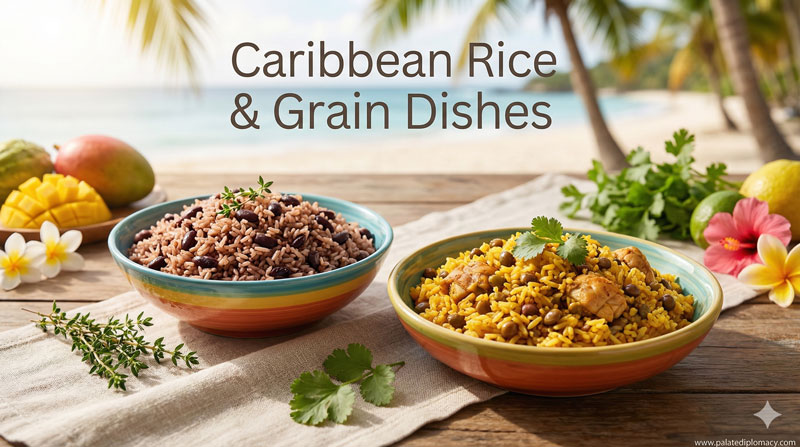
Across regions, coconut rice appears in unique forms that honor local tastes. In Southeast Asia, coconut milk plus pandan leaves produces a fragrant, pale grain that partners beautifully with curries and fried dishes. In parts of South Asia, subtle spices or a dusting of toasted sesame elevate the rice for everyday meals and festive plates. In the Caribbean and the Americas, coconut rice often graces family meals alongside spicy vegetables, seafood, or stews. Each variation keeps the same core idea—rice enriched by coconut’s creaminess—while letting regional flavors take the lead. This shared approach highlights how a simple technique travels well and adapts with warmth and respect to place.
A Dish for Gatherings: Cultural Value in Daily Life
Coconut rice is more than a side; it is a symbol of hospitality and togetherness. In homes across different kitchens, the dish arrives at family meals, festive dinners, and casual gatherings with friends. Its preparation often becomes a small ceremony: measuring rice, pouring coconut milk, watching the grains swell with gentle steam, and serving with care. The result is a sense of welcome and belonging. This is a dish that travels through daily life and celebratory moments alike, reminding us how food knots people together through shared aroma, texture, and taste.
Pairings and Rituals: How Coconut Rice Shines
The beauty of coconut rice lies in its versatility. It pairs beautifully with curries, grilled fish, vegetables in fragrant sauces, and tangy chutneys. It also stands confidently on its own, lightly seasoned to let the natural sweetness glow. In meals that feature bright herbs like cilantro, mint, or lime, the rice acts as a gentle counterpoint, balancing heat and acidity. The pairing is a dialogue: the creamy rice welcomes bold sauces while tempering heat, and the dishes, in turn, gain a comforting, unifying backdrop. This reciprocal relationship deepens the dish’s cultural value as a unifier of flavors.
Textures and Aromas: The Heart of the Experience
Texture matters as much as taste. When cooked well, each grain remains distinct, offering a subtle bite before dissolving into creamy sweetness. The aroma—rich coconut with a soft, toasty undertone—invites anticipation and sets a friendly mood at the table. The sensory experience is gentle yet memorable, making the dish approachable for newcomers and deeply satisfying for seasoned cooks. This balance of aroma, texture, and flavor is what makes coconut rice a lasting favorite in many culinary traditions.
A Creative Kitchen: Variations and Tips
Creativity honors the dish while staying true to its core. You can add lime zest or ginger for a bright lift, or include curry leaves for an aromatic cue to Southeast Asian kitchens. A handful of toasted shredded coconut on top creates an inviting crunch. For a richer mouthfeel, use a higher ratio of coconut milk to water, then balance with a touch of salt to keep the grains lively. If you enjoy herbs, a small amount of chopped fresh cilantro or parsley at serving time adds color and freshness. These variations respect the dish’s essence while inviting personal tastes and seasonal ingredients.
The Enduring Charm of Coconut Rice
Coconut rice remains beloved because it honors simplicity while offering rich, inviting flavor. It celebrates everyday cooking and special meals alike, bridging routines and celebrations with warmth and aroma. The dish invites curiosity about regional preparations and personal tweaks, all while staying anchored in the familiar comfort of soft, fragrant grains. Whether served with a vibrant curry or a modest vegetable dish, coconut rice holds its own as a cultural treasure that welcomes, nourishes, and inspires.
If you’re ready to experience its glow, start with a simple pot of coconut rice this weekend. Notice the aroma, feel the texture, and enjoy how a humble grain can carry so much meaning and joy.