
Why Coconut Rice Is One of the Caribbean’s Most Loved Dishes
Coconut rice is a bright thread in Caribbean meals. It blends creamy coconut with warm rice to create a comforting, versatile dish. Its value grows from daily meals to festive gatherings. The dish embodies hospitality: a pot of rice, a shared spoon, and smiles around the table. The flavors are gentle yet distinct, inviting you to savor the moment. In this post, we explore its cultural value and culinary significance.
The Core Ingredients and Technique
The base is simple: long-grain rice, coconut milk, water, and a pinch of salt. Some cooks add a touch of sugar, garlic, or lime zest for brightness. Fresh coconut shavings can add texture and aroma. The cooking method aims for creamy liquid with fluffy grains. Start by warming the coconut milk, then stir in the rice. Add water and salt, bring to a gentle simmer, and cover. Let the rice absorb the liquid slowly. When it’s tender, remove from heat and let it rest briefly. The result is a fragrant, pale-gold pot of grains with a delicate coconut note.
A Symphony of Scent and Texture
Coconut rice delights the senses from the first whiff. The aroma of coconut oil and creamy milk fills the kitchen. The texture is soft yet distinct, with each grain separated just so. The dish carries a hint of sweetness that balances savory sides. It acts as a comforting base that raises the flavors of seafood, fried plantains, or spicy stews. This harmony makes coconut rice a trusted companion at many meals.
A Dish for Gatherings
In homes and markets, coconut rice invites sharing. Families prepare a big pot for Sunday meals, celebrations, and casual gatherings. The dish becomes a focal point where conversations flow as freely as the steam from the pot. It carries memories of learning to cook with a parent or grandparent, and it welcomes new cooks to the kitchen. Each batch adds its own personality, yet the warmth remains constant.
Regional Voices: How Islands Put Their Spin
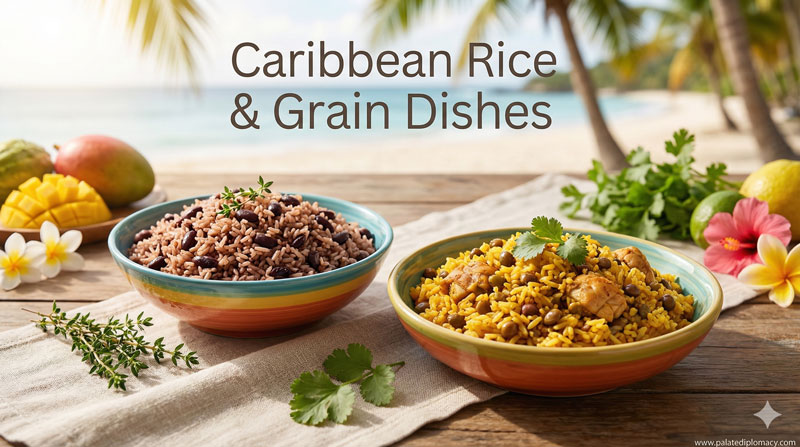
Across the Caribbean, cooks offer their own spins on coconut rice. Some versions blend in beans or pigeon peas for body and color. Others lean toward a purer coconut flavor, letting the rice do the storytelling. Fresh herbs, scallions, thyme, and a light touch of pepper appear in many kitchens. The choice of rice variety, from long-grain to medium-grain, also shapes texture. In every island, coconut rice stands as a versatile canvas that honors local tastes and techniques.
Pairings and Occasion Time
Coconut rice shines beside grilled or fried seafood, jerk-seasoned meats, and hearty stews. It pairs well with lime to brighten the plate. Plantains, fried or baked, add sweetness and contrast. On special occasions, the dish appears as a reliable guest that anchors flavors and nourishes gatherings. It is welcoming, easy to share, and endlessly comforting.
Cooking Tips to Honor the Dish
Choose coconut milk with a gentle, coconut-forward flavor. If you use fresh coconut, blend and strain the milk for a richer texture. Rinse the rice briefly to remove excess starch, then cook with a watchful eye on heat to keep grains separate but tender. A light garnish of lime zest or chopped herbs can lift the aroma without overpowering the coconut notes. Above all, cook with patience and a sense of hospitality.
In Closing
Why Coconut Rice Is One of the Caribbean’s Most Loved Dishes lies in its balance of simplicity and soul. It is easy to Make, yet deeply rooted in everyday life. The dish invites affection at the table and sparks curiosity about regional flavors. Its creamy comfort, fragrant aroma, and adaptable nature make It a staple that families cherish and friends remember. In every bite, you taste a piece of Caribbean warmth, ready to be shared.