
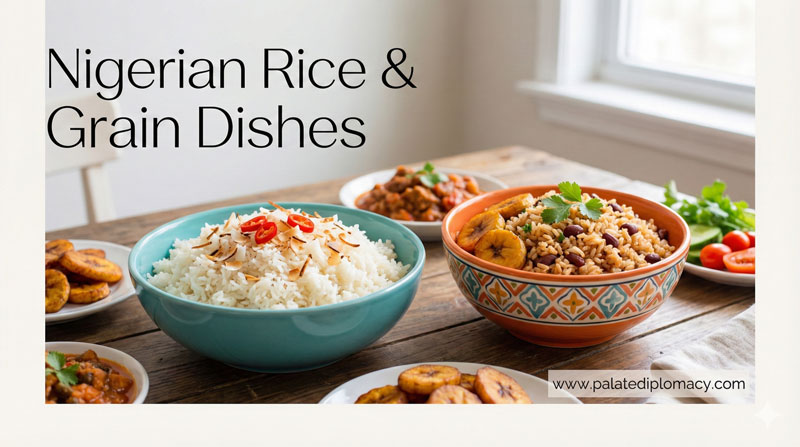
Coconut rice is more than a simple dish in Nigeria. It is a flavorful window into everyday life, family gatherings, and the careful craft that shapes meals. This article explores the cultural value and culinary significance of coconut rice, highlighting how its aroma, texture, and serving style reflect community, shared rhythms, and cherished techniques.
The Flavor That Defines Coconut Rice
Coconut rice welcomes the senses with a creamy kiss from coconut milk, a gentle sweetness, and a toasty note from onions that have been caramelized in oil. The rice grains stay separate, yet each bite feels lush and comforting. The coconut enriches the pot, carrying a fragrant depth that lingers. This balance—creamy richness without heaviness—is a hallmark of how Nigerian cooks blend comfort with clarity in everyday meals. The dish speaks softly of patience, as the simmering phase builds flavor slowly and evenly.
Hospitality in a Pot
In many Nigerian homes, food is a generous invitation. Coconut rice often graces tables for family meals, weekend gatherings, and special occasions. The pot becomes a shared space where conversation flows as freely as steam. When guests arrive, a generous serving signals welcome. The act of serving coconut rice to others reinforces a culture of warmth, reciprocity, and care. Each plate becomes a small story of belonging, a reminder that good food is best enjoyed together.
Techniques for Creamy Texture
The texture of coconut rice reveals skill and attention. Cooks balance coconut milk with water to achieve a lush yet light mouthfeel. The rice is rinsed and stirred with a calm hand to prevent clumping, then simmered at a steady pace. The sequence—sauté onions, pour in coconut milk, add spices, then fold in rinsed rice—creates a harmony of aroma and texture. A final stand time allows the grains to relax, absorbing moisture for a cohesive but not mushy bite. These carefully managed steps show how technique shapes culture in the kitchen.
Regional Voices in a Single Dish
Nigeria’s culinary landscape is richly varied, and coconut rice gathers these voices in one pot. Some kitchens favor a touch of thyme, curry powder, or nutmeg to brighten the fragrance. Others opt for palm oil or vegetable oil, depending on pantry staples and local preferences. Yet the core remains the same: rice enriched with coconut, gently seasoned, and cooked until tender. This fusion of regional preferences within a simple framework illustrates how cooking preserves memory while inviting innovation.
Pairings that Tell a Story
Coconut rice shines when paired with dishes that reflect daily life and special moments. A bright tomato stew, a crisp fried fish, or succulent grilled chicken all complement its creamy foundation. Plantains, greens, or sautéed vegetables provide color and contrast. The combination tells a story of balance—protein, starch, and colorful sides harmonizing in a single meal. The pairings also show how the dish adapts to seasons, celebrations, and family favorites.
Everyday Rituals and Shared Moments
Cooking coconut rice is often a family affair. Children learn to rinse rice, listen for the whisper of simmering liquid, and observe how the aromas rise in the kitchen. Grandparents may share tips passed down through generations, such as when to add aromatics or how long to let the dish rest. These rituals shape a sense of continuity and care. The process becomes a memorable routine that strengthens bonds and creates a sense of pride in everyday life.
The Aroma, Color, and Presentation
Aromatic coconut rice fills the room with a warm, inviting fragrance. The color is a soft ivory with a hint of cream, sometimes shimmering with a glaze from the coconut. Garnishes—crispy onions, fresh herbs, or a scatter of bright peppers—enhance the presentation and invite the eye as well as the palate. The visual appeal reinforces its role as a centerpiece that welcomes guests and elevates ordinary meals into small celebrations of daily life.
A Dish for All Seasons
Coconut rice adapts to many occasions. It fits a quick weeknight dinner, a comforting weekend meal, or a larger gathering where food is shared with neighbors and friends. Its flexibility Makes It a dependable favorite across homes and seasons. Whether kept simple or dressed up with vibrant accompaniments, the dish remains a reliable ambassador of Nigerian culinary spirit.
A Lasting Flavor of Nigerian Kitchens
In the end, coconut rice embodies more than taste. It captures the careful balance of technique, aroma, texture, and sharing that defines Nigerian cooking. It is a dish that invites conversation, honors tradition, and opens doors to new flavor ideas. By savoring its creamy richness and bright accents, we experience a fabric of culture woven through everyday meals and cherished moments.