
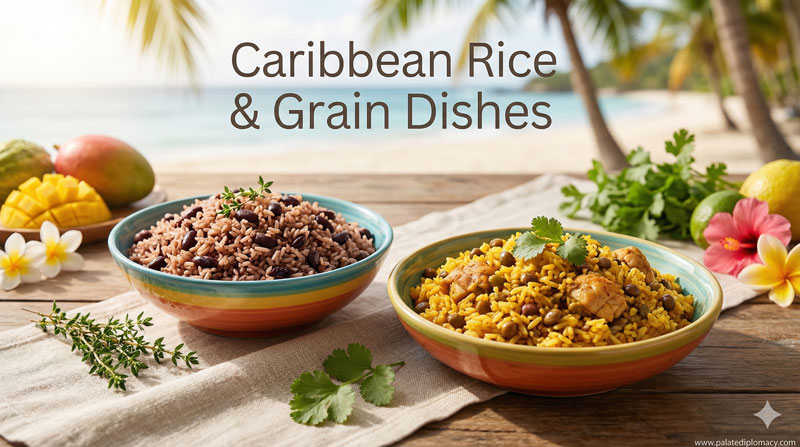
Why Travelers Are Falling in Love with Coconut Rice invites readers into a dish that feels both familiar and new. It is a simple rice dish, yet it carries a rich cultural value visible in kitchens around coastal towns and market stalls. The creamy coconut milk, the aroma of toasted rice, and the gentle sweetness invite a moment of calm. For many travelers, the dish becomes a small welcome, a taste of place that stays with the mind long after the meal ends.
What draws travelers to Coconut Rice
Travelers seek comfort and curiosity in equal measure. Coconut rice delivers both. Its mild richness pairs with a wide range of regional flavors, so it feels Like a surface on which local ingredients can speak. The dish is easy to prepare in modest kitchens and is quick enough for a market stop or a family meal. That accessibility invites shared meals, where conversations drift from ingredients to memories. In every bite, there is a sense of place that is warm, open, and inviting.
The sensory profile of coconut rice
The fragrance opens the experience. Coconut milk gives a soft, tropical note that lingers without overpowering. Toasted grains bring a nutty warmth, while a whisper of salt balances the sweetness. The texture sits in the middle: fluffy but with a touch of cling that helps it pair well with sauces and vegetables. The color is pale gold, a visual cue of gentle mindfully used heat. Together, these elements create a comforting, versatile canvas for flavors travelers encounter on the road.
Cultural value in everyday kitchens
Rice serves as a daily staple in many coastal and island kitchens. Coconut milk adds depth and richness without demanding elaborate prep. In households that prepare this dish, coconut rice becomes a base for seasonal vegetables, fish, or beans. The method—rinsing the rice, gently simmering with coconut milk, and letting it rest—emphasizes patience and care. This balance of technique and affection reflects a shared culinary ethic: simple ingredients, prepared with thought, can offer memorable meals. Travelers often notice this quiet ceremony in kitchens, markets, and roadside eateries, where every bowl tells a story of home and welcome.
Regional twists and variations
Coconut rice travels well, and many regions adapt it to their pantry. Some kitchens add pandan leaves for a light, floral lift; others brighten the dish with lime zest or ginger. A handful of toasted shallots or sesame seeds can introduce texture and aroma. In some places, coconut rice accompanies spicy curries, grilled fish, or fresh vegetables, while in others it shines beside sweet fruit or a hint of salt-fish. These variations highlight how a single method can reflect local flora, cuisine, and seasonal treasures. The result is a family of dishes sharing a common heart: fragrant rice united with creamy coconut.
Techniques that bring out depth
A few deliberate steps elevate the dish. Rinse the rice until the water runs clear to remove excess starch. Toast the grains briefly in a small amount of oil to deepen the nutty aroma. Use coconut milk as part of the cooking liquid to infuse richness while maintaining balance with water or stock. Let the rice rest off the heat; a brief pause helps the grains firm up and separate. A light pinch of salt and a gentle mix at the end keep the texture inviting and cohesive. These techniques combine to create coconut rice that feels both handcrafted and reliable.
Pairings and travel moments
Coconut rice pairs beautifully with grilled seafood, fresh vegetables, and vibrant sauces. It also complements curries and soups, acting as a gentle foundation that carries more assertive flavors. Travelers often remember sharing bowls beside a market stall or at a family table, where the rice becomes the anchor around which stories and tastes revolve. In each pairing, the dish demonstrates versatility and hospitality, inviting continued exploration of regional ingredients.
Bringing coconut rice home: tips for home cooking
- Start with good rice: a versatile long-grain or jasmine rice works well with coconut milk.
- Rinse until clear, then soak briefly for even texture.
- Toast the dry rice lightly before adding liquid to deepen flavor.
- Use coconut milk as part of the cooking liquid, with enough water to achieve a creamy yet airy grain.
- Finish with a pinch of salt and, if desired, a touch of lime zest or a sprinkle of fried shallots for texture.
- Let the pot rest covered for a few minutes, then fluff with a fork to separate the grains.
A closing note on the journey of flavor
Coconut rice is more than a dish; it is a gentle invitation to explore how food connects people to place. Its cultural value lies in the way a simple grain, enriched with coconut, can carry memories of kitchens, markets, and shared meals. For travelers and locals alike, this rice offers a welcoming doorway to flavor, curiosity, and everyday hospitality. It remains a favorite because it respects the land, the season, and the stories that gather around a table.