
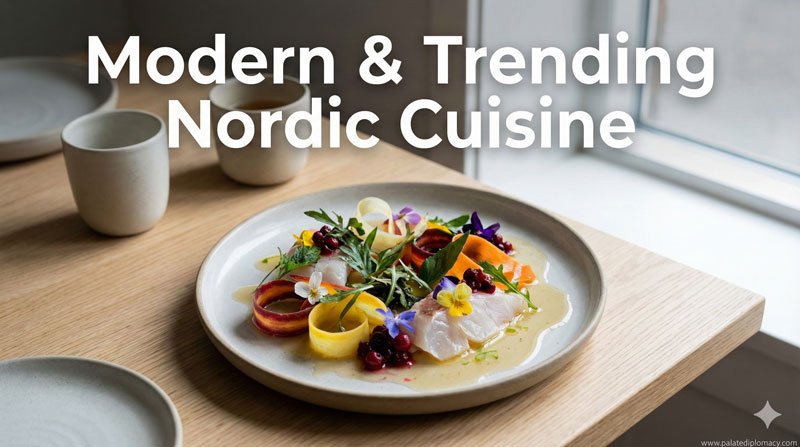
Everything You Need to Know About Modern Nordic Bowls is a celebration of season, craftsmanship, and balanced flavor. This dish embodies a spirit of simplicity and care. It brings together textures, colors, and bright contrasts in a single bowl. The result is inviting, nourishing, and deeply rooted in everyday eating. Here is a friendly guide to its cultural value and culinary significance.
What Are Modern Nordic Bowls?
Modern Nordic Bowls are meal bowls that center on clean flavors and thoughtful ingredient balance. They combine whole grains or sturdy bases with vegetables, proteins, and a bright finishing sauce. Think barley, rye, or buckwheat as a base; add roasted or raw vegetables, fish or plant-based protein, and a tart or creamy drizzle. The aim is harmony: a meal that feels calm yet alive on the palate. The method is flexible, seasonal, and accessible to home cooks and professionals alike.
The Values Behind the Bowls
These bowls reflect a culture that prizes seasonality, restraint, and care for ingredients. They honor each component rather than masking it. The result is a dining experience that feels generous but uncluttered. In Nordic culinary culture, meals often emphasize balance and wellness. Modern Nordic Bowls translate this mindset into everyday eating. They invite mindful preparation and thoughtful plating, making food feel Like a small ritual of daily life.
Culinary Significance: Techniques and Flavor Principles
The bowls stand out for their flavor architecture. Base grains provide a chewy, earthy foundation. Vegetables contribute sweetness, bitterness, or sharp acidity. Proteins give depth, often through gentle smoking, roasting, or searing. A bright sauce or yogurt-based dressing ties everything together. Common techniques include quick pickling, dill or herb-infused creams, and light fermentation. These choices create contrasts: creamy versus crunchy, warm versus cool, tangy versus mellow. The result is a versatile platform for seasonal ingredients and personal preference.
Seasonal Palette
Seasonality is a central idea. In spring, you might see tender greens and green herbs. Early summer brings fresh berries and crisp cucumbers. Autumn delivers roasted root vegetables and earthy beets. Winter favors preserved produce and hearty grains. A Modern Nordic Bowl adapts with the season, which makes it a living menu rather than a fixed recipe. This adaptability keeps the dish relevant year-round and deeply tied to local harvests.
Texture and Technique: The Playing Field
Texture is a guiding principle. A well-made bowl contrasts soft, creamy elements with crisp or chewy components. For example, a creamy skyr or yogurt drizzle pairs with roasted vegetables that still have a bite. A handful of seeds or toasted grains adds crunch. A delicate fish, like salmon, can be lightly smoked or simply seared for a silky texture. The technique supports the flavor, not the other way around. This respect for texture invites varied experiences in every spoonful.
Ingredient Spotlight: Building a Nordic Flavor
A few ingredients frequently appear because they carry cultural meaning and practical versatility:
– Grains: barley, rye, buckwheat, or oats provide a sturdy, comforting base.
– Proteins: smoked or grilled fish, dairy-rich components like skyr, or plant-based proteins such as lentils.
– Vegetables: roots, leafy greens, cucumber, beets, and roasted seasonals.
– Flavor brighteners: dill, chives, lemon, capers, yogurt, or a light vinaigrette with mustard.
– Textural toppings: seeds, nuts, crisped rye, or roasted chickpeas.
These elements can be mixed in countless ways, yet they share a common thread: clear, clean flavors that let the ingredients speak.
Serving and Presentation
Modern Nordic Bowls often emphasize a neat, approachable presentation. The bowls look balanced, with colors arranged deliberately—greens beside deep purples, pale grains beside bright citrus. The table experience feels calm and welcoming. Small garnishes, like fresh herbs or a squeeze of lemon, finish the bowl just before serving. The result is not merely food; it’s a moment of everyday beauty.
Pairings and Hospitality
These bowls pair beautifully with simple beverages that don’t overwhelm the flavors. Sparkling water, a light herbal tea, or a mild white wine can complement the dish. In many Nordic cafés, bowls are shared as part of a relaxed meal, encouraging conversation and eye contact. The serving style invites guests to customize; everyone can adjust acidity, salt, and creaminess to their taste.
Getting Started at Home: A Simple Path
If you are new to Modern Nordic Bowls, start with a confident base and one protein. Then add two vegetables and a bright sauce. Build from there:
– Pick a base grain like barley or buckwheat.
– Choose a protein such as salmon, chickpeas, or lentils.
– Add two vegetables that contrast in color and texture.
– Finish with a herb-lemon dressing and a sprinkle of seeds.
– Plate thoughtfully to show color and texture.
With these steps, you can create a simple, satisfying bowl in under 30 minutes.
A Quick Shopping Guide
To enjoy Modern Nordic Bowls regularly, stock a few reliable staples:
– Whole grains: barley, rye berries, buckwheat, oats.
– Proteins: smoked fish, yogurt or skyr, lentils or beans.
– Vegetables: root vegetables, leafy greens, cucumbers, beets.
– Flavors: dill, chives, lemon, yogurt or light cream.
– Textural toppings: seeds, nuts, crisped grains.
Having a small, rotating collection helps you assemble bowls quickly while keeping flavors fresh.
The Cultural Value in Everyday Life
Beyond taste, these bowls nurture a philosophy of mindful eating. They encourage choosing seasonal produce, appreciating craft, and sharing meals with care. The bowls fit well with family routines, café menus, and market stands. They express a modern interpretation of Nordic culinary generosity: simple ingredients treated with respect, assembled into nourishing and appetizing meals.
The Future of Nordic Bowls
As kitchens evolve, Modern Nordic Bowls will continue to adapt while maintaining core ideas: balance, seasonality, and clarity of flavor. Chefs experiment with new combinations, yet always honor the essential structure of the bowl. The culture around these bowls supports quick cooking, sustainable choices, and accessible techniques. In doing so, they remain welcoming to cooks at all levels.
Conclusion: A Dish of Calm, Craft, and Connection
Modern Nordic Bowls offer more than sustenance. They present a calm, confident approach to cooking that values seasonal ingredients and thoughtful technique. They celebrate texture, color, and balance in a single dish. The result is a meal that feels simple yet refined, everyday yet special. In embracing Modern Nordic Bowls, you invite a comforting cuisine that resonates with care for the land, for the ingredients, and for the people who share the table.