
Introduction
This post invites you into the world of traditional Polish cold cuts. Tucked into markets, family kitchens, and festive tables, these cured meats carry a quiet elegance that speaks to craft, seasonality, and shared meals. They are more than food; they are a daily celebration of texture, aroma, and togetherness. In this piece, Everything You Need to Know About Traditional Polish Cold Cuts, we explore their cultural value and culinary significance with warmth and care.
What are Polish cold cuts?
Polish cold cuts are a family of cured and prepared meats. They include sausages, smoked loaves, and sliced hams. Each cut carries a history of selection, salting, seasoning, and aging. The flavors range from bright and peppery to smooth and smoky. The beauty lies in balance: fat, lean meat, salt, and spice harmonize to create a slice that tastes both familiar and new with every bite.
Key varieties and their character
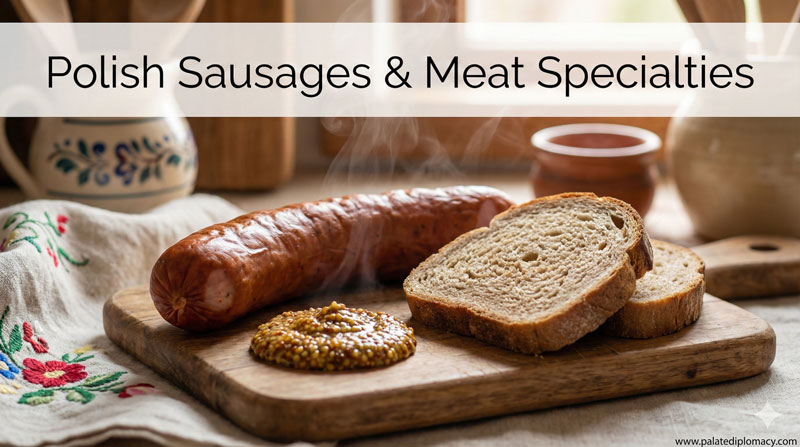
- Kielbasa: A versatile sausage, often smoked and seasoned with garlic, marjoram, and pepper. It shines at room temperature or warmed, paired with bread and mustard.
- Kabanos: A long, slender sausage with a dry, intense flavor and a satisfying snap. Its shelf life and portability make it a favorite on leafy markets and picnics.
- Szynka (ham): Slices of ham that can be gently cured or smoked. The texture is tender, the taste clean, and it pairs beautifully with bread, pickle, and cheese.
- Salceson (head cheese): A gelatin-rich, delicately seasoned loaf made from mixed meats. Sliced thin, it offers a smooth bite and a refined savor.
- Boczek wędzony (smoked bacon): Smoky and juicy, this cut adds depth to boards and plates when warmed or eaten cold.
- Polędwica: A lean, tender cut from the loin; when cured or lightly smoked, it becomes a refined presence on any spread.
Each variety reflects regional preference, family technique, and the patient labor of the maker.
How these meats are made: craft and technique
Craft runs through every step. Meat is selected for quality and balance. Curing salt, spices such as garlic, pepper, marjoram, and herbs flavor the meat. Some pieces are dry-cured, resting for days or weeks to build depth. Others are wet-cured, then smoked over beech or oak to add smoke aroma. Aging in controlled rooms allows flavors to settle and textures to mature. The result is a spectrum of textures—from firm to velvety—and a chorus of flavors that invite slow, mindful tasting.
Regional patterns and family traditions
Poland’s regions each stamp its own mark on cold cuts. In the hills and forests of the south, you may find richer, smokier profiles. In the plains, lighter, brighter takes on pork and spice reflect local tastes. Families carry recipes from generation to generation, often tuning salt, smoke time, and spice blends to reflect the season or a beloved memory. Markets showcase these regional accents, turning simple ingredients into a map of local life.
Cultural moments and everyday meals
These cold cuts anchor daily meals and festive boards alike. A simple breakfast or a Sunday spread becomes special when this array is laid out with bread, pickles, and fresh cheese. They invite conversation and sharing, turning ordinary moments into small celebrations. The act of assembling a plate, slicing a few pieces, and tasting with warm bread helps preserve a sense of continuity and community.
How to enjoy: serving ideas and pairings
- Pair with dark rye bread, sharp mustard, and cornichons for a classic board.
- Thread slices into a simple sandwich with horseradish and crisp lettuce.
- Add to a cheese platter with pickled vegetables and cherry tomatoes.
- Serve warm with a side of sauerkraut or mashed potatoes for comforting moments.
- Pair with a light beer or a crisp cider to highlight the meats’ smoky and savory notes.
The key is balance: let a single slice shine, then add complementary flavors to create a cohesive dish.
Shopping tips and storage
- Choose pieces with a clean color, pleasant aroma, and even texture. Avoid surfaces that appear slimy or have off-putting smells.
- Check packaging for seals and dates. Fresh cuts should be kept cold.
- Store in the refrigerator and use within the recommended time. If you dry-cure or age in-house, follow traditional guidance for best results.
- Look for varieties that show a good balance of lean to fat and a natural, not overly glossy, surface.
- Slicing thinly reveals texture and enhances flavor perception at the table.
A quick glossary of terms
- Kielbasa: Polish sausage, often smoked and seasoned with garlic and marjoram.
- Kabanos: Long, slender dry sausage with a strong taste.
- Szynka: Ham, typically cured or smoked.
- Salceson: Head cheese; a gelatinous meat loaf.
- Boczek: Bacon, commonly smoked.
- Polędwica: Tender loin cut.
Conclusion
Traditional Polish cold cuts celebrate craft, seasonality, and social eating. They invite us to slow down, savor texture, and share stories over a shared board. This is more than a collection of meats; it is a living expression of Polish culinary culture and a warm invitation to guests and family alike. By exploring their varieties, methods, and moments, we honor the beauty of the dish and the care that goes into every slice.