
A Complete Guide to Enjoying Traditional Polish Cold Cuts Like a Local
Warm bread, a soft pat of butter, crisp pickles, and a line of thinly sliced cold cuts. This simple line appears on many Polish tables. It speaks of daily life, wakeful markets, and shared meals. The dish we’re exploring is not just food; it is a practiced craft and a gentle art of gathering. Welcome to a respectful tour of its cultural value and culinary significance. You’ll discover how these wędliny accompany everyday rituals and festive moments alike.
The Cultural Value of Polish Cold Cuts
In Polish kitchens, cold cuts are more than flavors. They are stories told in texture and aroma. Families pass down recipes from one generation to the next. Butchers in small towns and family-run shops help keep it alive with careful curing, smoking, and slicing. The practice connects people to seasons, farms, and the rhythms of local life. Each slice honors craft, patience, and a shared love of simple, honest ingredients.
Another cornerstone is how cold cuts frame social moments. A tray can spark conversation, invite a slower pace, and encourage friends and relatives to linger at the table. The act of assembling a plate becomes a quiet celebration of tradition. The emphasis is on balance—between smoky and mild, between soft pâtés and firmer sausages, between bread and pickles. In every gathering, the plate becomes a welcoming gesture, a way to say “you are welcome here,” with food as the messenger.
Core Varieties You’ll Encounter
Polish cold cuts cover a family of products, each with its own character. Here are some you’re likely to meet, described in plain terms to help you recognize them on a board:
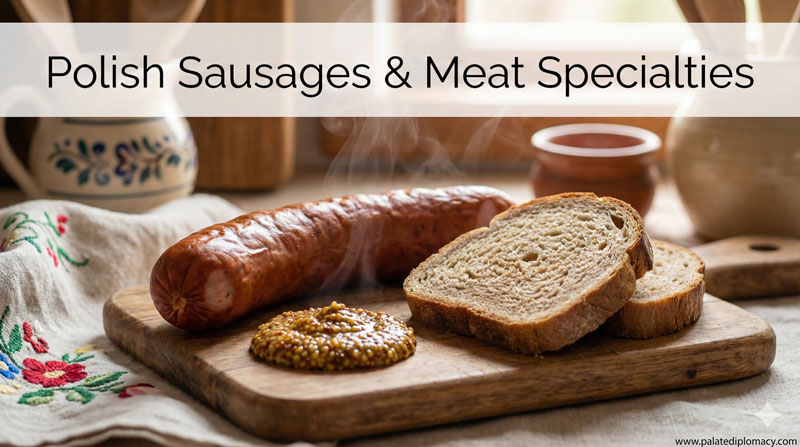
- Kiełbasa Krakowska and other regional sausages: smooth, moderately smoky, and lightly seasoned. They slice easily and pair well with rye bread and a dab of mustard.
- Kabanosy: long, slender sausages that stay firm when sliced thin. They’re ideal as a quick bite or as a bright, crisp edge to a wider tasting.
- Szynka (ham): a gentle, clean flavor that acts as a quiet backbone on the plate. When sliced thin, it rests nicely beside buttered bread.
- Salceson (head cheese): a gelatinous, textured loaf with a milder, savory profile. It invites careful tasting and appreciation for its soft bite.
- Pasztet (pâté): a smooth spread or loaf that can carry herbs and pepper with a gentle richness. It adds variety to a board and invites spreadable textures.
- Kiełbasa myśliwska (hunter’s sausage) and other smoked sausages: they bring a deeper smoke note and a heartier bite, contrasting nicely with lighter cuts.
- Biała kiełbasa (white sausage): often enjoyed in festive or seasonal settings, with a bright, clean pork flavor.
These items come from different regions, farms, and smokehouses. Together they tell the story of Poland’s careful attention to pork quality, spice harmony, and time-honored curing methods. The board is a conversation starter, inviting you to compare textures, aromas, and the way each slice sits next to bread and condiments.
How to Enjoy Like a Local
Engaging with these cold cuts the local way is a gentle, unhurried practice. Try these steps to savor the moment:
- Start with a calm pace. Let the room breathe in the aromas before you taste.
- Slice thoughtfully. Paper-thin slices feel almost delicate on the tongue, especially for milder cuts like ham and certain sausages. A slightly thicker slice can be right for stronger varieties.
- Ready the bread. A slice of rye or a rustic loaf provides a sturdy, flavorful base. A light spread of butter enhances rather than competes with the meat.
- Move from mild to bold. Begin with milder cuts to warm the palate, then progress to smoked or peppery varieties. This sequence helps you appreciate each nuance.
- Use the right accompaniments. A touch of grainy mustard, a dab of horseradish, dill pickles, or a thin onion ring can elevate the flavors without overpowering them.
- Respect temperature. Serve cool to slightly below room temperature to keep the textures lively. If you refrigerate, let slices rest briefly before tasting.
- Enjoy the moment, not just the plate. Conversation, shared laughter, and a relaxed pace make the flavors sing.
This approach honors the tradition of slow meals. It invites everyone at the table to participate, to compare notes, and to discover personal favorites.
Pairings and Presentation
A well-arranged plate helps the flavors shine. Here are practical tips for presenting Polish cold cuts with elegance and clarity:
- Build a simple layout. Place slices in neat rows or gentle fans. Color and texture variety catch the eye and invite tastings in stages.
- Choose bread with care. A dense rye or a rustic white loaf provides the right contrast. Butter that melts slightly on contact adds a creamy counterpoint.
- Add a few bright accents. Lightly pickled cucumbers, radishes, or onions brighten the palate between bites.
- Keep condiments minimal. A small spoon of mustard or horseradish works well, but too many sauces can overpower delicate cuts.
- Create small tasting portions. Offer three to five slices of different cuts per person, with a couple of bread pieces and a bite-sized pickle on the side.
- Consider the setting. A wooden board or a simple ceramic platter feels authentic and welcoming. Real plates and fresh napkins complete the scene.
The goal is a tasteful balance: clean flavors, gentle contrasts, and a sense that the plate invites more conversation, not just more eating.
Regional Flavors and Specialties
Regional pride shapes How Polish cold cuts are produced and enjoyed. You’ll notice variations by region, reflecting local farms, smokehouses, and culinary heritage. For example:
- Małopolska (Little Poland) often highlights robust, well-cured sausages and slices that pair beautifully with hearty rye bread. The emphasis is on clear pork flavors balanced with pepper and subtle smoke.
- Podlaskie and nearby areas showcase lighter picks and fresh, bright accompaniments. Here, kabanosy are a popular quick bite, enjoyed during markets and family meals alike.
- Silesia and nearby regions may feature slightly deeper smokiness and firmer textures, shaped by local smokehouses and aging practices.
These regional signatures enrich the experience, reminding you that Polish cold cuts are not a single flavor but a family of flavors tied to place, craft, and daily life.
Shopping, Storage, and Freshness
To honor the dish’s quality, choose suppliers who emphasize craft and freshness:
- Select from reputable butchers or trusted markets. Look for clear labeling, good color, and a clean aroma.
- Check texture. A slice should feel tender yet firm, not mushy or crumbly. Avoid slices that feel tacky or overly greasy.
- Watch the color. A natural pink to rosy hue is normal, with some smoky browns around edges for smoked cuts.
- Store properly. Keep cold cuts refrigerated, ideally 0–4°C (32–39°F). Wrap slices to prevent drying, and use within a few days for best texture and flavor.
- Slice with care. If possible, slice just before serving. Pre-cut portions can dry out faster and lose some of their bite.
Following these tips helps you enjoy the true character of each cut, preserving aroma, texture, and balance.
A Tasting Ritual: Etiquette and Moments
In a friendly gathering, the eating experience is as important as the flavors themselves. Embrace these small rituals:
- Welcome your guests with a brief board explanation. A sentence about a couple of key items helps set mood and curiosity.
- Share the slice, not the plate. Passing the board around keeps everyone involved and nourishes conversation.
- Pause between bites. A moment of reflection invites appreciation for the craft, the farmers, and the butchers who made it possible.
- Respect personal favorites. Some guests prefer lighter cuts; others may gravitate toward smoky, bold slices. Equal space for all tastes creates harmony.
- End with gratitude. A simple thank-you to the hands that prepared the food closes the moment with warmth.
These moments elevate a simple tasting into a meaningful exchange of culture and care.
Closing Thoughts
Traditional Polish cold cuts are more than a collection of flavors. They are a living thread that ties home, market, and table together. They invite curiosity about where pork comes from, how it’s cured, and why certain preparations endure. They celebrate craft, family, and community in everyday meals and festive gatherings alike.
If you approach the dish with respect, you’ll find a quiet beauty in the balance of smoke and meat, the crisp bite of bread, and the ease of sharing. This guide offers a doorway into a slower, more mindful way to enjoy Polish cold cuts—Like a local, with warmth, curiosity, and appreciation for the timeless art on the plate.