
Introduction
Everything You Need to Know About Contemporary Island Cuisine is more than a dish. It is a celebration of place, craft, and shared taste. This dish invites readers to explore how island flavors come alive in Modern kitchens. It centers on fresh produce, bright citrus, and seafood tempered by gentle herbs. The result is inviting, respectful, and deeply rooted in the joy of cooking together. In short, it is a doorway into the beauty and character of island Food Culture.
Concept and Presentation
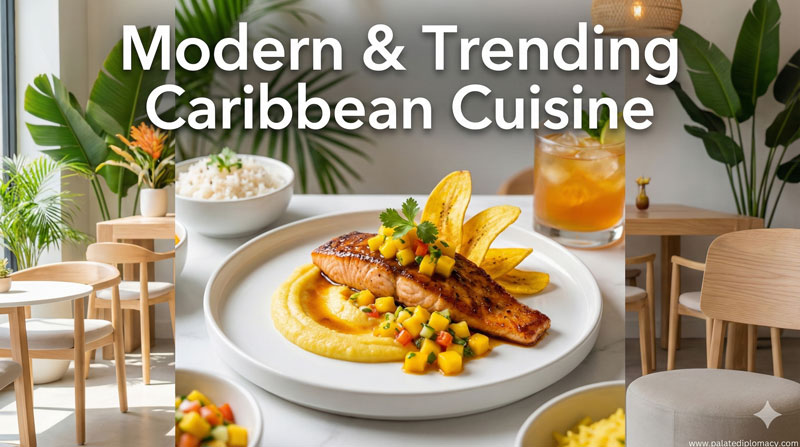
The dish presents as a thoughtfully composed plate that tells a story without words. Each element is chosen to reflect the rhythm of island life—sea breeze, sunlit markets, and gardens that thrive under warm days. The plating emphasizes color, balance, and texture. A bright citrus note meets mellow coconut cream, while grilled fish lends a clean aromatica that harmonizes with crisp vegetables and herbs. The presentation invites sharing and conversation, turning a meal into a moment of connection with the island’s culinary voice.
Cultural Value
This dish embodies cultural value through its affection for local ingredients and time-honored techniques. It honors seasonal produce and the generosity of community markets. The flavors mirror daily routines: morning fish, midday fruits, and evening herbs harvested at dusk. By foregrounding simple, honest preparations, the dish teaches appreciation for the land and sea, and for the hands that bring ingredients from source to table. It also invites cooks and diners to slow down, savor contrasts, and notice how a few elements can carry a lasting memory of a place.
Culinary Significance
Culinary significance rests on the bridge between tradition and invention. The dish blends classic island staples with contemporary methods, creating a voice that feels both familiar and fresh. It showcases skill in technique—gentle emulsions, precise heat, and careful seasoning—without losing the personality of island flavors. The result is a plate that demonstrates how modern cooks can honor terroir while exploring new textures and presentations. Its emphasis on sustainable sourcing and thoughtful preparation adds depth to the culinary conversation around island cuisine.
Ingredients and Techniques
Key ingredients
– Fresh island fish or shellfish
– Coconut milk or cream
– Lime or citrus zest
– Tropical fruits for brightness
– Leafy herbs and peppers for heat and aroma
– Root vegetables or starchy sides for balance
– Sea greens or edible seaweed for oceanic notes
Techniques
– Gentle grilling to seal in flavor
– Steaming or low-heat cooking to preserve tenderness
– Quick searing for texture contrast
– Emulsions and light sauces to unite components
– Pickling or bright pickled aromatics for sharpness
– Fresh herb finishing to lift the dish
This combination highlights how contemporary island cuisine can be both precise and expressive, honoring ingredients while inviting playful technique.
Pairing and Service
Serving emphasizes clarity and ease of enjoyment. The dish shines with a bright, citrus-forward aroma and a soothing coconut backdrop. Pairings lean toward light, refreshing beverages that complement citrus and herb notes, such as crisp non-alcoholic options or delicate wines. Fresh herbs and a final drizzle of vibrant citrus oil create an inviting aroma that welcomes guests to the table. The experience is about harmony, balance, and the pleasure of tasting a landscape in a single plate.
The Future of Island Cuisine
This dish points toward a hopeful future where island cuisine evolves with confidence. It encourages chefs and home cooks to explore local markets, experiment with textures, and celebrate seasonal produce. The approach fosters curiosity, respect for craft, and a shared sense of discovery. As more kitchens welcome island ingredients into modern techniques, the culinary language grows richer and more inviting for readers and diners alike.
Conclusion
Everything You Need to Know About Contemporary Island Cuisine offers a warm, respectful glimpse into how island flavors become living, evolving cuisine. It shows that culture, craft, and community can mingle on a plate to create something both delicious and meaningful. Whether you cook it at home or savor it in a dining room, the dish invites you to celebrate the beauty of island ingredients and the artistry of contemporary techniques.