
Introduction: A Window into Nordic Food Culture
Contemporary Scandinavian dishes offer a clear view of Nordic Food Culture. They celebrate season, craft, and place. The result is meals that feel both modern and deeply rooted. Chefs design plates to tell a Story of land and sea, air and water, fruit and frost. They invite guests to notice texture, aroma, and balance. The focus is on nourishment, beauty, and a sense of belonging around the table.
Seasonal Wisdom: Eating in Step with the Year
In Nordic cooking, seasonality guides every menu. Chefs watch the land’s rhythm and plan around it. In summer, berries and fresh herbs shine. In autumn, mushrooms and root vegetables join fish and game. Winter brings preserved flavors, creamy dairy, and warming spices. This cycle creates a menu that evolves with the calendar. Diners experience a genuine connection to the year through each bite. Clear choices, careful timing, and respectful sourcing keep the flavor bright and honest.
Techniques That Honor Craft and Flavor
Modern Nordic kitchens lean on technique that enhances rather than overwhelms. Fermentation deepens taste and extends the harvest. Curing and smoking bring a gentle smokiness and savory edge. Pickling preserves freshness and adds zing. Sourdough and meticulous bread work anchor meals in tradition. These methods connect chefs with farmers, fishermen, and foragers, creating a practical philosophy: use what’s nearby, value patience, and let the ingredient speak.
Flavor Philosophy: Simplicity, Balance, and Brightness
The flavor goal is clarity. Dishes favor clean, bright profiles rather than heavy complexity. A simple combination—slices of cured salmon, a dollop of cream, and a touch of dill—can feel profound when the balance is right. Salt is measured; acidity is used to wake flavors. Texture plays a crucial role, from crisp root crisps to smooth dairy sauces. The result is a sensory harmony that feels effortless and precise. This approach honors the ingredient’s own character and reveals what the season has to offer.
Plate as Place: Presentation and Hospitality
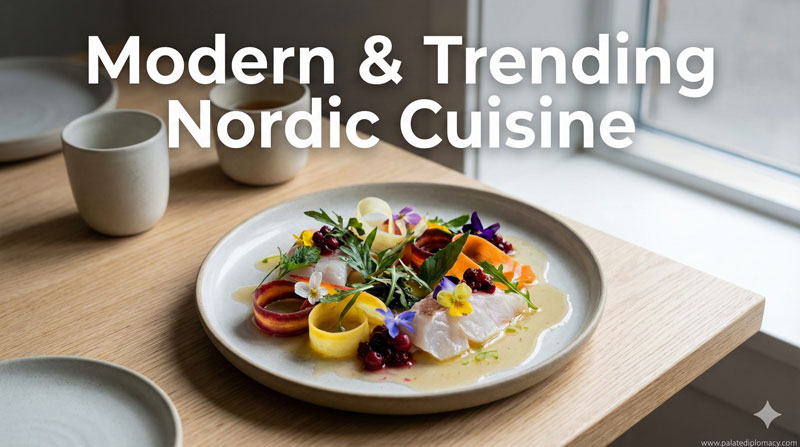
Plating in contemporary Nordic cuisine invites a moment of pause. Colors are natural, shapes are restrained, and portions respect the savoring pace. The presentation signals hospitality: a meal is a shared experience, not a quick hit of flavor. Chefs use minimal garnish, letting greens, grains, and fish stand on their own. Guests are invited to study the plate, then to taste in sequence. The overall effect is calm, generous, and inviting—a gentle invitation to linger and converse.
Local Producers and Sustainability: A Grounded Ethic
A strong thread in Nordic cooking is a commitment to local makers. Farms, fisheries, and foragers supply ingredients with care. Short supply chains help preserve freshness and integrity. Chefs highlight provenance by naming growers or waters in their menus. This fosters transparency and trust at the table. The emphasis on seasonality and respectful use of resources supports a balanced culinary ecosystem. The outcome is sustainable flavor that sustains both people and place.
A Living Tradition in a Modern Plate
Contemporary Nordic dishes blend heritage with modern thinking. Classic techniques meet new textures, and timeless flavors meet inventive presentations. Yet the core stays the same: respect for the land, appreciation for craft, and joy in sharing food. Each plate becomes a small cultural celebration, a snapshot of how tradition can evolve. Diners sense a quiet pride in the craft, a commitment to genuineness, and a welcoming spirit. It is this spirit that makes Nordic cuisine feel both intimate and expansive.
The Dining Experience and Everyday Life
Eating Nordic-inspired dishes is as much about the moment as the meal. The pace matters: long, relaxed courses encourage conversation and memory. The setting—soft light, natural materials, modest elegance—supports mindful tasting. Hospitality shines through simple rituals: a warm bread, a small motion of a server, a thoughtful pairing of flavors. People leave with a sense of satisfaction, not just fullness. This is the essence of Nordic food culture: a gentle discipline that honors flavor and fosters connection.
Conclusion: Embracing Nordic Taste and Culture
Contemporary Scandinavian dishes embody Nordic food culture through seasonality, craft, and communal spirit. They show how modern technique can elevate rather than overpower natural ingredients. The beauty lies in restraint, balance, and a deep respect for producers and place. As you explore these plates, you meet a culture that prizes clarity, patience, and hospitality. The result is meals that feel timeless, welcoming, and distinctly Nordic.