
A Complete Guide to Enjoying Daal Makhani Like a Local
Daal Makhani invites curiosity and warmth. It is more than a dish; it is a window into everyday hospitality. This guide celebrates its cultural value and culinary significance. You’ll discover how the aroma, texture, and balance of flavors invite togetherness and mindful tasting.
What makes Daal Makhani a beloved staple
In homes and at gatherings, Daal Makhani signals comfort and care. The dish offers a generous, velvet-like sauce that clings to bread and rice alike. Locals savor its slow, deliberate preparation, which invites patience and shared effort. The result is a meal that feels Like a welcome ritual rather than a quick dinner. Serving it family-style reinforces a sense of belonging, where everyone dips in, talks, and laughs over a pot that seems to grow with care. The dish travels well in memory too, becoming a touchstone for meals that feel like home, even far from the kitchen it began in. This sense of warmth and generosity is at the heart of its cultural value.
The heart of the dish: key ingredients and their meaning
Daal Makhani centers on whole urad dal (black gram) and, in many recipes, a touch of rajma (kidney beans). The lentils soak up flavors as they soften, turning creamy and rich. Butter and cream are not just indulgent; they symbolize abundance and celebration in many kitchens. A base of onions, tomatoes, garlic, and ginger provides a comforting sweetness and depth. Spices like cumin, garam masala, and a hint of chili bring balance without overpowering. The finish often includes a knob of butter, added warmth, and a glossy sheen. Each ingredient carries a familiar, reassuring note that speaks to generations of cooks and guests alike.
The slow simmer: technique that unlocks depth
The magic happens through patience and gentle heat. Soaking the lentils lightens their texture, while long, slow simmering lets the flavors meld. As the sauce thickens, the spices release their aroma, and the butter and cream loosen into a satin finish. This process rewards calm attention: occasional stirring, careful heat control, and the willingness to let time do the work. The result is a sauce that feels plump with flavor, yet soft on the palate. When you notice the rich sheen and the harmonious aroma, you know the dish has reached its fullest expression.
How locals savor it: serving styles and rituals
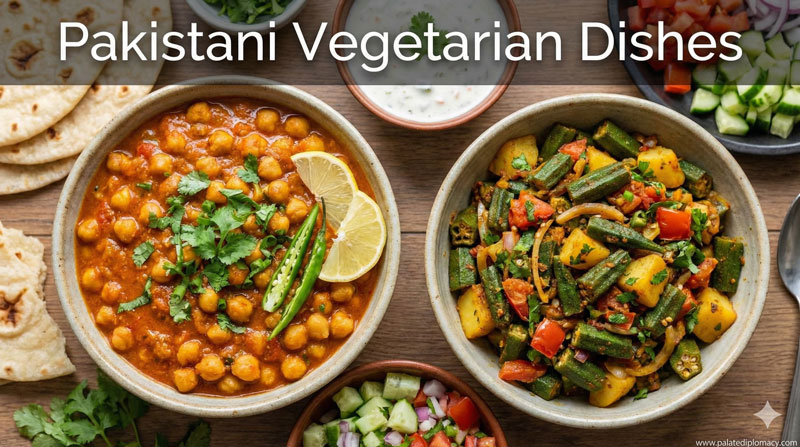
Locals often serve Daal Makhani in generous bowls with a dollop of butter on top. It looks inviting beside warm naan, roti, or steaming basmati rice. In a family setting, spoons glide from pot to plate, and conversations flow as freely as the flavors. The dish shines during festive meals, Sunday dinners, and relaxed gatherings with friends. The servingware can vary—clay bowls, metal dishes, or ceramic pots—but the spirit stays the same: a shared, comforting plate that invites conversation and gratitude. A squeeze of lemon or a few fresh herbs can brighten the finish, signaling care and attention to the guest.
Regional flavors and variations
Punjab holds a special place for Daal Makhani, where generous butter and a velvety mouthfeel are celebrated. In other northern regions, cooks adapt the spice balance to personal tastes, keeping the dish approachable yet memorable. Some kitchens emphasize a smoky note from slow roasting or a touch of cream for extra softness. Regardless of the variation, the core idea remains: a lentil-based curry that invites slow enjoyment and careful tasting. Local tweaks reflect family lineage, seasonal ingredients, and the simple joy of sharing a meal that feels intimate and familiar.
Pairings, accompaniments, and the overall experience
Bread is a faithful companion. Naan, tawa roti, or chapati helps scoop up the sauce and carry its richness to every bite. Steamed rice provides a neutral balance that lets the makhani character shine. A crisp onion salad, achar (pickle), or lemon wedges can brighten the plate. A cool yogurt drink or lassi offers a refreshing contrast to the warmth of the dish. Together, these accompaniments frame Daal Makhani as a complete experience, where every element supports the others in a respectful, celebratory way.
A simple guide to tasting like a local
First, warm the bread and the bowl together to awaken aromas. Next, take a small bite and notice the buttered, creamy texture. Then, inhale the fragrance of cumin and tomatoes as you scoop. Swirl a little sauce with bread to appreciate its balance of savory, tangy, and slightly sweet notes. Finally, share a portion with someone nearby, and enjoy the moment of communal eating. By tasting slowly and paying attention to texture and aroma, you join a local tradition that honors hospitality and mindful eating.
Conclusion: celebrating the dish and its place in food culture
Daal Makhani embodies warmth, generosity, and shared nourishment. Its cultural value lies in How It brings people together and how cooks honor time, technique, and quality ingredients. The dish invites curiosity and respect for tradition, while inviting everyone to participate in a beloved culinary ritual. By savoring it like a local, you tap into a living, everyday celebration of flavor, family, and the simple pleasure of a well-made meal.