
Introduction
Dabo Kolo is more than a snack in Ethiopia; it is a small, joyful thread woven into daily life. This bite-sized treat travels from the kitchen to the table with ease, carrying warmth, color, and culture. In this post, we celebrate its cultural value and culinary significance. We will explore how its simple ingredients become a shared tradition, how its texture and flavor tell a story, and how it fits into the rhythms of Ethiopian eating. The result is a dish that invites conversation, hospitality, and a sense of belonging.
What is Dabo Kolo?
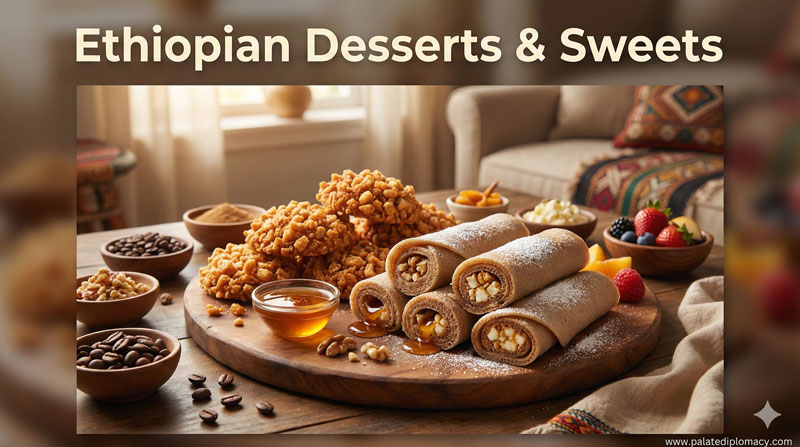
Dabo Kolo refers to tiny, round pieces of baked or fried dough that turn crisp and fragrant. The dough is usually made from flour, sugar, and a little fat, with spices like cardamom often added for fragrance. Some versions include sesame seeds, a light touch of salt, and a hint of sweetness that nudges the palate without overpowering it. The tiny rounds are arranged in clusters or stacks, inviting hands to reach in and share. The simplicity of the recipe allows bright flavors to shine, making Dabo Kolo a versatile companion to many beverages and meals. In essence, Dabo Kolo is a portable, everyday treat that carries the spirit of Ethiopian hospitality.
A Snack of Everyday Gatherings
Dabo Kolo lives at the crossroads of everyday life. It appears at breakfast alongside coffee or tea, in the mid-afternoon lull, and at family gatherings. Children nibble on it as a reward for small chores, while adults enjoy the crisp texture and warm aroma as a simple moment of pleasure. The snack travels easily, making It a popular choice for sharing with neighbors, friends, and visitors. In these moments, Dabo Kolo acts as a friendly bridge, inviting conversation and connection without hurry or ceremony. The dish becomes part of a ritual of welcome, a tiny ambassador of Ethiopian warmth.
Ingredients and Craft
The craft of Dabo Kolo centers on balance and technique. Bakers prepare a smooth dough, then roll, cut, and shape it into uniform rounds. The dough is either baked to a light, honeyed crisp or fried to a deeper, richer crunch. Spices like cardamom lift the aroma, while sesame seeds add a delicate nutty note and a satisfying crunch. The act of shaping the rounds is a quiet, repetitive art that families often share. In many kitchens, making Dabo Kolo becomes a small family project, a moment to teach younger cooks the rhythm of measuring, kneading, and timing. The result is not only a snack but also a tiny celebration of careful hands and patient process.
Texture, Flavor, and Experience
The charm of Dabo Kolo lies in its texture and balance. It offers a crisp bite that yields to a slightly chewy interior, with a gentle sweetness and a warm spice backdrop. The fragrance of cardamom mingles with the aroma of roasting dough, creating a sensory moment that signals comfort and welcome. The snack pairs beautifully with coffee, as its light sweetness cleanses the palate between sips. Each bite feels both familiar and special, a reminder that small, well-made foods can carry rich cultural meaning.
Dabo Kolo in Ethiopian Food Culture
in Ethiopian food culture, small pastries and snacks like Dabo Kolo are not mere accompaniments; they are voices in a larger conversation about sharing and care. The dish reflects a values-driven approach to cooking: simple ingredients, careful preparation, and generosity toward guests. Its presence in social settings—be it a family meal, a visit, or a quick bite during a busy day—highlights the emphasis on hospitality. Dabo Kolo stands beside coffee and tea as a beloved partner in rituals of warmth, attention, and community. Through its everyday accessibility, it communicates a sense of place and tradition, linking generations through a familiar, comforting flavor.
Serving Contexts and Traditions
Dabo Kolo shines in multiple contexts. Serve a plate of warm rounds with a pot of Ethiopian coffee or a steaming cup of tea. Place bowls of fresh fruit nearby to create a bright contrast in color and flavor. In gatherings, offer Dabo Kolo in small clusters so guests can easily sample and share. The tradition supports a relaxed atmosphere where conversation flows freely, and everyone feels welcome. The dish’s portability also makes it a favorite for picnics, market strolls, and casual visits, reinforcing its role as a practical yet affectionate treat.
Healthful Qualities and Craft Values
Though small, Dabo Kolo embodies care in its preparation. When baked, it can be lighter and less oily, aligning with mindful snacking. The use of fragrant spices adds depth with modest quantities, letting the natural flavors of the dough show through. The result is a snack that feels celebratory without being indulgent, inviting mindful enjoyment. Beyond taste, the craft of making Dabo Kolo—measuring, shaping, timing—teaches patience and appreciation for well-made food. It is a gentle reminder that value in cuisine often comes from attention to detail and shared effort.
Conclusion
Dabo Kolo is a cherished thread in the tapestry of Ethiopian cooking. Its crisp texture, gentle sweetness, and inviting aroma make it a beloved companion to daily life, ceremonies, and moments of hospitality. By honoring its cultural value and culinary significance, we celebrate how a simple bite can carry memory, warmth, and community. Dabo Kolo invites us to slow down, to share, and to savor the beauty of food that brings people together.